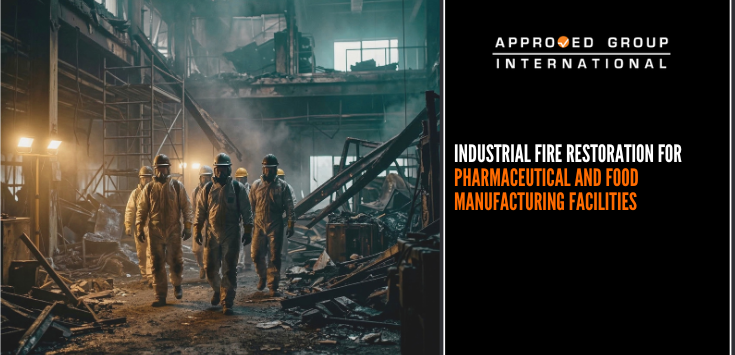
When a fire occurs inside a pharmaceutical or food manufacturing facility, the visible damage often represents only a small part of the overall problem.
Smoke particles, soot, contaminated fire extinguishment water, odours, and corrosive combustion residues can spread throughout the facility. These contaminants frequently travel far beyond the original fire zone, affecting ventilation systems, production equipment, electrical systems, and clean manufacturing environments.
In high-hygiene industries, this contamination can compromise product safety, equipment reliability, and regulatory compliance.
Industrial fire recovery in pharmaceutical and food facilities therefore requires more than traditional structural restoration. It requires controlled contamination management and specialised decontamination methods to restore the facility safely.
Why Fire Incidents Are High-Risk for Clean Manufacturing
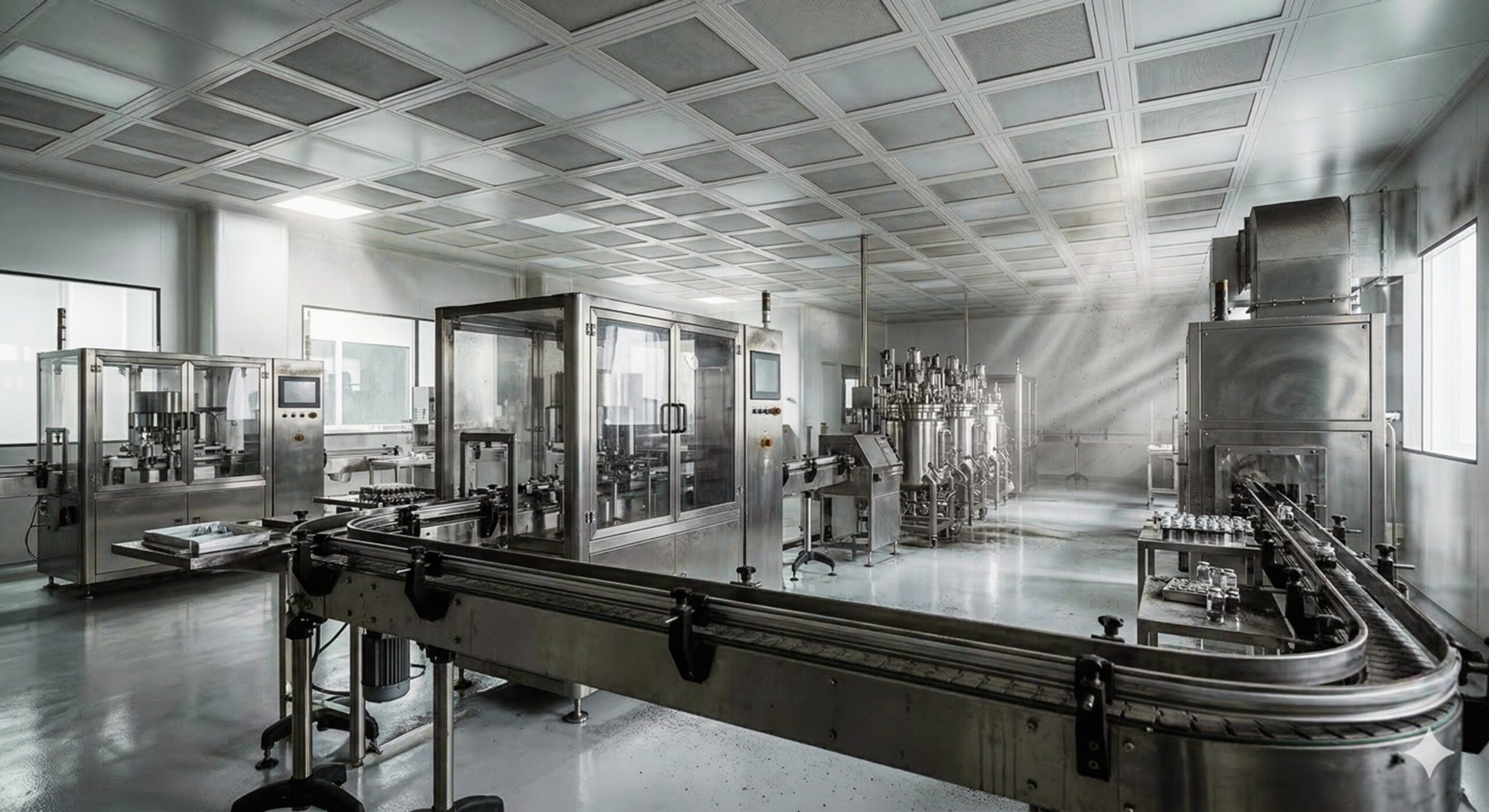
After a fire event, contamination spreads rapidly through a facility. Even areas that appear unaffected may contain invisible contamination that can disrupt manufacturing processes.
Some of the most common hidden risks include:
- Microscopic soot infiltrating cleanroom equipment
- Fire suppression water contaminating sterile zones
- Acidic combustion residues causing corrosion on metal and electronics
- Smoke particles entering HVAC systems and production lines
- Cross-contamination of product contact surfaces
- Persistent odour contamination throughout the facility
In pharmaceutical and food plants, contamination control is often more critical than repairing structural fire damage.
Even small amounts of residue can interfere with sensitive electronics, automated production equipment, or hygienic production environments.
Where Contamination Travels After a Fire
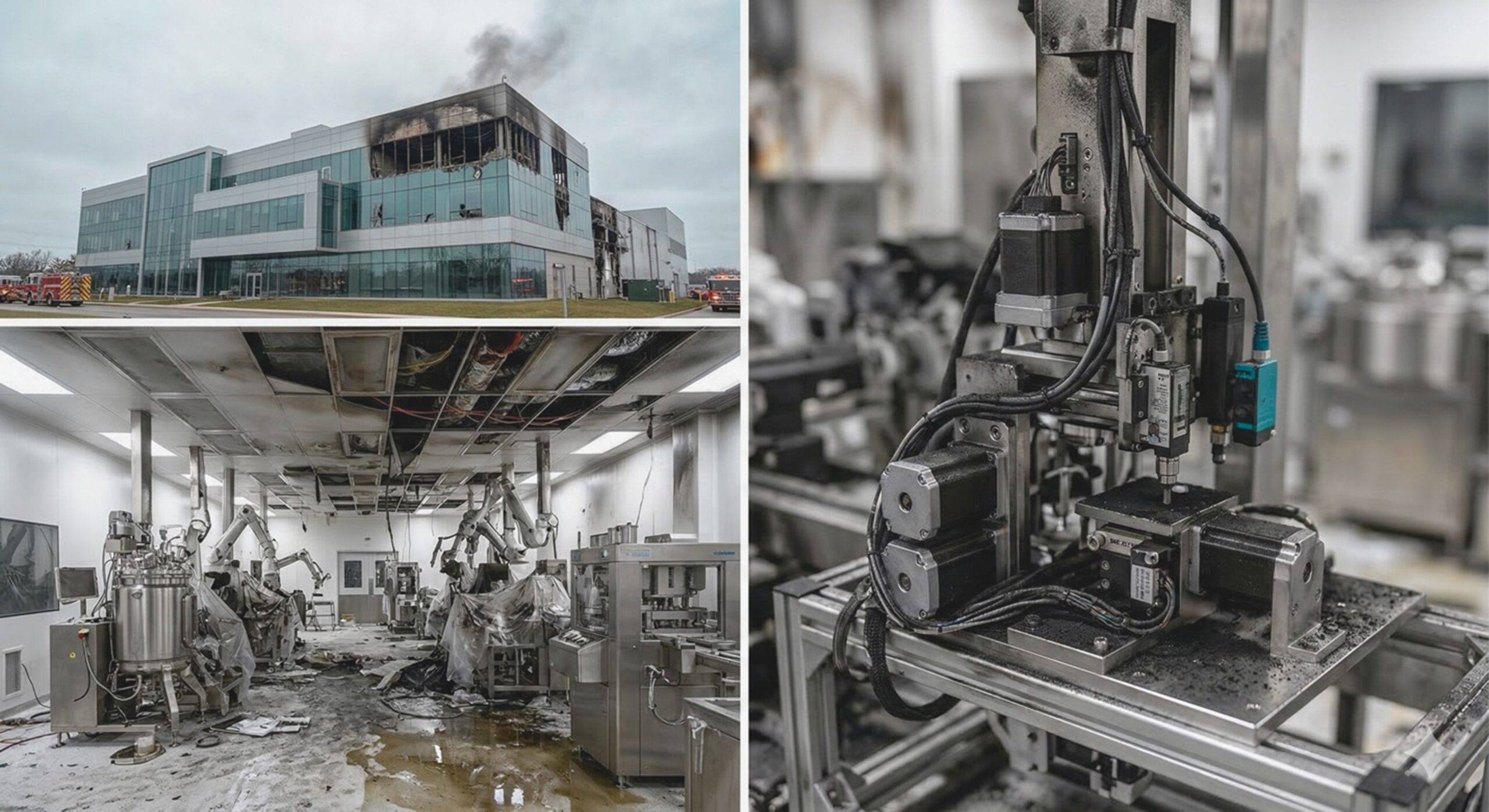
One of the biggest challenges following an industrial fire is how quickly contamination spreads.
Smoke particles and soot residues can travel through multiple pathways across a facility.
Typical contamination pathways include:
- HVAC systems and air handling units
- Electrical panels and control cabinets
- Production lines and conveyors
- Ceiling cavities and insulation materials
- Cleanroom filtration systems
Many soot particles are extremely small. In some cases they can be smaller than 2.5 microns, allowing them to penetrate sensitive electronics layers and sterile manufacturing environments.
Because these particles are often invisible, contamination may not be immediately apparent until equipment failures or hygiene issues begin to appear.
Why the First 24–72 Hours Are Critical
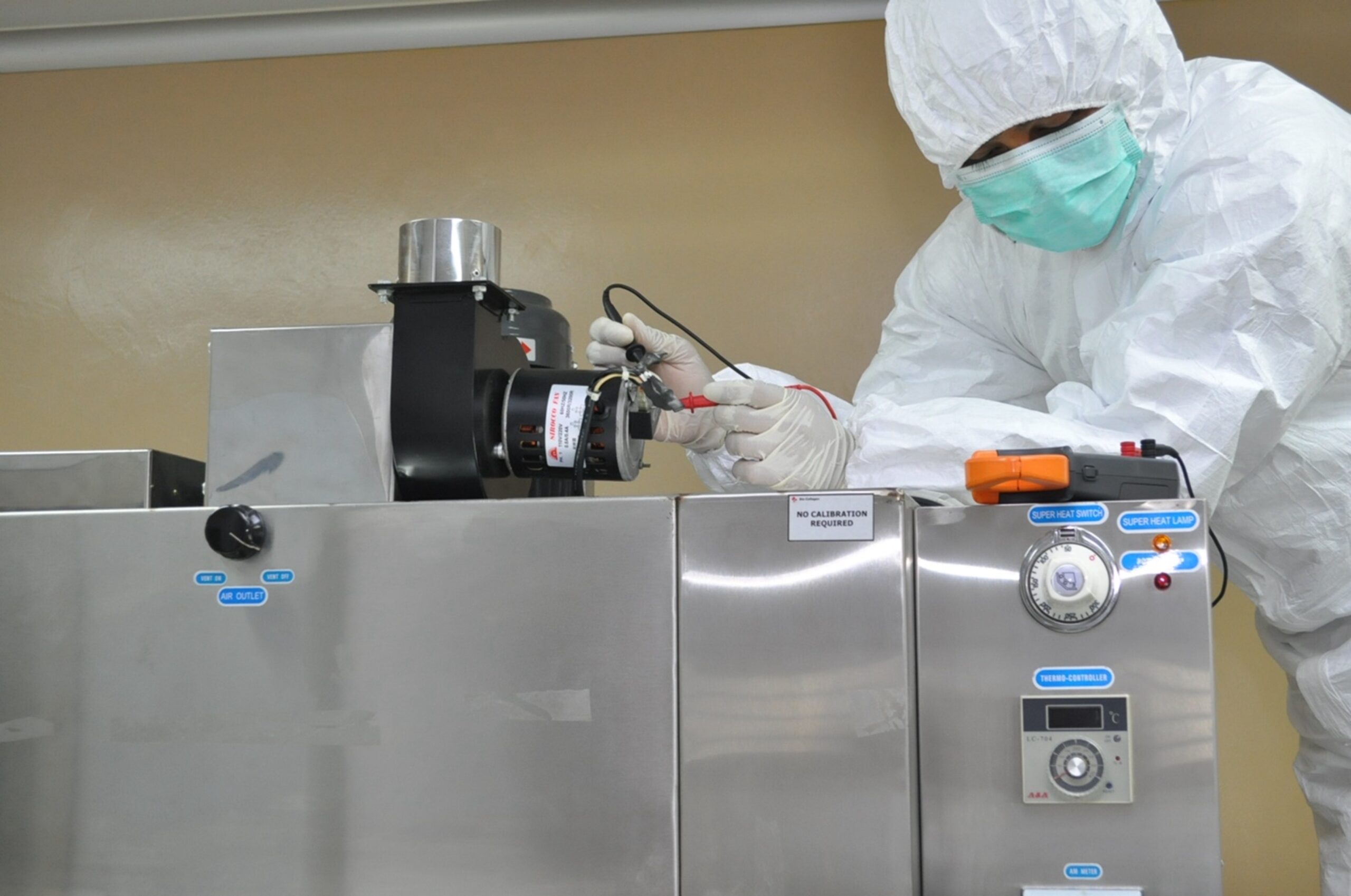
The period immediately after a fire incident often determines whether equipment can be restored or must be replaced.
Without early stabilisation measures:
- Corrosion begins on exposed metal surfaces and electronics
- Soot residues become increasingly difficult to remove
- Water exposure can create conditions for microbial growth
- Contamination continues to spread through ventilation systems and ducting
Humidity and acidic residues accelerate the deterioration of equipment and electrical components.
Early intervention can significantly reduce restoration costs and production downtime while improving the chances of recovering critical manufacturing equipment.
Controlled Restoration for High-Hygiene Facilities
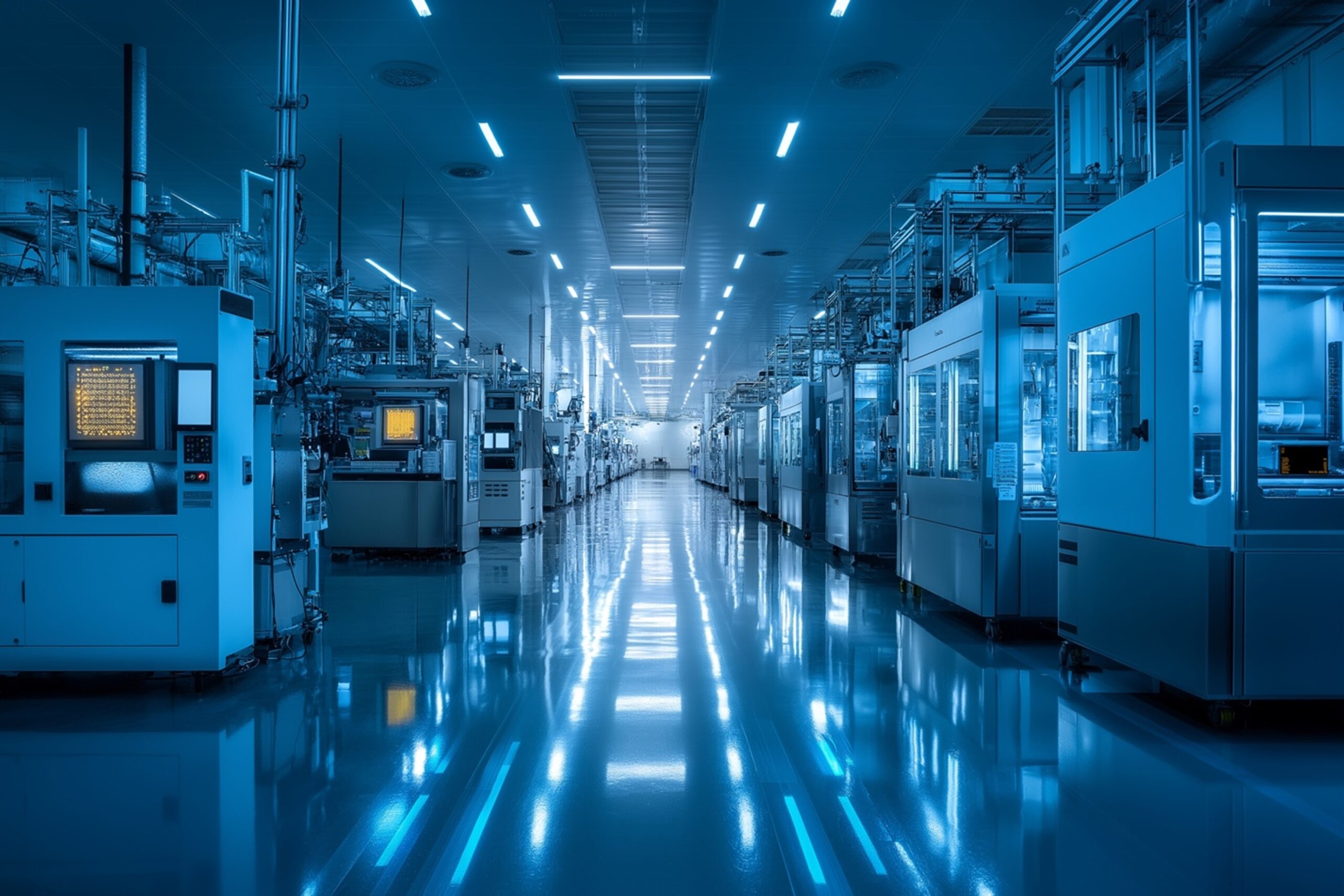
Industrial fire recovery in pharmaceutical and food manufacturing environments typically follows a structured restoration process designed to control contamination.
Key stages often include:
This process protects both equipment integrity and product safety.
Advanced Decontamination Techniques
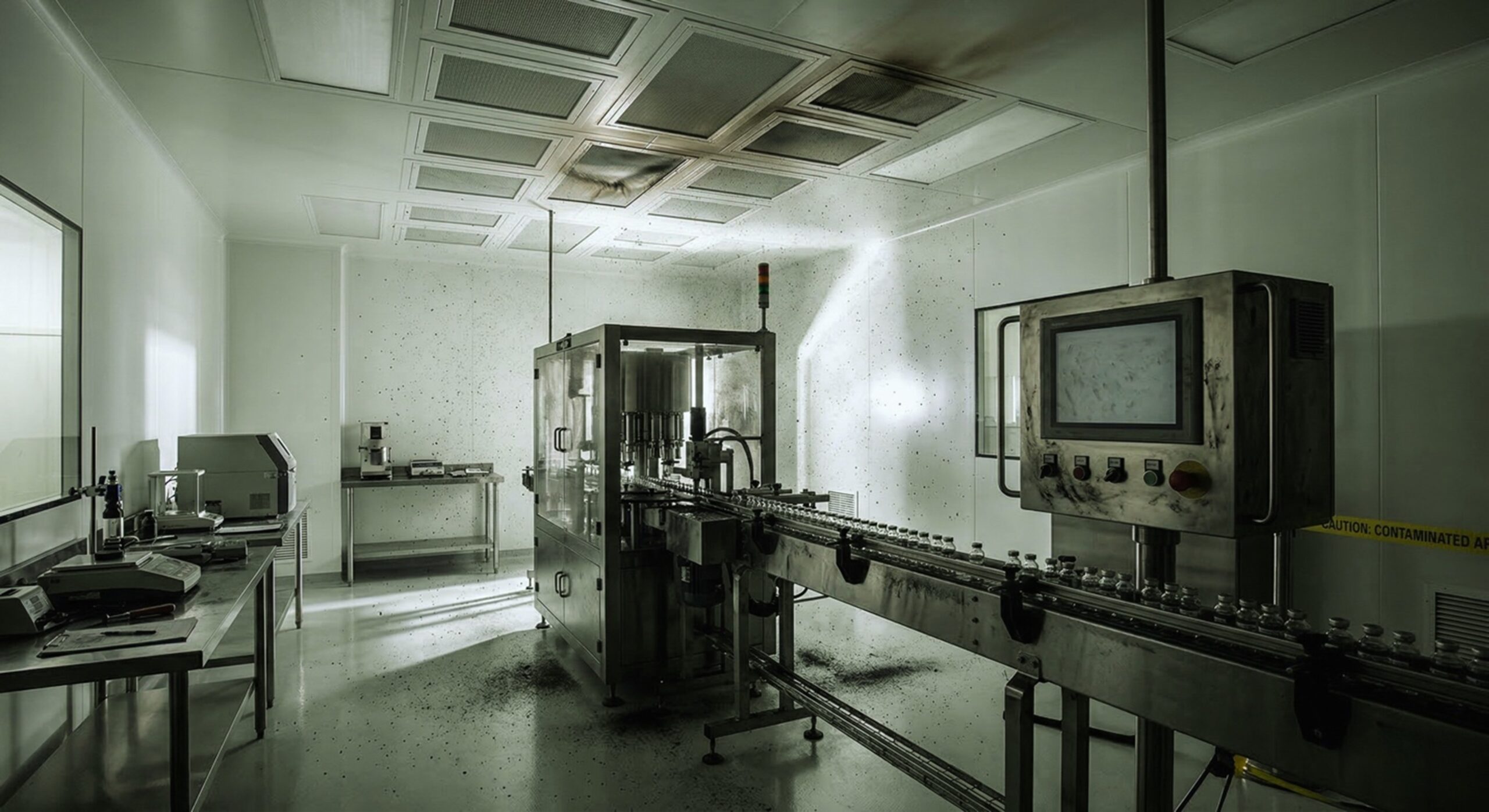
Industrial restoration specialists use a range of specialised cleaning technologies depending on the contamination level and the sensitivity of the equipment involved.
Common decontamination techniques include:
- HEPA vacuum soot removal
- Ultrasonic cleaning for precision component decontamination
- Precision surface decontamination methods
- UV-C microbial control treatments
- ULV misting or fogging disinfection
- Thermal fogging for odour control
- Dry-ice or controlled media blasting for delicate surfaces
Each technique is selected based on surface type, contamination severity, and hygiene requirements.
The objective is always to restore the facility without introducing additional contamination risks.
Environmental Verification Before Production Resumes
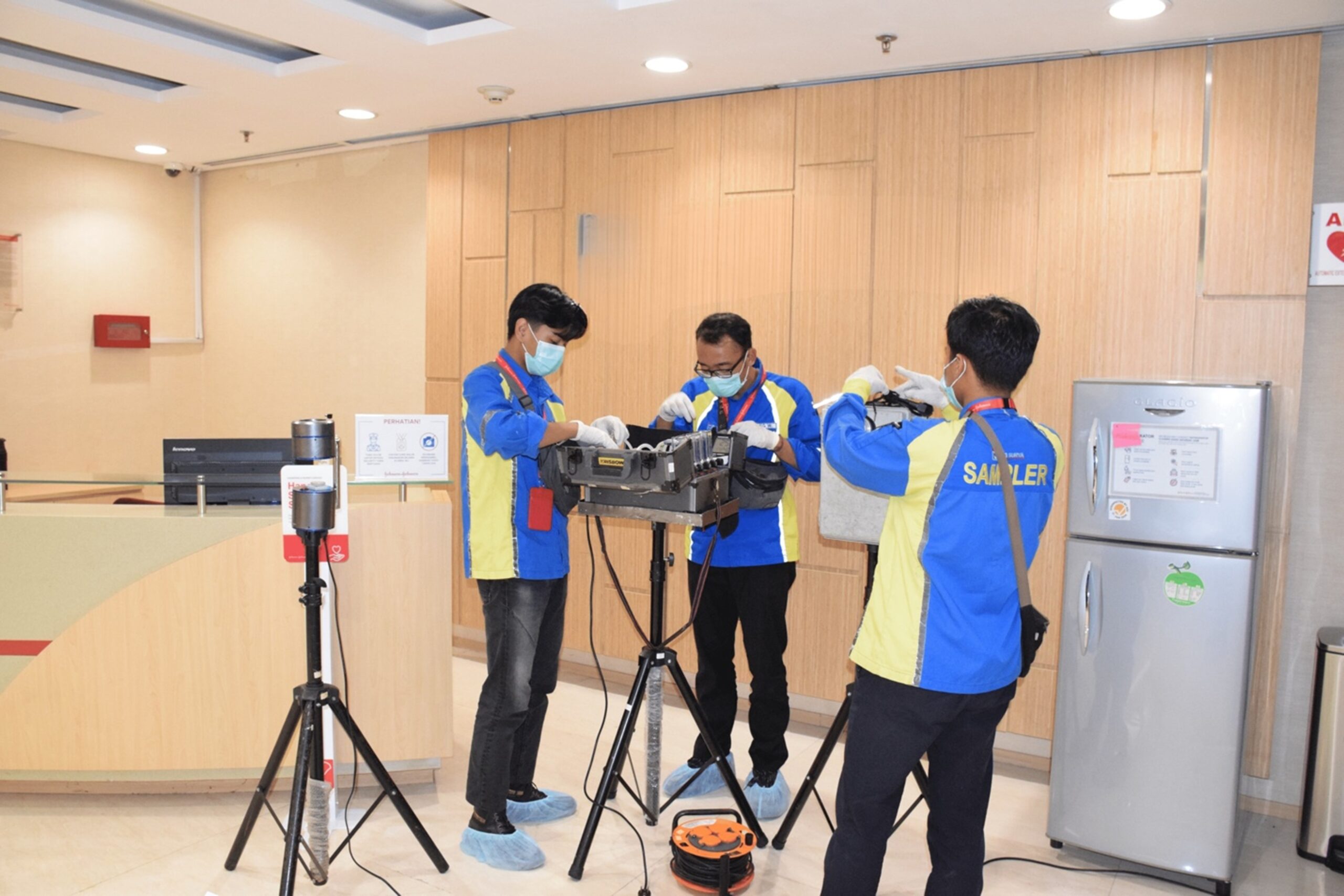
Before manufacturing operations restart, environmental verification is essential.
Testing confirms that contamination has been removed and that the environment meets the required hygiene and air quality standards.
Typical verification procedures include:
- Indoor Air Quality (IAQ) testing
- Particulate concentration measurements
- Microbial surface testing
- Residue contamination analysis
- HVAC system inspection and filtration verification
Environmental verification in pharmaceutical and food manufacturing facilities may reference internationally recognised standards such as:
- ISO 14644 – Cleanroom air quality classification
- WHO GMP / EU GMP guidelines – Pharmaceutical manufacturing hygiene
- ASHRAE indoor air quality standards – Ventilation and air quality performance
- IICRC fire and smoke restoration guidelines – Professional restoration practices
These frameworks help ensure that facilities can safely return to production following a fire incident.
Conclusion
Fire incidents in pharmaceutical and food manufacturing facilities create risks that extend far beyond the visible burn damage.
Smoke particles, soot contamination, and corrosive residues can spread throughout production areas and sensitive equipment, often affecting operations long after the fire has been extinguished.
Effective industrial fire recovery therefore requires early stabilisation, controlled decontamination, and careful environmental verification before manufacturing resumes. For high-hygiene industries, managing contamination risks is essential to restoring both equipment reliability and regulatory compliance.
FAQ
What damage can smoke and soot cause in pharmaceutical factories?
Smoke and soot can contaminate cleanroom equipment, penetrate electronics, corrode metal surfaces, and introduce contamination risks into sterile manufacturing environments.
Why is fire damage more complex in pharmaceutical and food plants?
These facilities operate under strict hygiene and regulatory requirements. Even microscopic contamination can affect product safety, equipment reliability, and compliance with manufacturing standards.
How does soot spread after an industrial fire?
Soot particles can travel through HVAC systems, electrical panels, production lines, ceiling cavities, and cleanroom filtration systems, often affecting areas far from the original fire.
Why is the first 72 hours after a fire important?
Early stabilisation prevents corrosion, reduces contamination spread, and increases the likelihood that equipment and infrastructure can be restored rather than replaced.
How are pharmaceutical facilities tested before restarting production after a fire?
Environmental verification may include air quality testing, particulate measurements, microbial testing, residue analysis, and HVAC system inspections to confirm contamination has been removed.