
Approved Group International
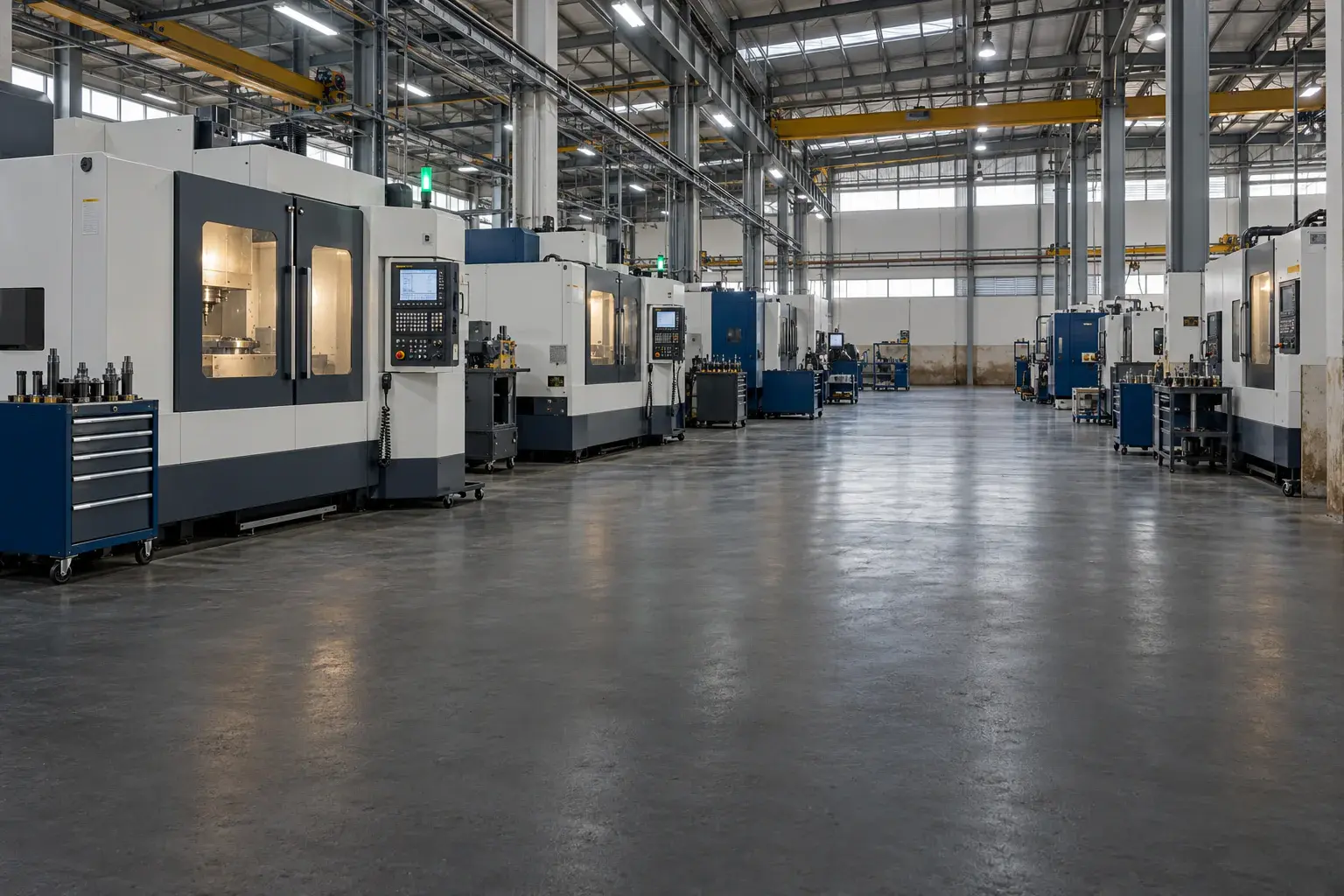
CNC machining hall cleaned and ready to restart after flood restoration

Disaster Restoration

Plant and Machinery Restoration

Plant and machinery restoration returns production lines, rotating equipment, CNC and process machinery to service after fire, flood or contamination, once damage assessment has set the scope and the evidence that needs securing has been identified.

Plant and machinery restoration services for production equipment, switchgear, motors and control systems, where examination and testing support returning an asset to duty instead of replacing it.

When to call

  • A production line has stopped, and every day it stays down has a cost attached to it.
  • Machinery has been exposed to flood or fire, and it is not yet clear what should be stripped, cleaned or scrapped.
  • A contractor or a supplier disputes responsibility for the damage, and the operator needs an independent technical account of the equipment's…
  • Rotating equipment needs alignment and vibration baselines re-established before it can safely run at speed again.
  • A board wants to know whether a sister line carries the same exposure.

What you receive

  • AGI may be instructed by any party responsible for damaged plant or machinery.
  • Work generally produces a preliminary stabilisation and scope report, issued once the initial site assessment is complete, followed by a full…

What Is Plant and Machinery Restoration?

It is the technical process of stabilising, decontaminating and recommissioning production lines, rotating equipment, CNC and process machinery after a loss, to a condition that functional testing and alignment measurement, not appearance, can support. It is not the investigation that established why a machine failed. Mechanical and materials failure investigation asks why; restoration begins once the relevant evidence has been documented, secured or formally released for work, and asks what can now be recovered and how.

Damage assessment sets the scope beforehand: what is damaged, what a repair or reconditioning should cover, and what has to be replaced outright. Restoration carries that scope through stabilisation, cleaning, mechanical rebuild and a tested, commissioned result, usually working directly with the equipment manufacturer where drive systems, controllers or safety devices are involved.
How We Restore

  1. Stabilisation. Corrosion, moisture and any ongoing mechanical damage are arrested first, before the full scope of restoration is even known.

  2. Corrosion control. Surfaces, castings and exposed metalwork are treated to stop further deterioration while cleaning and assessment continue.

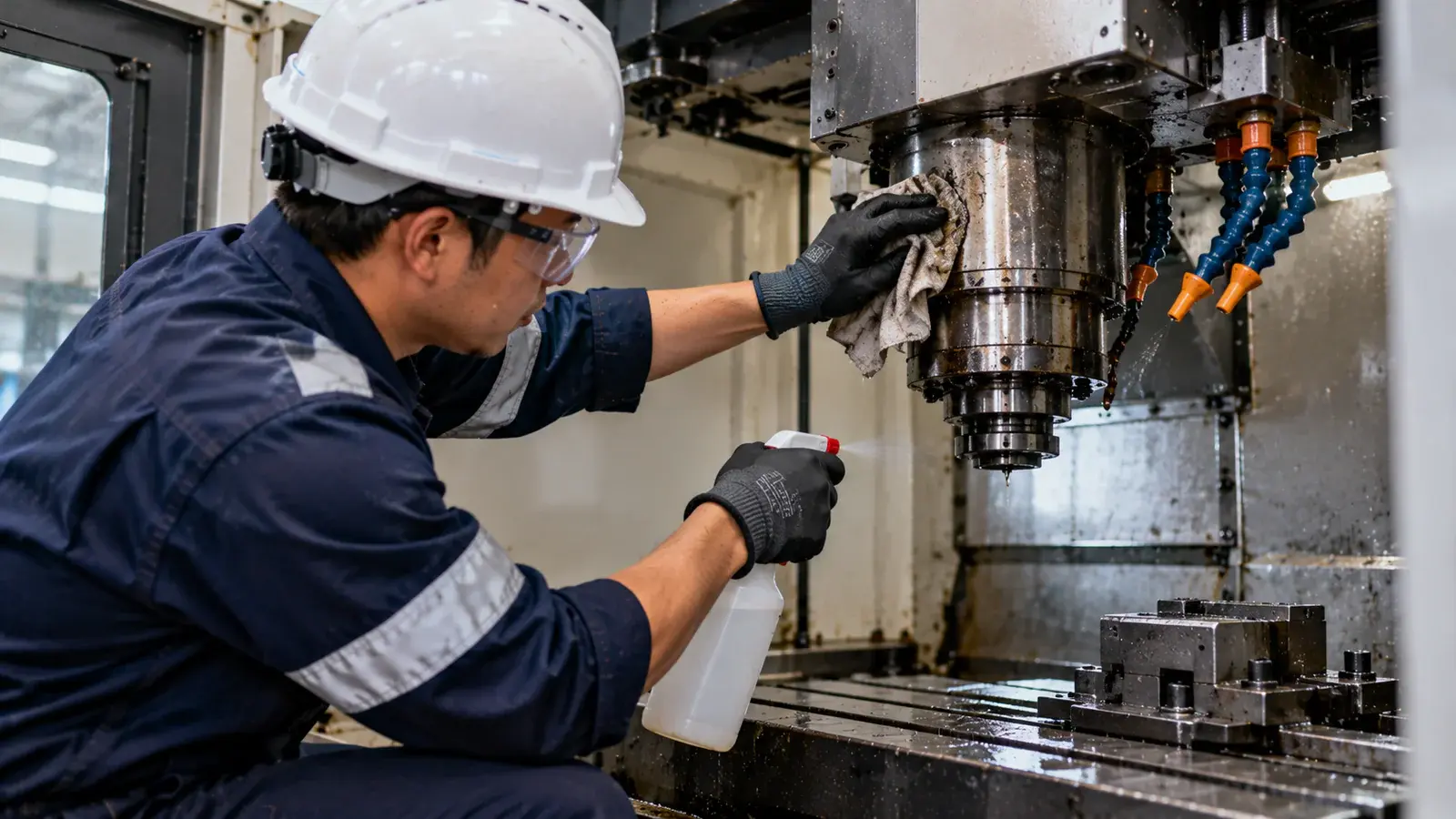
  3. Decontamination. Soot, floodwater residue and process contamination are removed from the machine and its enclosures, using methods suited to the equipment class.

  4. Lubrication and drive systems. Bearings, gearboxes, seals and lubrication circuits are inspected, cleaned or replaced, since contaminated lubrication is a common secondary cause of failure after the initial event.

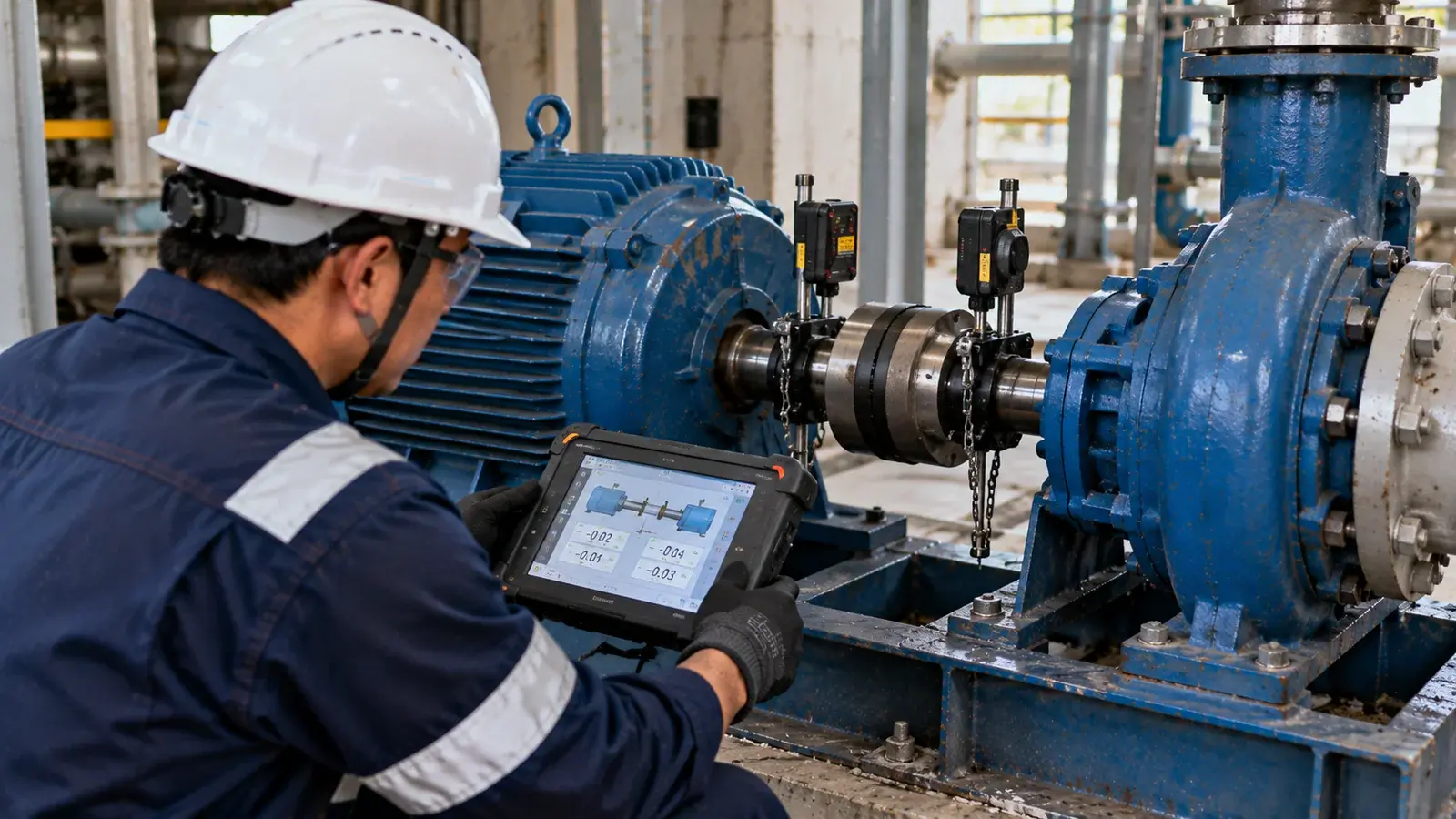
  5. Alignment. Shafts, couplings and drive trains are realigned to the machine's specified tolerances and verified by measurement, not by running the machine and listening for problems.

  6. Functional recommissioning. The machine is brought back into service in stages, with each stage tested before the next begins, sequenced against the damage assessment's scope and any manufacturer return-to-service requirement.

AGI technician cleaning contamination from a CNC machine spindle housing
Plate 01AGI technician cleaning contamination from a CNC machine spindle housing

What We Restore

Production lines. Assembly, packaging and process lines in automotive, electronics, food and general manufacturing, where restoration sequencing usually has to match the line's own commissioning order rather than run item by item.

Rotating equipment. Motors, pumps, fans, compressors and the shafts, bearings and couplings connecting them, where alignment and vibration verification decide whether the equipment is safe to run.

CNC and machine tools. Machining centres, presses and other precision equipment, where contamination inside slideways, spindles and control cabinets can defeat accuracy long after the machine appears to run normally.

Process machinery. Extruders, mixers, kilns, furnaces and packaging equipment, restored in sequence with the electrical and instrumentation systems that control them.

What Decides These Cases

How quickly stabilisation began. Corrosion and secondary mechanical damage progress from the moment a machine is exposed. They do not wait for a decision to restore. The interval between the event and stabilisation is usually the largest single factor in what remains restorable.

Whether alignment and vibration readings meet the machine's own tolerances. A rebuilt drive train either meets the manufacturer's specification or it does not, and running a machine outside that tolerance creates a new failure risk rather than resolving the original one.

What lubrication and contamination analysis shows inside bearings and gearboxes. Damage that looks confined to the exterior of a machine can extend into sealed drive components, and the restoration scope is set by what that analysis finds, not by the machine's outward condition.

Some equipment is not restored. Corrosion can progress too far. A component can fail functional testing or the manufacturer's own criteria. Where that happens, the finding is reported directly, and the scope moves to replacement.

AGI engineer taking laser alignment readings on a motor and pump coupling
Plate 02AGI engineer taking laser alignment readings on a motor and pump coupling

Common questions

About plant and machinery restoration

The questions that come up before an instruction, answered plainly.

24/7 response

Protect the evidence first

Restrict access, change nothing, and call. Most of what decides a case is still on site in the first few days.

Emergency line open at all hours, across every office.