
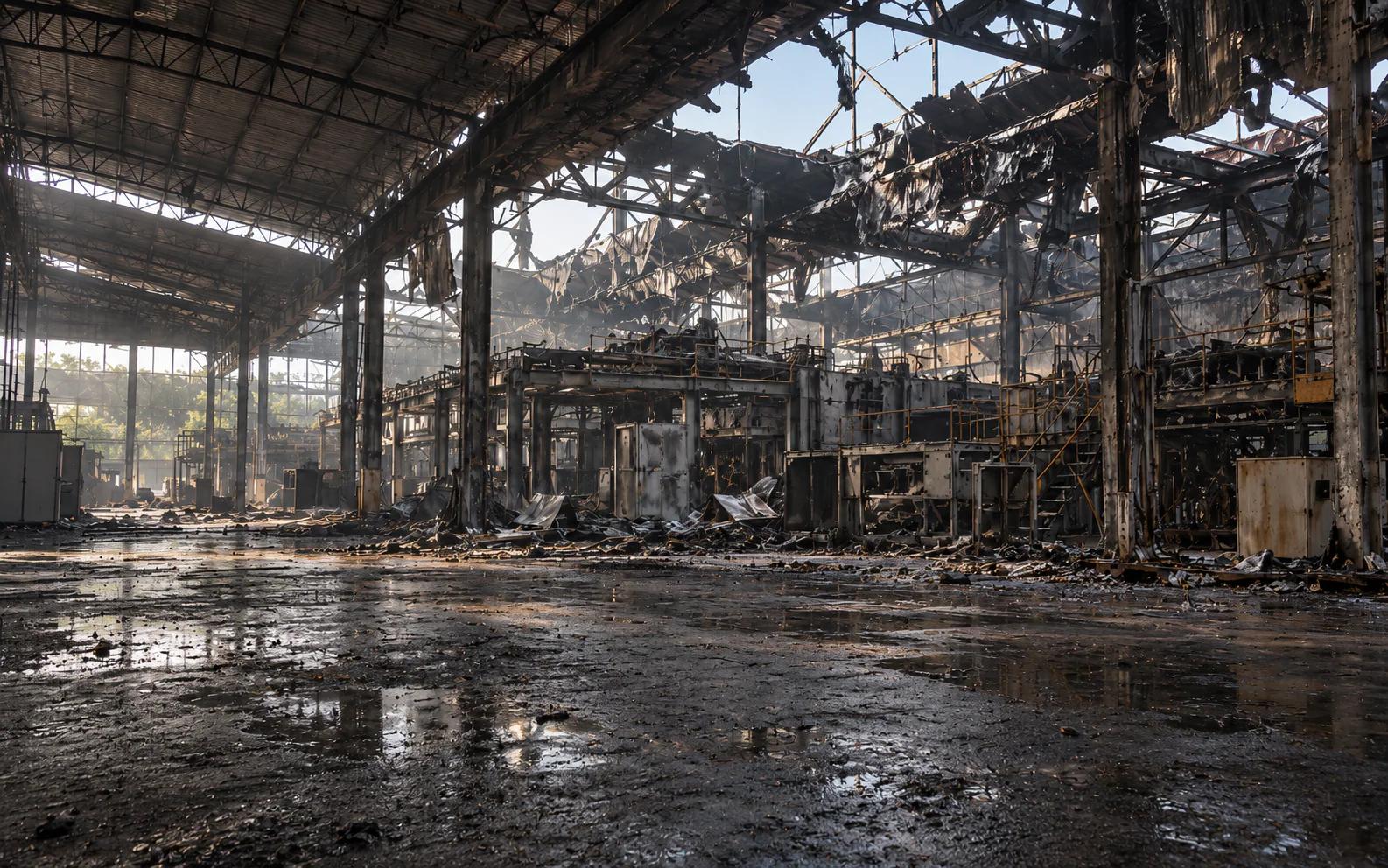
Forensic · Assessment · Restoration · Risk
Science that explains failure, restores assets and reduces risk
Investigating fire, failure and loss across Asia since 1986, and restoring what can still be saved. One team, from the first site visit to the expert witness box.
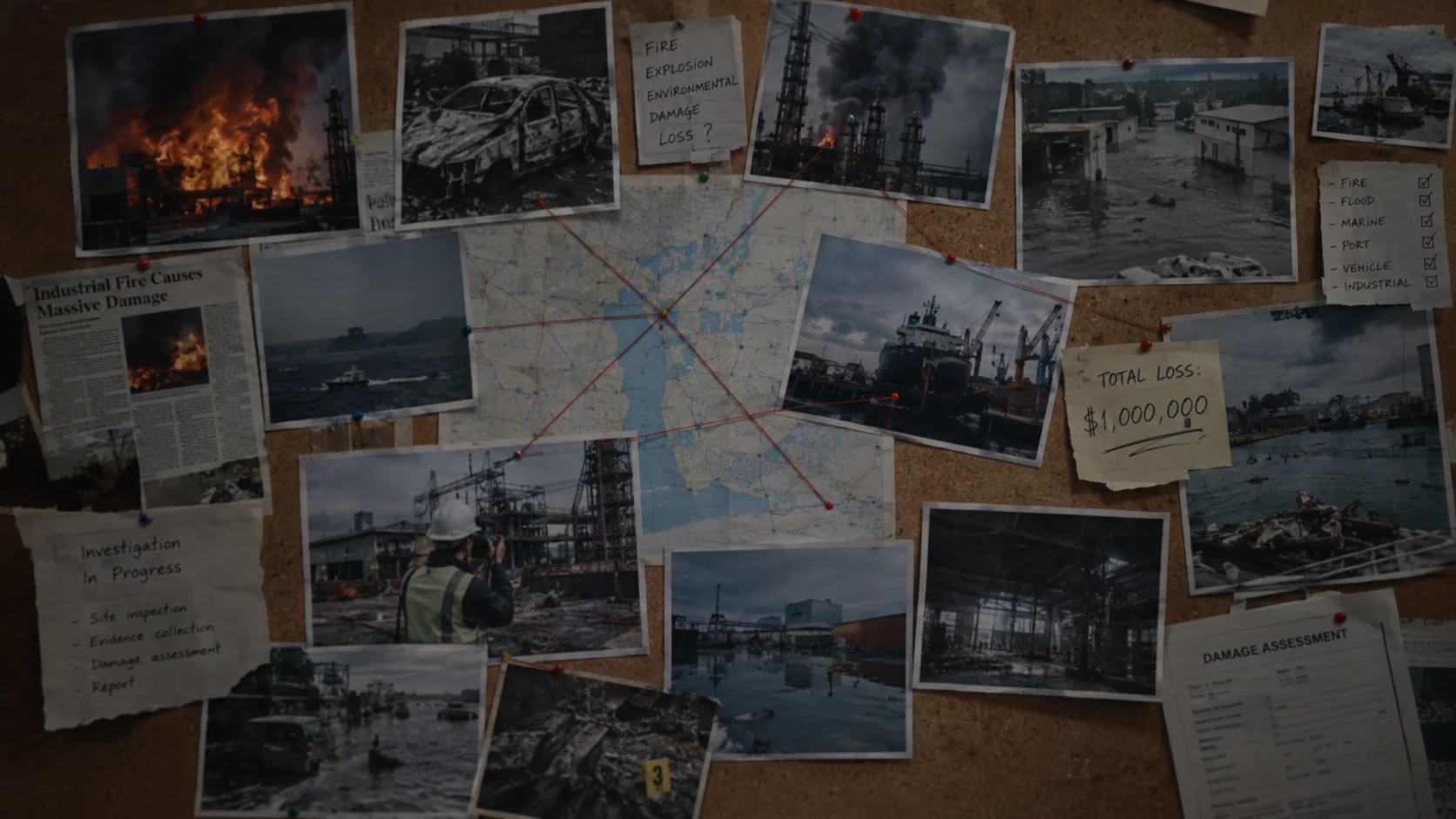
Tell us what happened. We will tell you what to do next.
Open the full guideSomething has failed or been damaged
Something has to be tested or argued
Something has to be put back
Nothing has happened yet
Explore our Services
Four practices that work as one team, so a single loss does not need four suppliers.
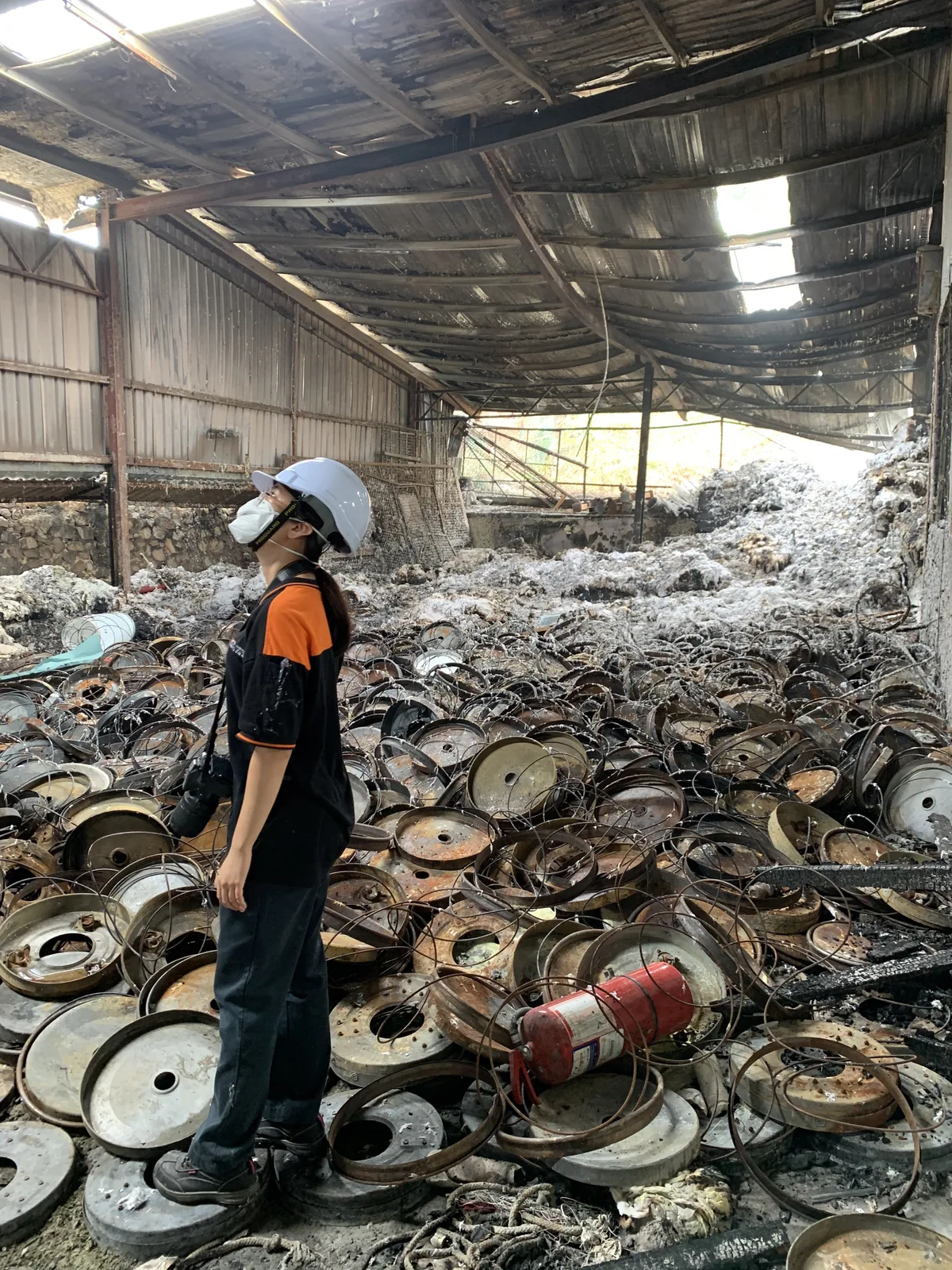
Forensic Investigation
ExploreEstablishing the cause of fire, failure and loss to evidential standard.
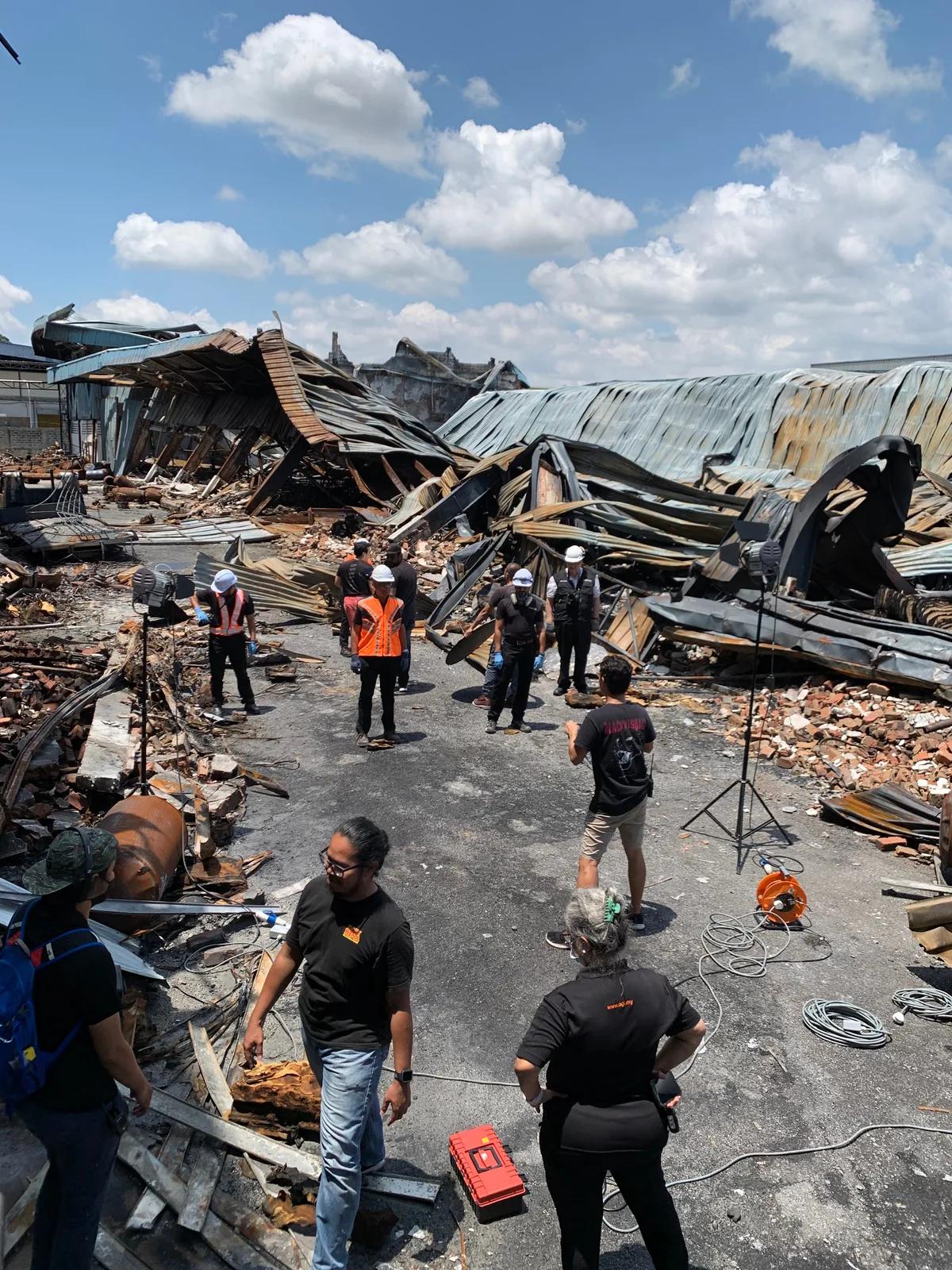
Damage Assessment
ExploreQuantifying loss, and inspecting plant, lifts and escalators after an incident.
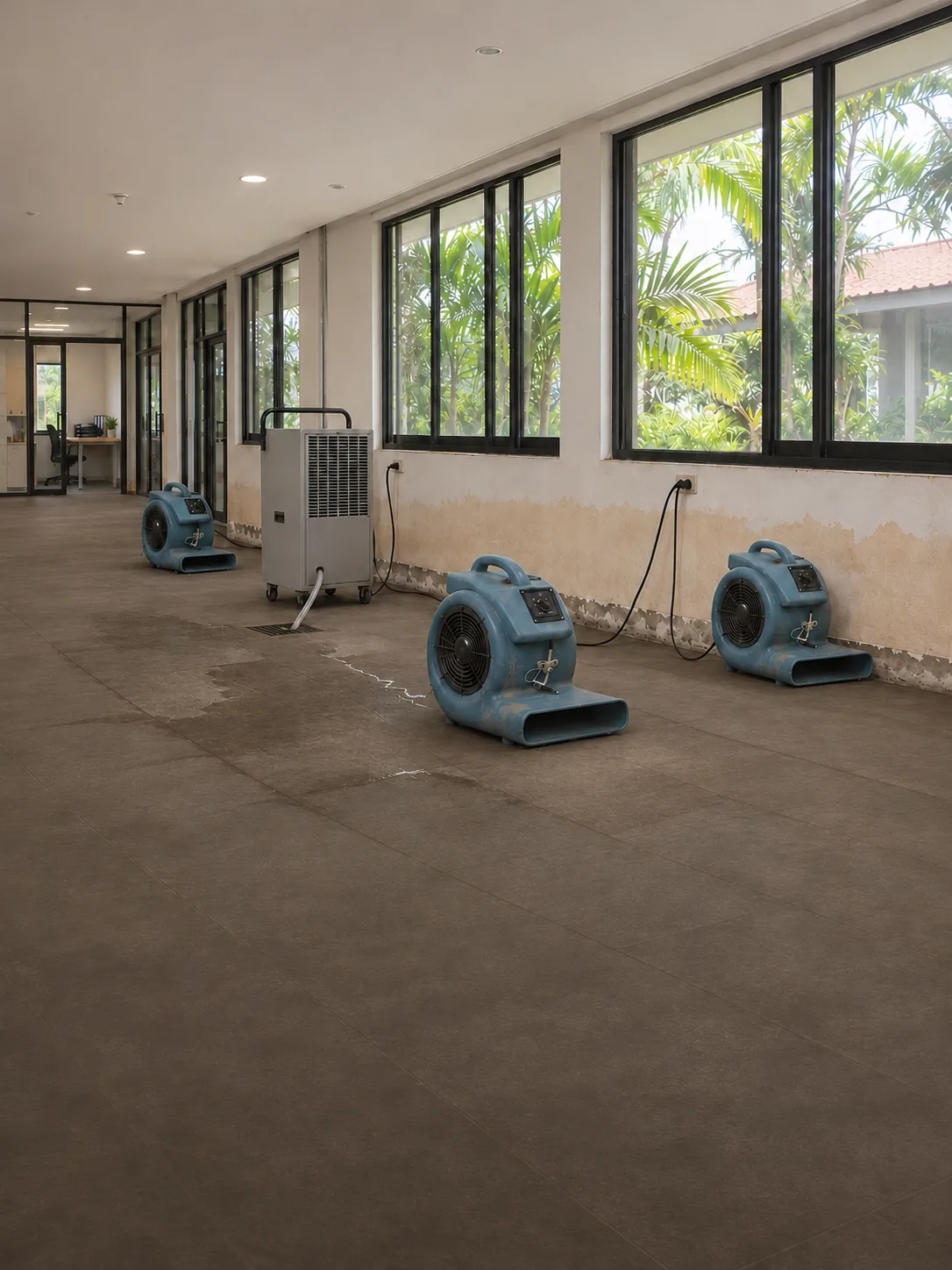
Disaster Restoration
ExploreStabilising the site and recovering property, plant and documents.
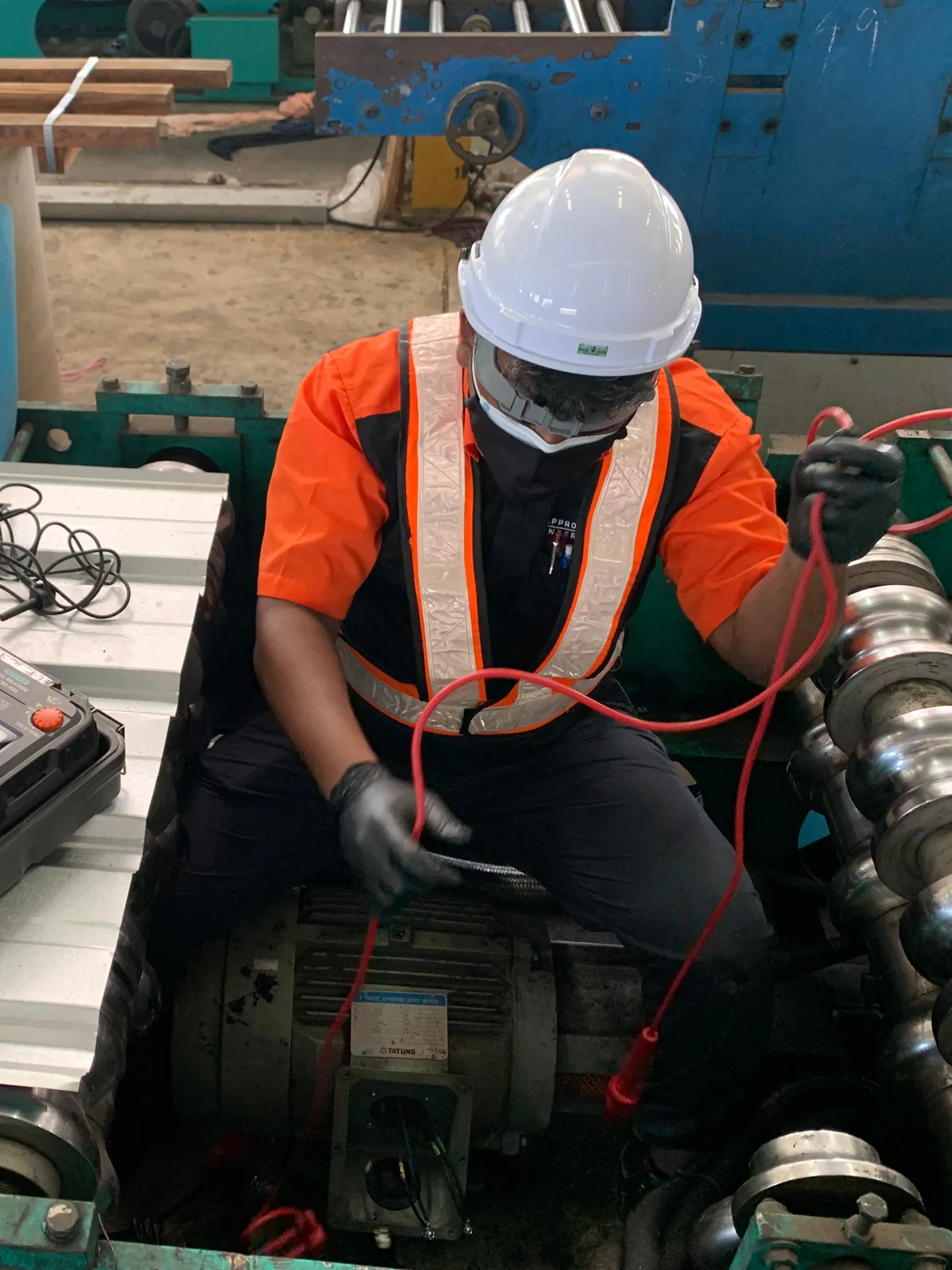
Risk Assessment
ExploreFinding what is likely to fail, before it does.
Forensic Investigation
ExploreEstablishing the cause of fire, failure and loss to evidential standard.
Damage Assessment
ExploreQuantifying loss, and inspecting plant, lifts and escalators after an incident.
Disaster Restoration
ExploreStabilising the site and recovering property, plant and documents.
Risk Assessment
ExploreFinding what is likely to fail, before it does.
1 / 4Swipe to explore
- Forensic Engineering
- Mechanical and Materials Failure
- Electrical Failure Investigation
- Electronic Failure Investigation
- Structural Failure Investigation
- Civil Failure Investigation
- Geotechnical Failure Investigation
- Marine Cargo Damage Investigation
- Marine Hull and Machinery Failure
- Fire and Explosion Investigation
- Fire Origin and Cause Investigation
- Vehicle Fire Investigation
- Explosion Investigation
- Digital Forensic Investigation
- Forensic Document Examination
- Lightning Damage Investigation
- Vehicle Accident Investigation
- Expert Witness and Litigation Support
- Plant and Machinery Damage Assessment
- Lift and Escalator Damage Assessment
- Technical Inspection
- Emergency Response and Stabilisation
- Property Restoration
- Content Restoration
- Electrical Restoration
- Electronic Restoration
- Plant and Machinery Restoration
- Document and Media Restoration
- Mould Remediation
- Electrical Risk Assessment
- Machinery Risk Assessment
- Fire Risk Assessment
- Restoration Projects Completed
- 11,500
- Forensic Cases Solved
- 8,500
- Property and Machinery Restored
- USD1.2B
- Satisfied Clients
- 99%
- Countries Served
- 27
Founded in 1986 and working across Asia. Our investigators hold CFEI from NAFI and FIT from IAAI.
Global Coverage with Local Approach
Offices in six countries and AGI Partners beyond them. Select a territory to see the office or partner that serves it.
- AGI office
- Countries served
- AGI Partner
Who We Work With
Any party to a loss may instruct us, and the finding is the same whoever does.
Approved Group InternationalInsurers and Reinsurers
How we help
We establish cause and assess damage as two separate questions, so a reserve can rest on one and the coverage position on the other. Every plausible explanation is tested and eliminated on the record rather than passed over, and the finding does not move with the party who pays for it. Before a policy is written or renewed, the same engineers describe exposure in terms an underwriter can price.
- ◆Origin and cause, with the alternatives eliminated on the record
- ◆Damage assessed separately from cause
- ◆Risk and condition reports written for underwriting
Where an instruction usually starts
Who We Work WithFile I of VII
◆File I
Insurers and Reinsurers
Claims, underwriting and reinsurance teams, takaful operators and captives.
What you are asking
“Is this loss what it is said to be, what caused it, and what is the damage separate from the cause?”
Insurers and reinsurers carry the financial consequence of a loss. The people inside them who instruct us sit in claims, in underwriting and in reinsurance, and takaful operators and captive insurers ask the same questions in their own structures. On a complex industrial or commercial loss, the claims decision rests on facts the policy cannot supply on its own: what happened, why it happened, and what was actually damaged.
Approved Group InternationalInsurers and Reinsurers
How we help
We establish cause and assess damage as two separate questions, so a reserve can rest on one and the coverage position on the other. Every plausible explanation is tested and eliminated on the record rather than passed over, and the finding does not move with the party who pays for it. Before a policy is written or renewed, the same engineers describe exposure in terms an underwriter can price.
- ◆Origin and cause, with the alternatives eliminated on the record
- ◆Damage assessed separately from cause
- ◆Risk and condition reports written for underwriting
Where an instruction usually starts
Who We Work WithFile II of VII
◆File II
Loss Adjusters and Surveyors
Loss adjusters, and the licensed surveyors and loss assessors who fill that role in some markets.
What you are asking
“Can I get an engineer to the scene before it changes, and will the finding hold when the file is challenged?”
Loss adjusters investigate and report on a claim for the insurer, and in some markets the same work is done by licensed surveyors and loss assessors. They are often first on site and they carry the file from first notification to settlement. When the cause is technical, or the damage sits in plant, electronics or structure, they need an engineer beside them who can see what they cannot.
Approved Group InternationalLoss Adjusters and Surveyors
How we help
We attend early, often on the same visit, and take custody of the electrical items, debris and samples that a disputed claim later turns on. Our reports set out which explanations were ruled out and how, keep cause and damage apart, and separate what can be restored from what has to be replaced, with the testing behind each call. Because investigation, assessment and restoration sit in one firm, releasing a site and starting recovery is one conversation, not three suppliers.
- ◆Attendance before the scene changes
- ◆Custody of the evidence, and the alternatives ruled out on the record
- ◆Restorable against write-off schedules with the testing behind them
Where an instruction usually starts
Who We Work WithFile III of VII
◆File III
Brokers and Risk Advisers
Insurance brokers, claims consultants and risk advisers acting for the insured.
What you are asking
“How do I get my client's claim onto defensible technical ground, and what do I tell them to do today?”
Brokers and risk advisers act for the insured. When a loss happens they are usually the first call the client makes, and the person who has to tell them what to do before the insurer arrives. Before a loss, they present the client's risk to the market and argue for the terms it deserves. Claims consultants who act for the insured on a disputed claim sit here too.
Approved Group InternationalBrokers and Risk Advisers
How we help
A broker or the insured can appoint us directly. The method and the findings are the same whoever instructs, which is what makes them worth tabling. Your client gets an independent account of what happened and what can be saved, early advice that keeps the claim from waiting on guesswork, and, before renewal, a risk assessment they own and can share with the market.
- ◆Direct appointment, with the same method whoever instructs
- ◆An independent account the client can put to the insurer
- ◆Risk findings the client owns and can share with the market
Where an instruction usually starts
Who We Work WithFile IV of VII
◆File IV
Lawyers, Arbitrators and Courts
Counsel for any party, arbitrators, tribunals, prosecutors and defence.
What you are asking
“Will the evidence survive, is the report written to the duty owed to the tribunal, and can the expert be called?”
Lawyers, arbitrators and courts meet engineering when a loss becomes a dispute: over cause, over liability between contractor, manufacturer, operator and owner, over recovery from a third party, or over whether a report can be relied on at all. Counsel may act for any side. Tribunals need an expert whose duty is to them, not to the party paying the fee.
Approved Group InternationalLawyers, Arbitrators and Courts
How we help
We accept instruction from any side and disclose any prior relationship with a party before accepting. Our reports keep fact, assumption and opinion apart, record the hypotheses tested and discarded alongside the one retained, and follow recognised method, such as NFPA 921 for fire. Evidence is held under documented custody, and the engineer who did the work can give evidence and be cross-examined on it.
- ◆Reports written to the duty owed to the tribunal
- ◆Evidence held under documented custody
- ◆An expert who can be called and cross-examined
Where an instruction usually starts
Who We Work WithFile V of VII
◆File V
Business Owners and Operators
Boards, risk managers, manufacturers, plant operators, developers, contractors, logistics operators and hoteliers.
What you are asking
“How fast can I restart, what do I tell my customers, and how do I stop it happening again?”
Business owners and operators own the asset, run it, and carry the interruption when it stops. They include boards and the risk managers who answer to them, manufacturers and plant operators, developers and contractors, logistics operators and hoteliers. After a loss their questions are practical and urgent: what failed, what can be saved, and how soon the business can trade again.
Approved Group InternationalBusiness Owners and Operators
How we help
We tell you which plant is affected rather than destroyed, what can be cleaned, repaired or recommissioned and in what order, and whether the same failure is waiting in the sister machines. Preliminary advice does not wait for the final report, and stabilisation can begin while the investigation runs. Before anything fails, the same engineers rank the assets most likely to stop production by consequence rather than by age, in one document for the board, the operator and the insurer.
- ◆Preliminary advice that does not wait for the final report
- ◆What can be saved, and the order to restart in
- ◆Risk ranked by consequence, in one document for the board and the insurer
Where an instruction usually starts
- Mechanical and Materials Failure Investigation
- Plant and Machinery Restoration
- Machinery Risk Assessment
Who We Work WithFile VI of VII
◆File VI
Facility and Property Managers
Facility management companies, building and strata managers, joint management bodies, property agents and estate teams.
What you are asking
“What is safe to occupy or re-energise, what has to be done first, and when can I hand the building back?”
Facility and property managers keep buildings running for the people who own and occupy them: facility management companies, building and strata managers, joint management bodies, property agents and estate teams. After a flood, a fire or a surge they answer to residents, tenants and owners at once, and they need to know what is safe before anyone else does.
Approved Group InternationalFacility and Property Managers
How we help
One appointment covers what is safe to re-energise or occupy, the lifts, the electrical installation and the drying or restoration sequence, so the building is handed back floor by floor rather than all at once. Before anything goes wrong, a facility risk assessment with thermography and an independent lift and escalator inspection separate what needs attention now from what belongs in planned maintenance and what is a capital question.
- ◆A safe-to-occupy and safe-to-energise plan, floor by floor
- ◆Lifts and escalators assessed after water, fire or surge
- ◆A register of what needs attention now and what can wait
Where an instruction usually starts
Who We Work WithFile VII of VII
◆File VII
Government and Public Bodies
Public hospitals, universities, utilities, ports, airports, rail operators and housing boards; regulators and authorities; public procurement.
What you are asking
“Who gives us an independent technical finding that will stand beside the statutory investigation and survive public scrutiny?”
Government and public bodies come to engineering in three ways. As asset owners, when a hospital, campus, substation, port or terminal has been damaged. As authorities, when a statutory investigation is running and an independent engineering account is needed beside it. And as procuring bodies, when a report has to stand in a tender file, a public inquiry or a court.
Approved Group InternationalGovernment and Public Bodies
How we help
We work beside the statutory investigation, not instead of it. A public asset owner, an authority, or a prosecuting or defending body may instruct us, and the method does not change with the instructing party. Findings are written with method and limitations stated, so they stand in a spending review, a procurement dispute or a hearing, and one appointment can cover several sites reporting in one format.
- ◆An independent account beside the official investigation
- ◆One format across several sites
- ◆Reports written to stand up to public scrutiny
Where an instruction usually starts
Choose a client group
The file is closed
Find the Best Expert
Contact the expert directly.
Critical failure or property loss?
We respond 24/7. Protect evidence, reduce secondary damage, and establish the right technical path from the start.