
Approved Group International
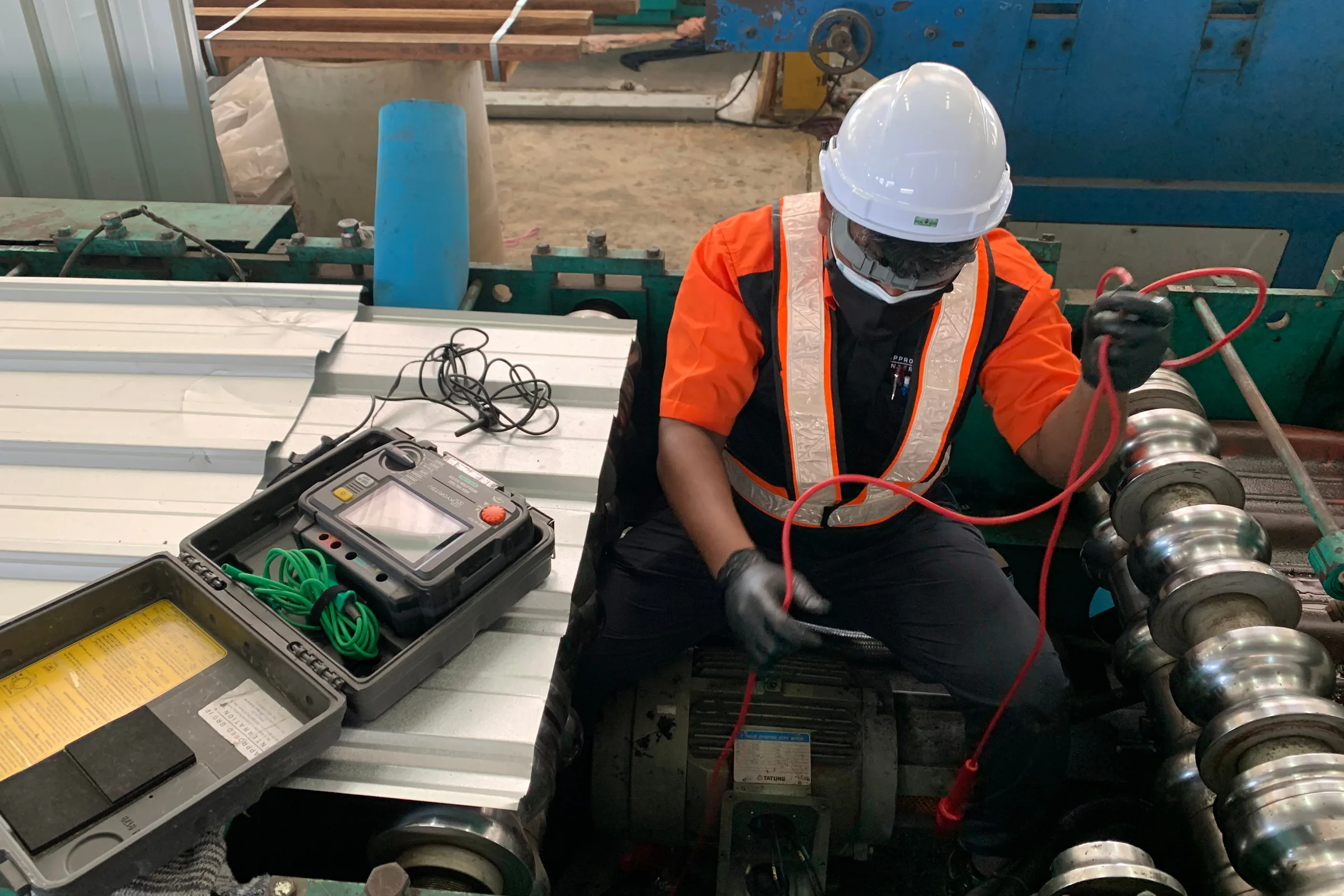
AGI engineer in a hard hat and face shield testing an electric motor's insulation on a production line

Services

Risk Assessment

Almost every serious fire, machinery breakdown, electrical failure, structural incident or flood has a history.

The question

What is going to go wrong next?

Engineering risk assessment by the people who investigate the failures. Credible failure scenarios identified and ranked in a prioritised risk register.

Surveys are carried out across all six office countries, and on a multi-site portfolio the same engineer covers every site, so the findings can be compared rather than collated.

3
Risk assessment services
6
Offices across Asia-Pacific
27
Countries served
1986
Year AGI was founded

What Is a Facility Risk Assessment?

A facility risk assessment is a structured engineering evaluation of the physical assets, operating conditions, maintenance practices and safeguards that influence how reliably and safely a facility runs.

It identifies credible failure scenarios, weighs the likelihood and consequence of each, and prioritises corrective action by risk rather than by trade. The assessment considers not only whether equipment is present and its paperwork current, but whether deterioration, an operating condition or an everyday practice could cause that equipment to fail when it is actually called upon.

A well-executed assessment answers five questions.

What can realistically fail?

What physical mechanism could cause the failure?

What evidence indicates that the mechanism may already be developing?

What would the consequences be for safety, property and operations?

What practical action would reduce the risk most effectively?

The output is a prioritised engineering risk register: what needs attention now, what belongs in planned maintenance, and what is a longer-term capital question. It is not a generic checklist, and it does not certify that a facility is safe.
Risk Assessment versus Compliance Audit

Compliance is necessary. On its own, it does not eliminate risk, and treating the two exercises as one is how a facility's real exposure goes unnoticed.

A compliance audit evaluates whether a defined requirement has been met: a code, a licence condition, a contract term. A facility risk assessment asks a different question, one about what could still fail under the facility's actual operating conditions, even where the formal requirement appears satisfied. A switchboard can hold a valid inspection certificate and still be carrying a heavier load than the day it was designed for. A store room can comply with its original layout and now hold a materially higher combustible load than that layout assumed. A fire pump can carry a current service record and still lack recent evidence that it performs under duty conditions.

Most facilities need both. They rarely need them from the same visit, because an audit and a risk assessment are answering different questions. One is about the present. The other is about what the present is quietly building toward.

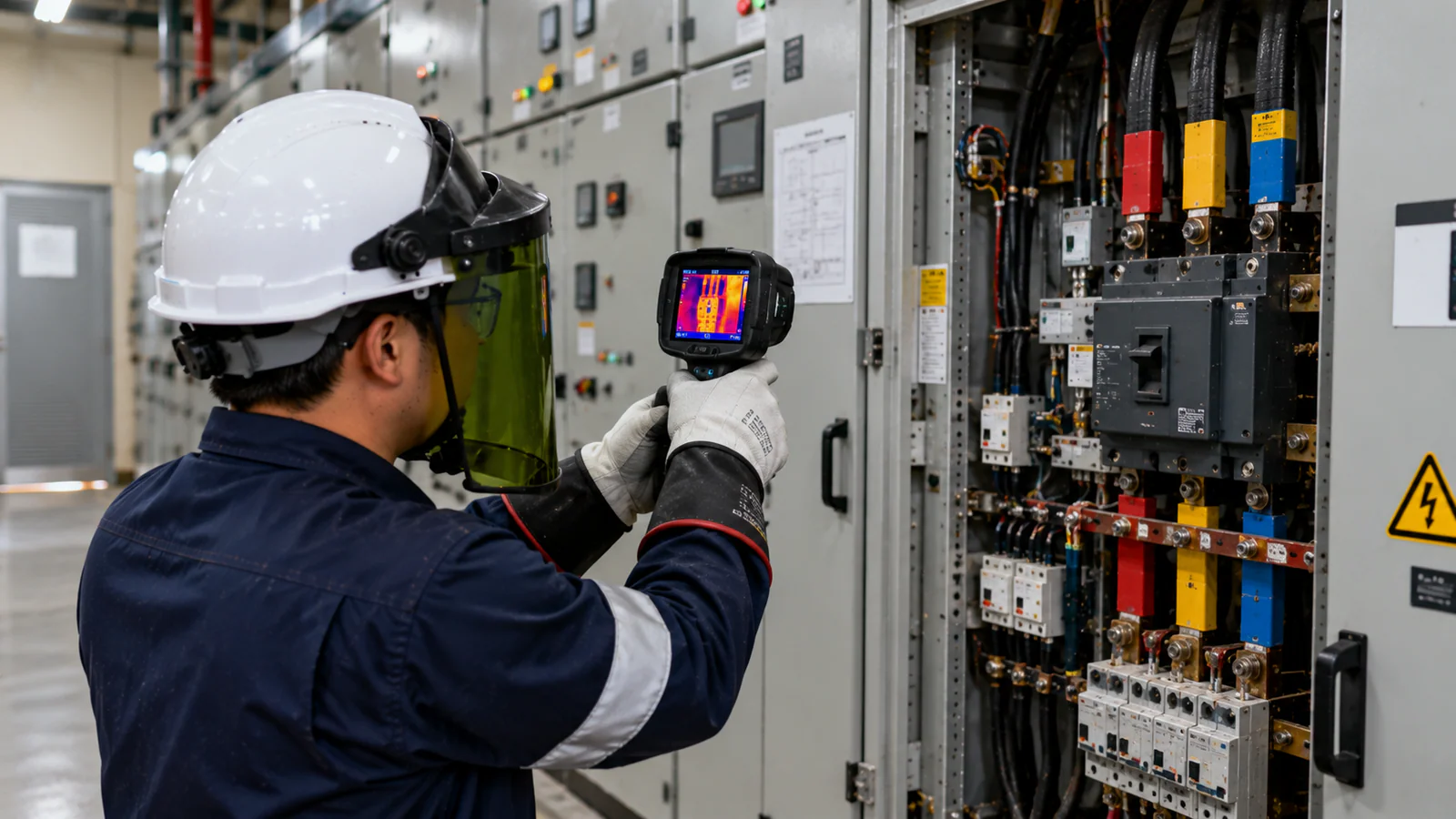
AGI engineer in an arc-rated face shield scanning a live switchboard with a thermal camera
Plate 01AGI engineer in an arc-rated face shield scanning a live switchboard with a thermal camera

How We Assess

  1. Scope and document review. We review available drawings, single-line diagrams, maintenance records, statutory certificates, incident history and previous inspection findings, to establish what the facility was designed to do and how it is actually operated.

  2. Engineering site assessment. Engineers inspect the relevant areas with facility representatives. The work is generally visual and non-intrusive, supported by infrared thermography and selected measurements where the agreed scope includes them.

  3. Failure-mechanism analysis. Each significant finding is considered against the physical mechanism by which it could progress into fire, electrical failure, loss of containment, structural distress or business interruption.

  4. Likelihood-and-consequence ranking. Findings are ranked so that a cosmetic issue does not obscure a critical safety or business-interruption exposure.

  5. Recommendation. We separate what needs attention now from what belongs in planned maintenance, what needs specialist testing, and what is a longer-term capital question.

  6. Reporting and reassessment. Findings go to management with the engineering basis explained, together with a suggested interval for the next review. Where the evidence permits, the remaining cause or contributing causes are reported; where it does not permit a reliable determination, that limitation is stated.

What We Assess

A facility runs as one interconnected system, not a set of separate trades. An electrical fault can become a fire. A pump failure can become a flood. Poor housekeeping can turn a small, containable incident into a large one. The assessment reflects that.

Fire and life safety. Credible ignition sources, fuel loading and compartmentation, and the apparent readiness of detection, alarm, evacuation and suppression arrangements.

Electrical systems. Terminations, panels, switchgear and busduct, examined by infrared thermography and visual inspection for the abnormal heating that precedes an arc fault.

Mechanical, HVAC and utilities. Chillers, pumps, piping and pressure systems, assessed for leakage, corrosion, vibration and the maintenance history behind them.

Machinery and plant. Boilers, generators, compressors, lifts and production equipment, for the bearing wear, lubrication decline and alarm pattern that usually precede a breakdown.

Firefighting systems. Sprinklers, hydrants, hose reels, fire pumps and alarm panels, reviewed for condition and readiness rather than simply confirmed present.

Building fabric and structure. Cracking, spalling, water ingress and corroded supports, screened for the signs that warrant a detailed structural appraisal.

Operations and human factors. Occupancy, storage, temporary wiring, permit-to-work practice and deferred maintenance. The everyday decisions that quietly change a facility's risk profile between one design review and the next.

Electrical, Machinery and Fire

Where a single system carries most of a facility's exposure, or a renewal, incident or design review calls for depth in one discipline, three focused assessments sit underneath this one.

Electrical Risk Assessment applies infrared thermography and engineering inspection to switchgear, distribution boards, transformers and busduct, distinguishing normal loading from the loosened terminations, contamination and phase imbalance that lead to an arc fault.

Machinery Risk Assessment reviews the condition of rotating and process equipment, boilers, chillers and cranes against vibration, lubrication, alignment and maintenance-history evidence, identifying the deterioration that precedes an unplanned shutdown.

Fire Risk Assessment surveys ignition sources, fuel load and fire protection system condition, carried out by engineers who determine origin and cause once a fire has already happened.

After a Loss

Where a fire, electrical incident, machinery breakdown or structural failure has already occurred, the relevant service is forensic investigation, not risk assessment. Different questions, the same standard. Our forensic engineers apply the same evidence-based discipline to establish what failed and why. See Forensic Investigation and Forensic Engineering for that side of the work.

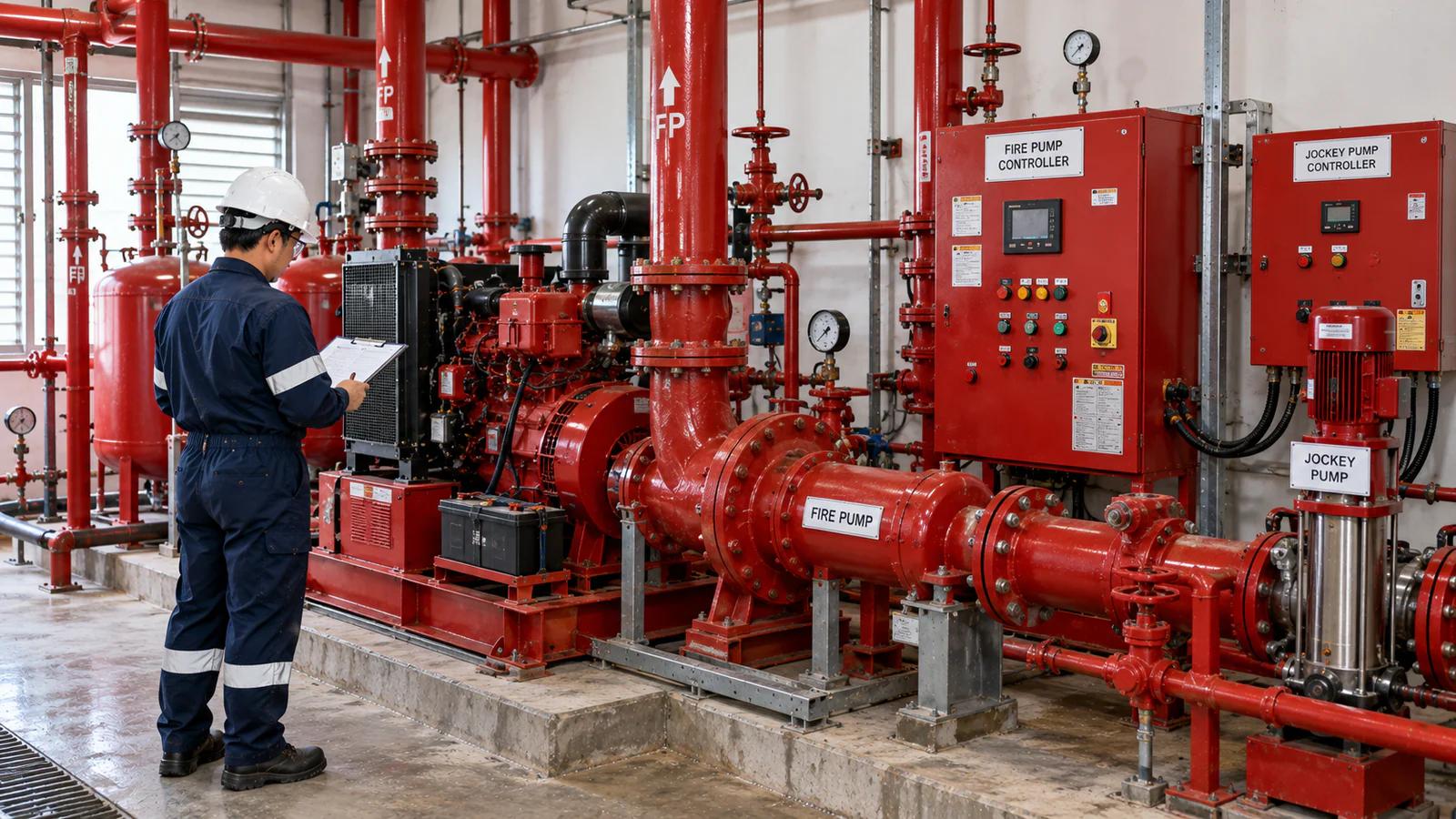
AGI engineer reviewing a fire pump room with its pump, controller and jockey pump
Plate 02AGI engineer reviewing a fire pump room with its pump, controller and jockey pump

Common questions

About risk assessment

The questions that come up before an instruction, answered plainly.

How it runs

Four steps, in this order

The sequence matters more than the speed. Skipping the third step is what produces a conclusion that does not survive challenge.

  1. 1

    Survey

    Walk the site. The exposures that cause large losses are visible and usually absent from the register.

  2. 2

    Model

    Develop a small number of credible loss scenarios in enough detail to be costed.

  3. 3

    Rank

    Order by consequence and likelihood, so a limited budget goes where it changes the outcome.

  4. 4

    Plan

    Set the controls, the monitoring and the continuity position for what remains.

24/7 response

Need risk assessment on a live matter?

Tell us what happened and where. A specialist in the right discipline will come back to you, not a sales desk.