Approved Group International
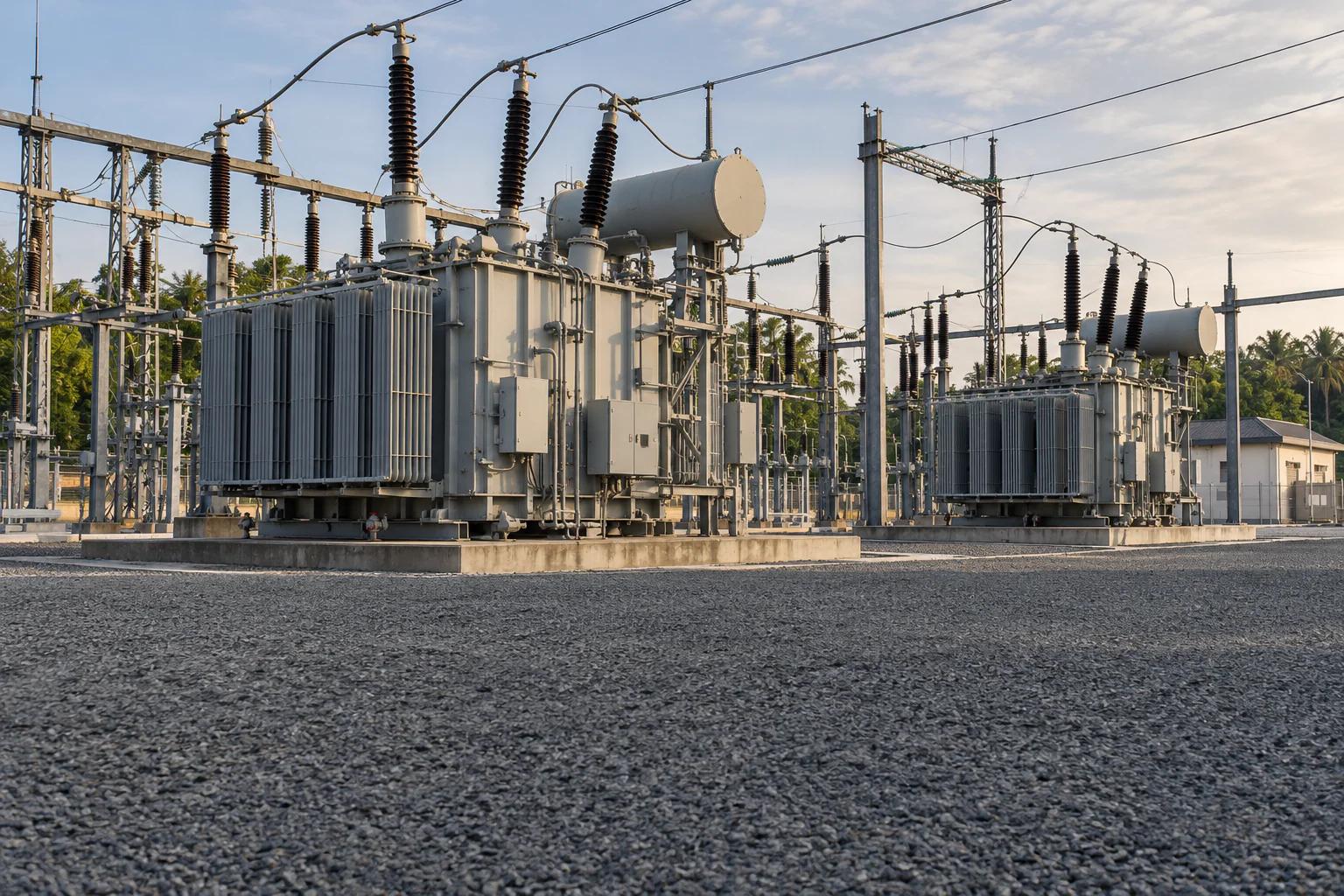
High-voltage substation with power transformers in late afternoon light

Risk Assessment

Electrical Risk Assessment

An electrical risk assessment finds the failure an installation has not had yet.

When to call

  • Before renewal or new cover.
  • After a near miss or a comparable loss elsewhere.
  • A new facility or a major change.
  • Ageing plant.
  • A board or lender asking for assurance.

What you receive

  • Facility managers, plant owners, operators and risk managers instruct most of this work directly, usually as part of their own maintenance…
  • The engagement produces a prioritised electrical risk register with thermal images, the credible failure mechanism behind each finding, a…

What Is an Electrical Risk Assessment?

Electrical failure rarely begins with the event that gets noticed. A termination loosens under vibration or thermal cycling and its contact resistance climbs. Moisture or dust reduces insulation performance inside a panel. A cable joint ages past its design life. Each of these can develop over weeks or months, and each may leave a thermal or physical signature that is detectable while the equipment is still running.

An electrical risk assessment looks for that evidence before the failure does. It combines infrared thermography with visual inspection, loading information and maintenance history, then ranks each finding by likelihood and consequence. The output is a prioritised electrical risk register, distinguishing what needs isolating now from what belongs in planned maintenance.

How We Assess

  1. Scope and document review. We review single-line diagrams, maintenance records, prior thermography reports and available loading data, to understand what the installation was designed to carry and how it is actually operated.

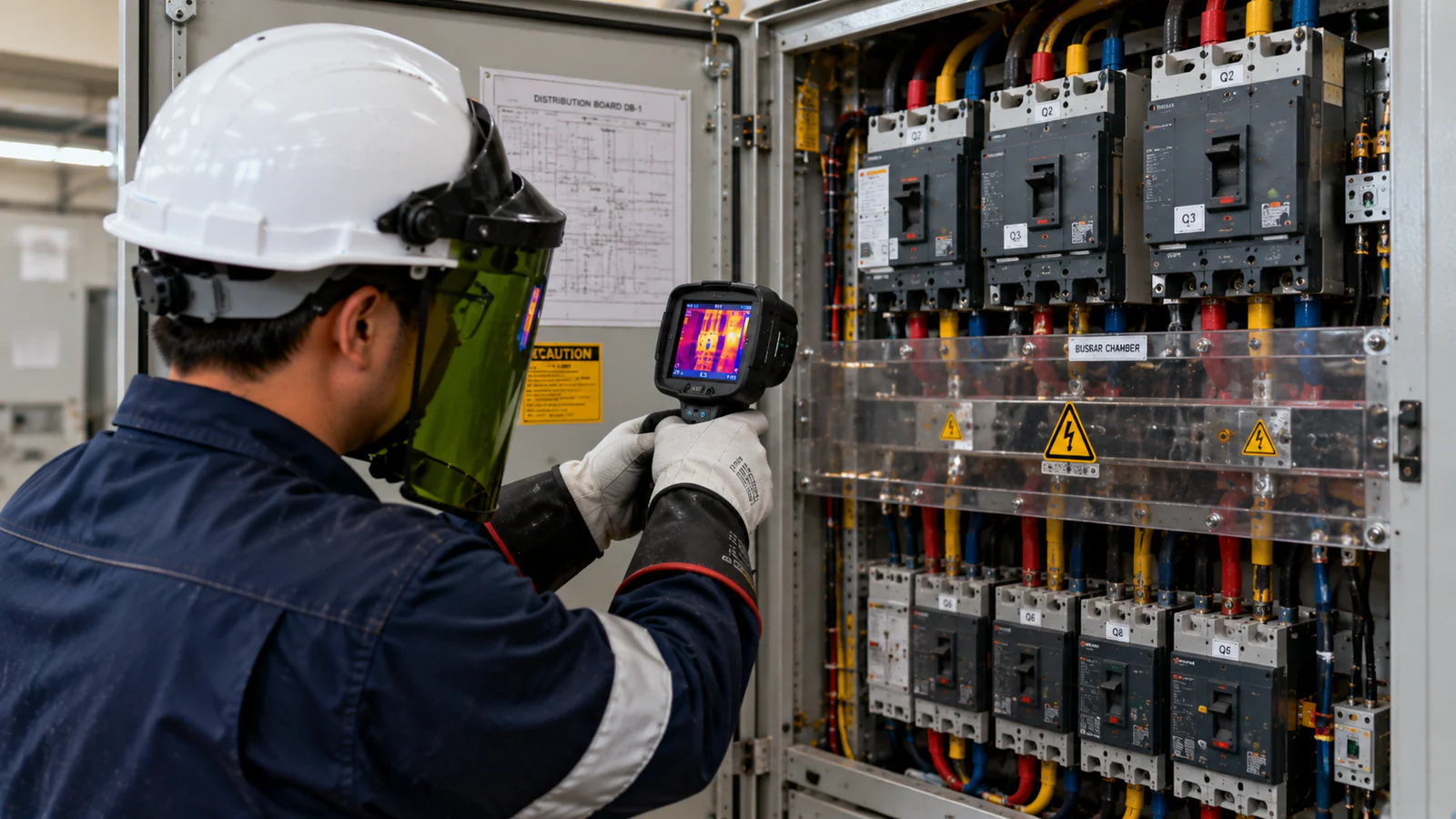
  2. Thermographic and visual site inspection. Engineers inspect switchgear, main switchboards, distribution boards and busduct while live, combining infrared thermography with a visual check of terminations and general condition. The survey interval and method follow the electrical equipment maintenance practice set out in NFPA 70B, which now expects infrared inspection of energised equipment on a recurring basis. The survey is generally non-intrusive and scheduled to minimise disruption.

  3. Failure-mechanism interpretation. An abnormal thermal pattern is not, on its own, a finding. Each anomaly is interpreted against loading, phase balance, connection type and equipment design to identify the credible mechanism behind it.

  4. Likelihood-and-consequence ranking. Findings are ranked so a cosmetic anomaly does not obscure a connection running hot enough to fail within weeks.

  5. Recommendation and risk register. We issue a prioritised register with thermal images, separating immediate isolation from planned maintenance, further testing and capital replacement.

  6. Reassessment interval. A review interval is recommended based on the findings and the installation's age and loading, not a fixed calendar date. Where the evidence permits, the remaining cause or contributing causes are reported; where it does not permit a reliable determination, that limitation is stated.

AGI engineer scanning a live distribution board with a handheld thermal camera
Plate 01AGI engineer scanning a live distribution board with a handheld thermal camera

What We Assess

Switchgear, main switchboards, distribution boards and busduct. The primary scope on most surveys. Thermographers scan live equipment for abnormal heating at terminations, contacts and joints, the most common precursor to an electrical fire.

Earthing and bonding. A degraded or discontinuous earth path does not announce itself under normal operation. The arrangement is reviewed and, where warranted, earth continuity is tested to confirm the protective path is intact.

Surge and lightning protection. Devices and systems are reviewed for condition, correct rating and evidence of prior operation. A surge arrester that has already absorbed a strike may no longer protect the circuit behind it.

Cable and joint condition. Underground and overhead runs, and the joints within them, are assessed for visible deterioration and loading history, with further diagnostic testing recommended where the risk warrants it.

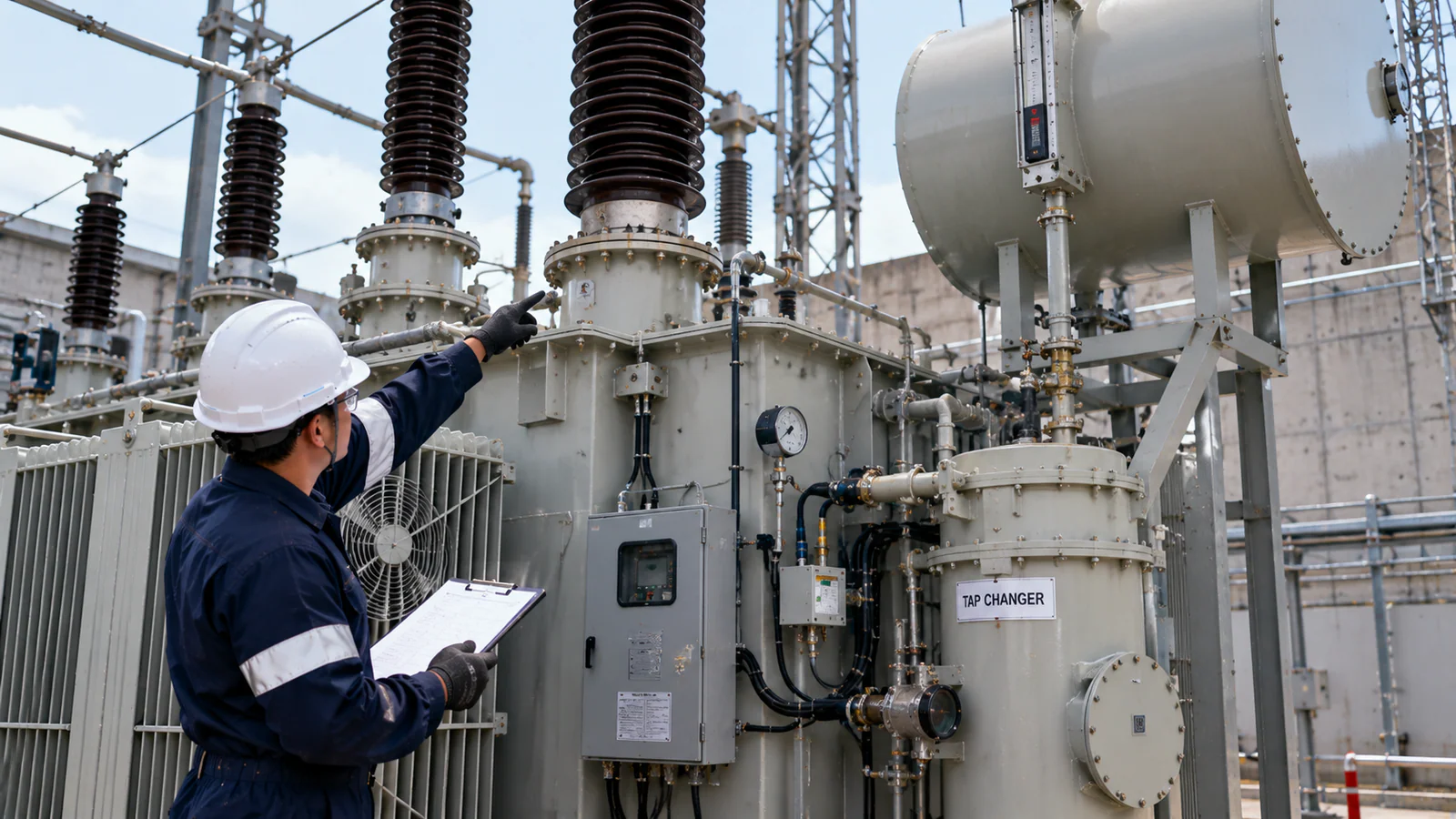
Transformers. Oil condition, insulation resistance and tap-changer operation are reviewed, together with the trend in dissolved gas analysis over time where that data is available or commissioned. This is close to the same diagnostic basis applied once a transformer has already failed.

UPS, battery and storage rooms. Uninterruptible power supplies and battery energy storage systems are reviewed for thermal condition, ventilation adequacy and battery health, given their role in keeping critical loads running through an outage.

Solar and inverter installations. Strings, combiner boxes and inverters are scanned for hot connections and underperforming modules, a growing share of this work as rooftop and ground-mount installations age.

Generators and changeover systems. Standby generators and automatic transfer systems are reviewed for condition and, where records allow, test history. A generator never proven under load is an assumption, not a safeguard.

Load growth and ageing. Current loading is compared against the installation's original design, and age, duty cycle and environment are considered for the effect they have likely had on components that cannot be inspected visually.

The deliverable is a prioritised register with thermal images and recommended intervention timing.

After a Loss

Where an electrical fire or failure has already happened, the relevant service is Electrical Failure Investigation, which establishes cause, mechanism and evidence for the parties involved. Risk assessment and failure investigation work draw on the same engineering bench, on either side of the loss.

AGI engineer inspecting the bushings and tap changer of a power transformer
Plate 02AGI engineer inspecting the bushings and tap changer of a power transformer

Common questions

About electrical risk assessment

The questions that come up before an instruction, answered plainly.

24/7 response

Protect the evidence first

Restrict access, change nothing, and call. Most of what decides a case is still on site in the first few days.

Emergency line open at all hours, across every office.