
Approved Group International
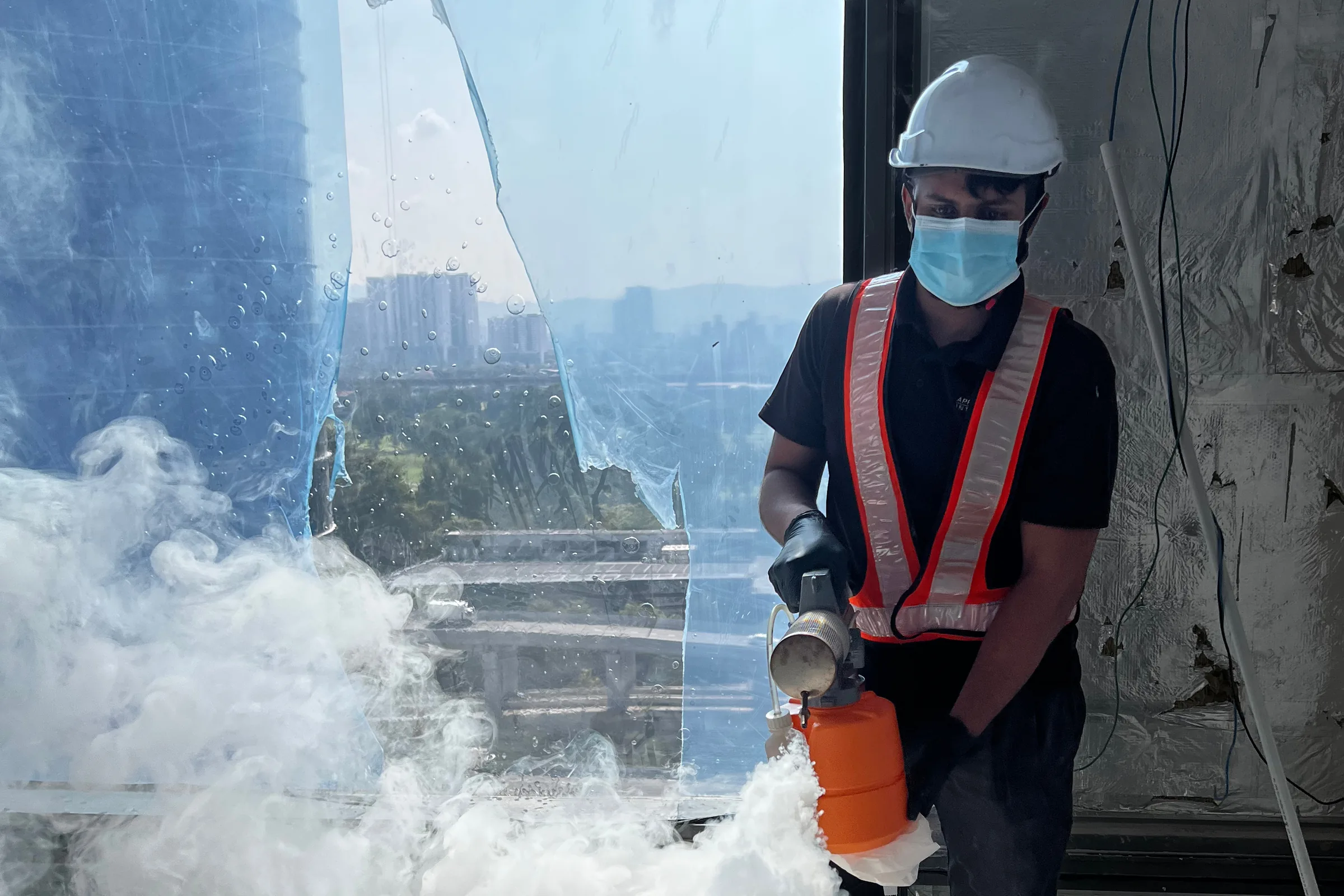
AGI technician in a hard hat and mask fogging disinfectant through a damaged high-rise interior during emergency response

Disaster Restoration

Emergency Response and Stabilisation

Emergency response and stabilisation mobilises within 24 hours of appointment to stop secondary damage without disturbing the evidence an investigation still needs.

When to call

  • Immediately after a fire, flood, storm or system failure, before a cause has been established.
  • Where secondary damage is developing faster than the investigation can conclude.
  • Where a site must be made safe before anyone can re-enter it.
  • Where a regulator or an internal safety process requires the site to be controlled.

What you receive

  • AGI may be instructed by any party responsible for the site or with an interest in limiting the loss.
  • Whoever gives the instruction, the work produces a site condition record from first attendance and a stabilisation scope setting out what was done…
  • Many of our response technicians hold IICRC certification in water, fire and smoke response, and the team coordinates directly with AGI's forensic…

What Is Emergency Response and Stabilisation?

It is the work carried out in the hours and days after a loss to prevent secondary damage, moisture spread, soot corrosion, microbial growth, structural exposure, from compounding the original event. It preserves the evidence a cause investigation and a damage assessment still need. It is not restoration. Restoration returns damaged property, plant and contents to service once the relevant evidence has been documented, preserved or formally released for work; stabilisation is what happens before that release, to stop the loss from getting worse while it is awaited.

It is also not a substitute for investigation. A stabilisation team does not determine why a fire started or a system failed. It secures the site, protects what can still be protected, and coordinates with whichever investigation team is attending so that neither objective is achieved at the expense of the other.

How We Respond

Attend within 24 hours of appointment. Mobilisation begins as soon as the appointment is confirmed, because the evidence most likely to determine cause is often the evidence most at risk of being lost in the same window.

Secure the site. Access is controlled, hazards are identified, and the perimeter is made safe before other work begins, so the site can be attended without creating a new incident.

Agree the sequence with the investigation team. Before anything is moved, dried or discarded, the areas requiring documentation or preservation are identified and agreed with the investigating engineer, so stabilisation proceeds around that evidence rather than over it.

Stop secondary damage in the areas released for work. Structural drying, temporary power, weatherproofing and contamination control begin in areas already documented, while examination continues elsewhere on the same site.

Document as work proceeds. Photographs and condition records are kept throughout stabilisation, so the site's condition at each stage is defensible later, independent of the investigation's own record.

Hand over to restoration. Once the relevant evidence has been documented, preserved or formally released across the site, stabilisation moves into the full restoration scope under the same technical team.

AGI crew fitting a temporary tarpaulin cover over a storm-damaged roof
Plate 01AGI crew fitting a temporary tarpaulin cover over a storm-damaged roof

The First 48 Hours

The first two days after a loss decide most of what follows. Moisture that reaches a material in the first hours can be dried without lasting damage if it is addressed promptly; left longer, the same moisture drives deeper into the material and microbial growth becomes a live risk, sometimes within 24 to 48 hours. Soot left untreated continues to corrode metal and etch glazed and painted surfaces for as long as it remains in contact with them. A building envelope left open to weather turns a contained loss into a much larger one within a single storm.

None of that is a reason to move faster than the evidence allows. It is the reason attendance happens within 24 hours rather than after a cause has been confirmed. It is also the reason the response team works around the areas the investigation still needs, rather than waiting for the whole site to be released before doing anything at all.

What to Do Before We Attend

Make the site safe, not clean. Address immediate hazards, fire, structural, electrical, but avoid moving damaged material, discarding debris or beginning clean-up before the site has been documented.

Photograph the damage as found. Photographs taken before anything is moved are useful evidence and cost nothing to take, on a phone if nothing else is available.

Do not re-energise damaged electrical equipment. Equipment exposed to fire or water should not be switched back on before it has been inspected and tested, regardless of how it appears.

Keep damaged components and materials rather than discarding them. A failed part, a piece of debris or a damaged sample can be evidence. Where possible, retain what has been removed rather than sending it for disposal before attendance.

Note what has already changed. Anything moved, cleaned or repaired before attendance, deliberately or in the course of an emergency response by others, should be recorded, so the investigation team knows what condition to expect and what has already been disturbed.

AGI engineer and a response supervisor reviewing a site plan to agree evidence preservation areas
Plate 02AGI engineer and a response supervisor reviewing a site plan to agree evidence preservation areas

Common questions

About emergency response and stabilisation

The questions that come up before an instruction, answered plainly.

24/7 response

Protect the evidence first

Restrict access, change nothing, and call. Most of what decides a case is still on site in the first few days.

Emergency line open at all hours, across every office.