
Approved Group International
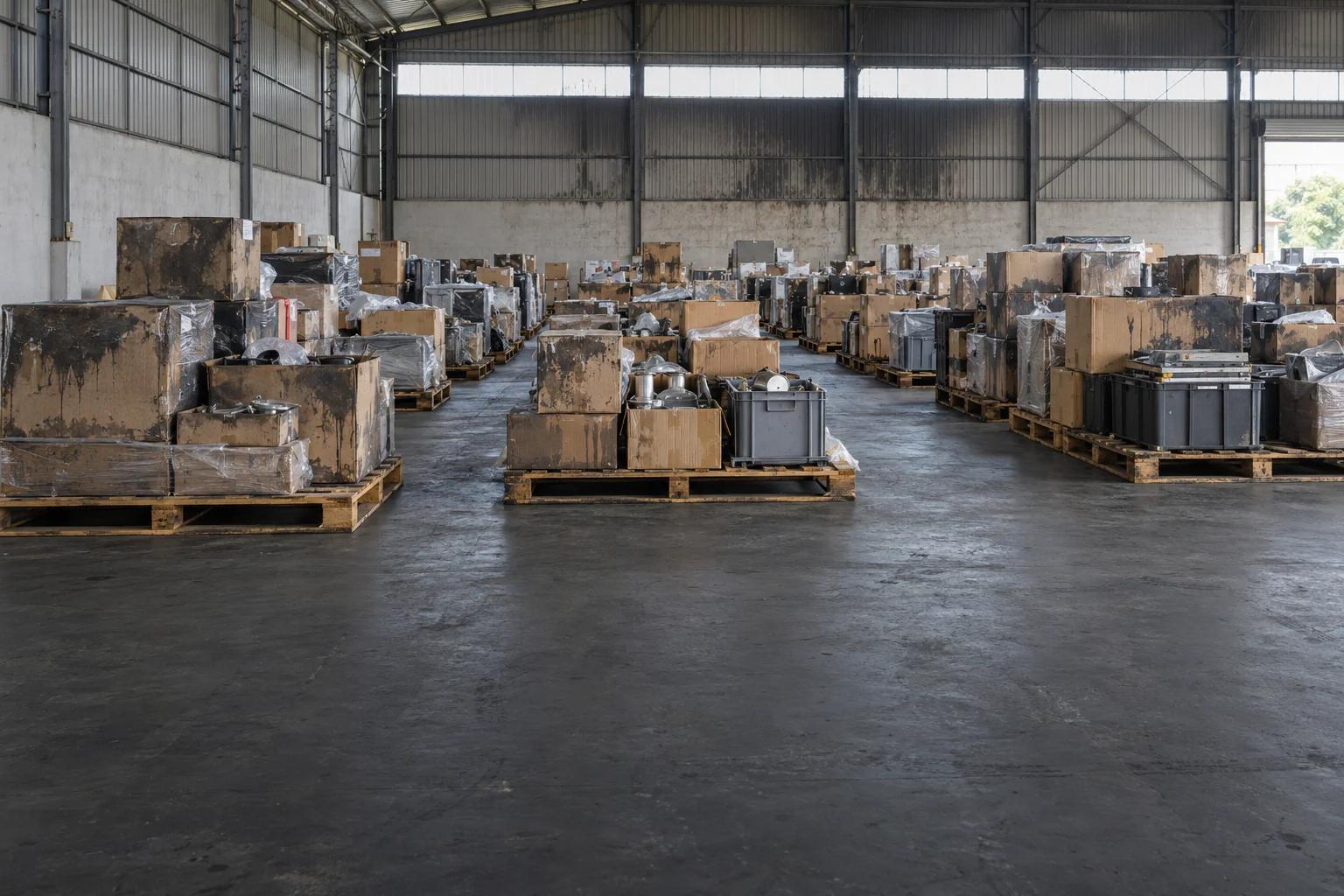
Smoke-damaged stock sorted onto pallets in rows inside a warehouse

Disaster Restoration

Content Restoration

Content restoration recovers stock, furniture, business records, equipment and specialised contents damaged by fire, water or contamination, matching cleaning and decontamination method to the material involved.

When to call

  • Stock or inventory has been exposed to smoke, water or contamination.
  • Business records or equipment are needed to keep operating.
  • Specialised or process equipment has been contaminated rather than destroyed.
  • A dispute turns on the condition or value of specific items.
  • Before anything fails.

What you receive

  • AGI may be instructed by any party with an interest in the contents affected by a loss.
  • Whoever gives the instruction, the work produces an item-level inventory with photographs and condition notes, contamination and functional…
  • Many of our restoration technicians hold IICRC certification relevant to the material and contamination involved, and specialised equipment is…

What Is Content Restoration?

It is the process of triaging, cleaning, decontaminating, stabilising and returning damaged movable property, so far as the evidence supports restoration, rather than defaulting to replacement. It differs from property restoration, which addresses the structure and its fixed finishes. Content restoration addresses what is inside the building: stock, furniture, records, equipment and specialised contents that can usually be moved, tested and treated independently of the structure around them.

The decision to restore or replace an item is made against a reference point, the item's original specification or function, not against how damaged it looks. Some items pass testing after cleaning. Others fail on a measurable point and are written off. Many sit in between, where cleaning or decontamination restores function that a visual inspection alone would have condemned.
How We Restore

Triage on evidence. Each item is assessed for material type, contamination and damage extent before a method is chosen, separating what can be cleaned in place, what requires specialist treatment, and what does not meet the threshold for restoration.

Inventory and document. Every item entering the process is photographed, labelled and logged, establishing a chain of custody that runs from collection through treatment to return or disposal.

Clean and decontaminate by material. Furniture, textiles, metal, electronic equipment and paper each respond to different contaminants in different ways, and the cleaning or decontamination method is matched to the material rather than applied uniformly across an inventory.

Stabilise documents and media. Paper, drawings, magnetic and digital media are stabilised before deterioration becomes permanent, using freeze-drying or vacuum-drying suited to the material and, where records are business-critical, prioritised ahead of less time-sensitive items.

Test and verify. Specialised equipment and instruments are functionally tested after cleaning and decontamination, and compared against the manufacturer's specification, before being returned to service.

Return or dispose, and close the record. Restored items are returned against the original inventory. Items that do not meet the threshold for restoration are documented and disposed of, with the record closed out against the same chain of custody the item entered under.

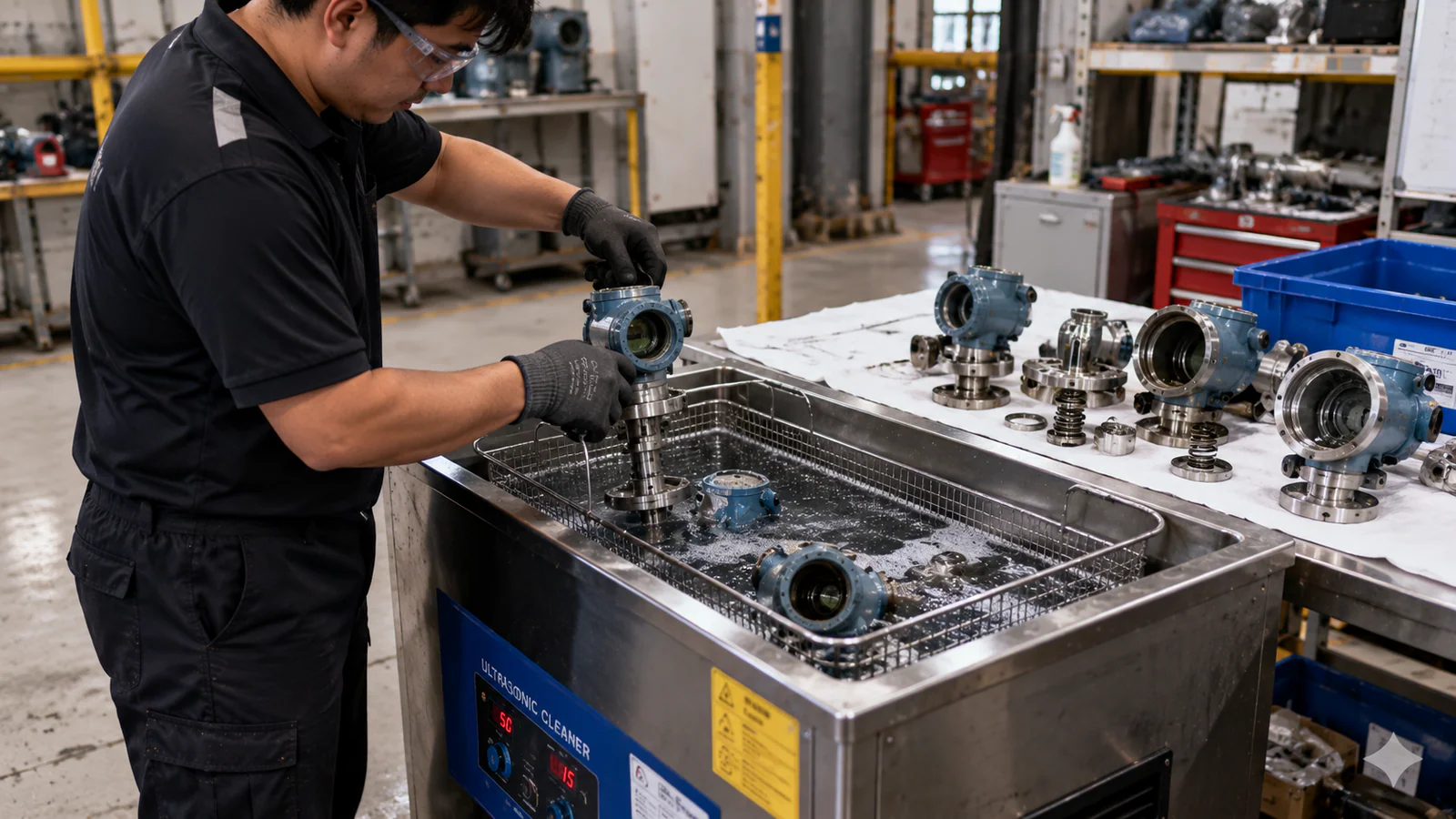
Technician cleaning contaminated process instruments in an ultrasonic bath
Plate 01Technician cleaning contaminated process instruments in an ultrasonic bath

What We Restore

Commercial inventory and stock. Retail and warehouse stock, packaged goods, finished products and raw materials, assessed lot by lot or item by item against contamination testing rather than treated as a single write-off.

Furniture and fixtures. Office, residential and specialised furniture affected by smoke, water or contamination, cleaned or reconditioned where testing supports it.

Business records. Contracts, financial records, engineering drawings and operational documents required for the business to continue functioning or for a matter in dispute.

Documents and media. Paper records, drawings, photographs, and magnetic or digital storage media, stabilised using freeze-drying, vacuum-drying or specialist digital recovery suited to the material.

Specialised equipment and instruments. Laboratory, medical, process and control equipment, cleaned and decontaminated to a method suited to the equipment, then functionally tested against specification before return.

Archives and heritage collections. Libraries, archives and institutional collections requiring handling suited to the material's age and condition, assessed on the same evidence-first basis as any other content.

What Decides These Cases

Whether contamination is surface or has penetrated the material. An item with surface contamination usually responds to cleaning. One where contamination has penetrated a porous material, upholstery, paper, insulation, may not, and testing establishes which condition applies before a method is committed.

Whether the item still functions to specification. For equipment and instruments, functional testing against the manufacturer's specification decides restoration, not whether the unit looks clean. An item can appear undamaged and still fail testing, or appear heavily affected and still pass.

Whether time has already worked against the item. Paper deteriorates, metal corrodes and electronic contamination becomes harder to reverse the longer it is left untreated. Where an item was collected and stabilised promptly, more of it is usually recoverable than where treatment was delayed.

Whether the inventory supports the restoration or write-off figure. An inventory documenting each item's condition, testing result and disposition is what allows a restoration or write-off figure to be checked, rather than accepted on trust from a single assessment.

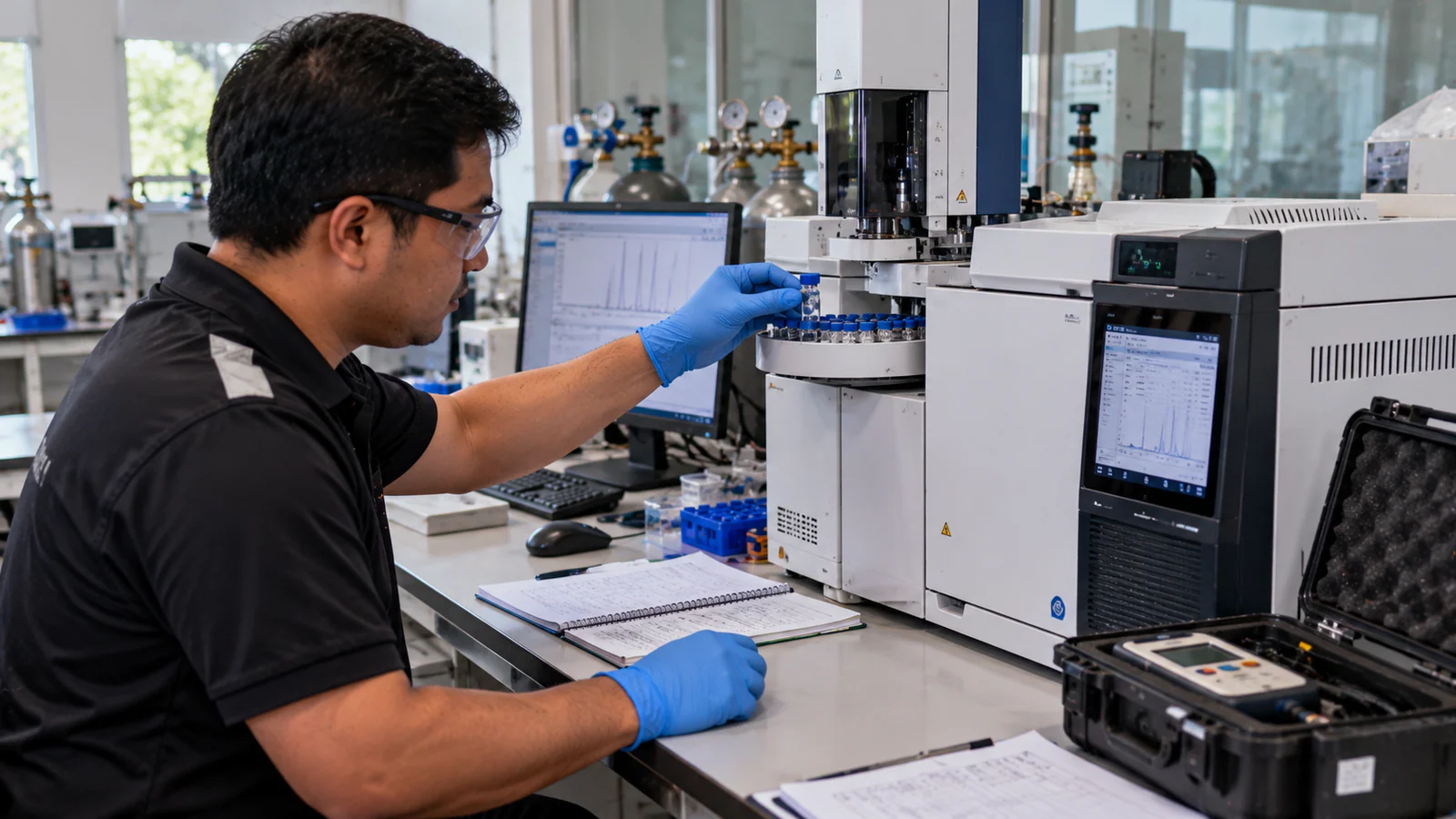
Technician testing a decontaminated laboratory instrument at a workstation
Plate 02Technician testing a decontaminated laboratory instrument at a workstation

Common questions

About content restoration

The questions that come up before an instruction, answered plainly.

24/7 response

Protect the evidence first

Restrict access, change nothing, and call. Most of what decides a case is still on site in the first few days.

Emergency line open at all hours, across every office.