Approved Group International
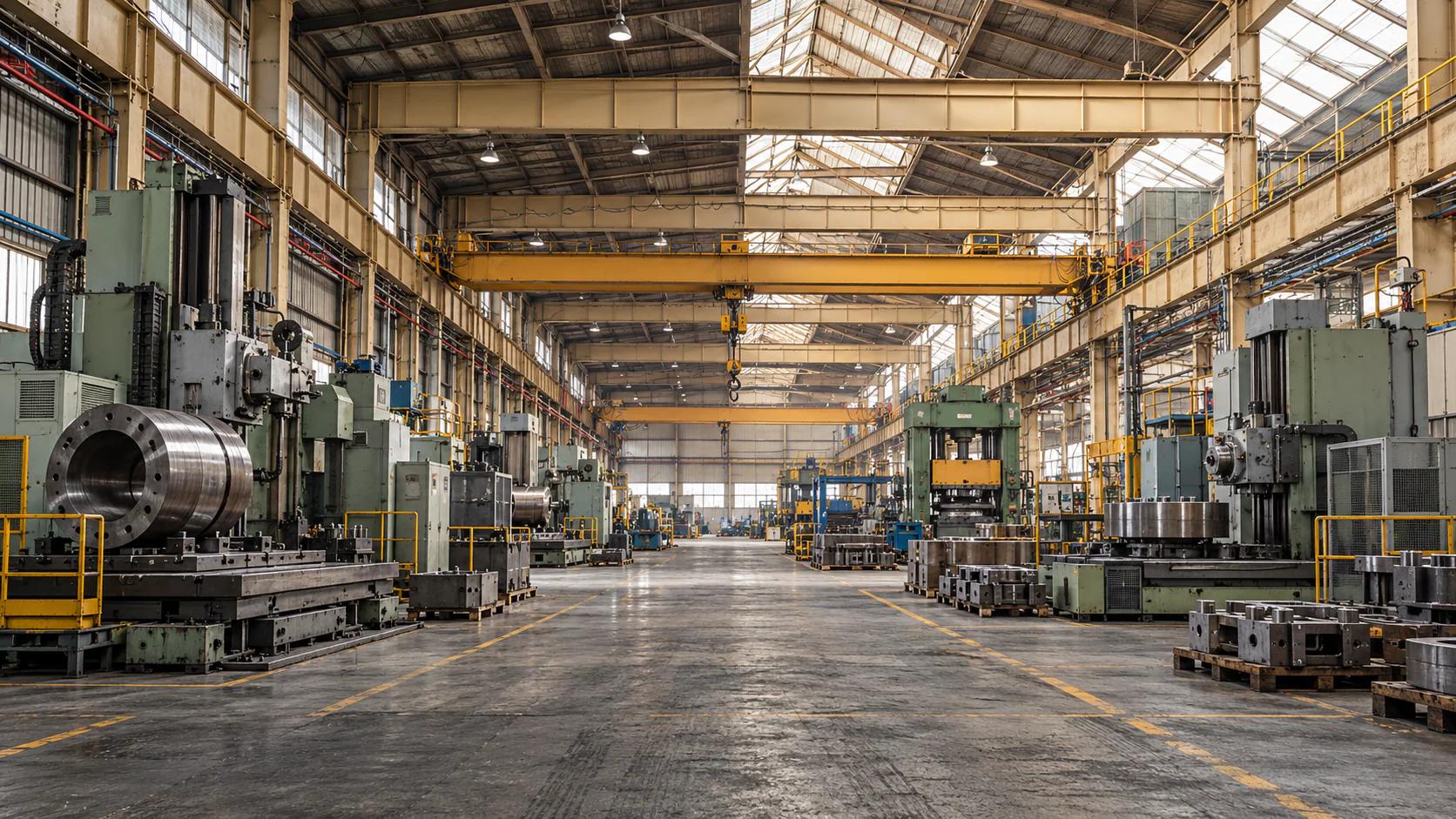
Manufacturing hall with heavy machine tools under overhead cranes

Findings · General manufacturing

Manufacturing: what fails and why

The recurring failures across manufacturing plants: switchgear, drives, process heat, presses, conveyors, dust, refrigeration and stock. Patterns from our casework.

4
Mechanisms behind most large losses
72h
Window that decides recoverability
9mo
Median long-lead replacement

The ranking

What came up most

Ordered by share of the casework reviewed. The top two account for more than half of it.

  1. 01

    Maintenance deferral on a known defect

    31%

    The failure was flagged on a prior survey and carried forward.

  2. 02

    Protective function bypassed or degraded

    24%

    The first line of defence was absent when it was needed.

  3. 03

    Plant outgrowing its original design duty

    20%

    Output grew; relief, protection and cooling did not.

  4. 04

    Change without reassessment

    15%

    A formulation, commodity or process change with no review.

  5. 05

    Single point of failure with no spare

    10%

    Lead time, not damage, drove the length of the interruption.

The Assets That Fail

Six asset classes account for most of the work. They are ordered here by how often each recurs. The order is not fixed. It shifts by sector.

Electrical distribution, switchgear and reticulation. appear most often. This holds across every sub-sector examined, from a single factory's main switchboard to the reticulation feeding an entire production hall. Production and process machinery specific to the product follows closely: extrusion and injection moulding lines, printing presses, textile spinning and weaving plant, furnaces, presses and packaging lines. Process heat plant, meaning boilers, thermal oil heaters, ovens, dryers and kilns, recurs wherever a process needs sustained temperature. Material handling and storage appears less often, but the consequence can be disproportionate: conveyors, elevators, racking and bulk silos. Stock and work in progress is affected in a large share of matters. Usually it is a consequence of another asset's failure, not the initiating event. Refrigeration and cold storage recurs most in food, beverage and pharmaceutical production, where a single compressor or control failure can cascade into a stock loss well beyond the plant itself.

How They Fail

Electrical distribution and switchgear. carry the largest single share of mechanisms across the archive. Loose or degraded connections, wiring and reticulation defects, arcing and flashover, and voltage spikes associated with lightning or switching surge recur most in wood and furniture manufacturing, chemicals and plastics processing, automotive and EV component plant, and paper and packaging facilities. An engineer examines fault current marks first. Arc mapping across a panel or busbar follows. The physical condition of terminations and joints matters. So does the recorded operation, or non-operation, of the protective device that should have isolated the fault.

Motors, drives and control panels. fail through a narrower but consistent set of routes. Bearing seizure, variable-frequency drive faults, capacitor failure, and arcing inside a motor control centre or main distribution panel recur most. Textile mills show this often. The main distribution panel is frequently the point of origin. It also recurs in steel and metals plant, where inverter-driven compressors and CNC machinery with variable-speed drives are common. Winding insulation condition, drive fault logs, and thermal marking at cable terminations usually decide the finding.

Process heat plant. fails in ways that track the process it serves. Thermal oil lines rupture or leak in chemicals, textiles and wood processing alike, where thermal oil heating is common to curing, drying and lamination. Induction and holding furnaces in steel and metals production have produced both failure and, less often, explosion, where refractory or coil condition is in question. Published loss experience for kiln refractory failure in cement production points, more often than not, to maintenance and operating practice rather than to a refractory or design defect alone. That pattern is broadly consistent with what the evidence supports in comparable process-heat matters. Spray booths and drying ovens recur in wood, furniture and automotive paint lines. Retorts, fryers and sterilisers recur in food and beverage and pharmaceutical production. Tube and drum metallurgy usually separates one mechanism from another. So do burner and control sequence records, and thermal oil sample chemistry.

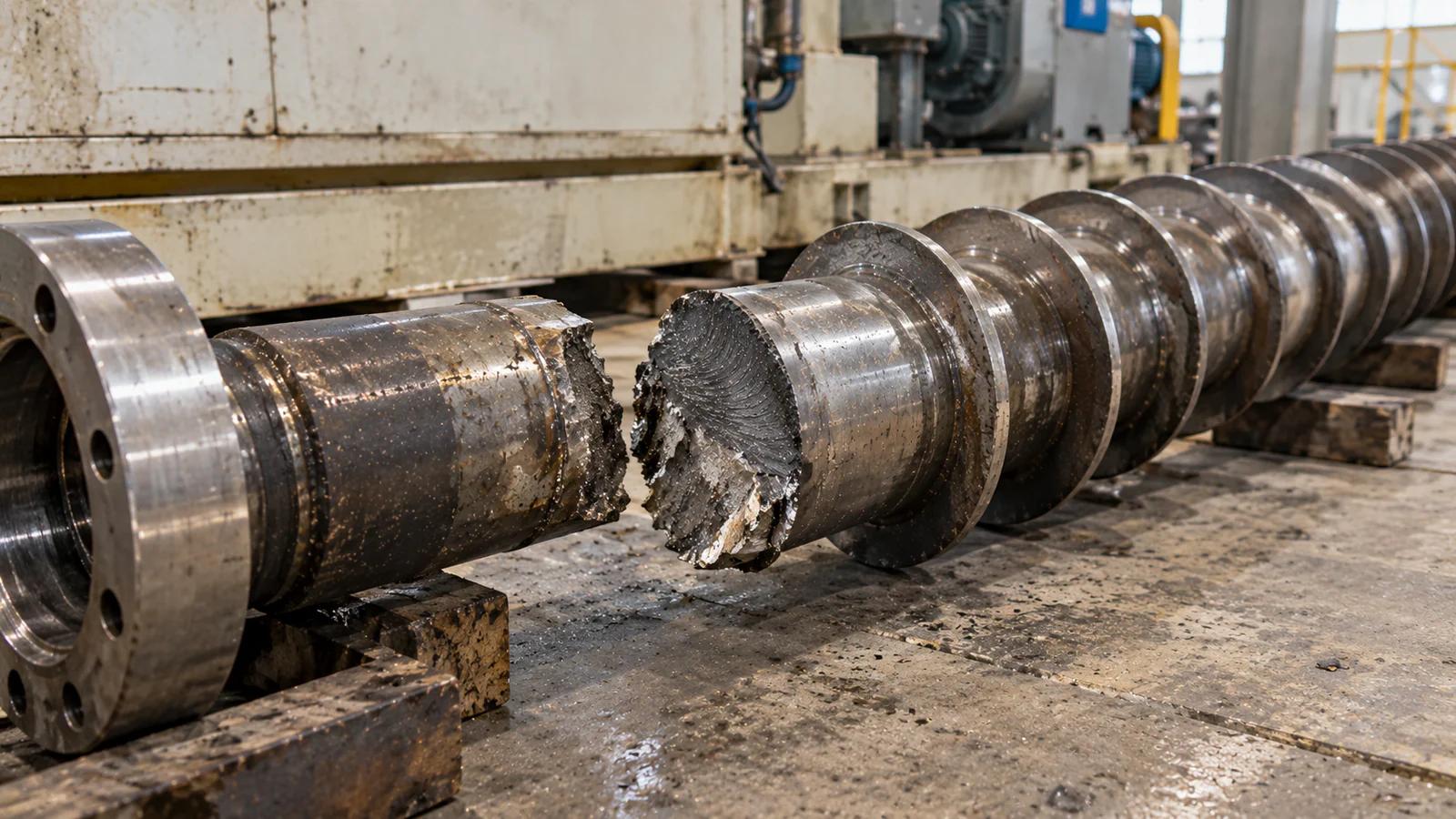
Hydraulics and presses. fail through component fatigue and contamination more often than through a single dramatic event. Injection moulding and extrusion machinery in chemicals and plastics production has shown piston rod and screw wear consistent with contamination or lubrication breakdown. Printing presses and creasing and cutting machinery in paper and packaging plant show comparable wear. Hydraulic fluid condition, seal wear and cylinder scoring are examined against the machine's maintenance record before a cause is assigned.

Conveyors and material handling. fail less often than the plant assets above. The consequence can still be severe. Friction is the usual starting point. Belt and conveyor fires from friction and bearing heat recur in steel, metals and wood processing. Crane, hoist and elevator failures appear across most sub-sectors where bulk material or finished product is moved mechanically. Bearing temperature history and drive alignment records are central to these findings.

Dust and combustible atmospheres. define the risk in wood and furniture manufacturing. Sawdust rooms, spray booths and dust collection systems recur repeatedly. The mechanism also appears in chemicals and plastics, through static ignition of foam and film rolls, and in steel and cement production, through bag-house dust collection. Published loss experience for dust-generating industries points to a recurring pathway: concealed accumulation in ducts, machine frames and collector housings, combined with friction ignition at an overheated bearing. That pathway recurs more often than any single dramatic ignition source. Dust layer depth and location, explosion venting condition, and the proximity of an ignition source to the accumulation are what the evidence turns on.

Refrigeration and cooling. failures concentrate in food, beverage and pharmaceutical production. The margin for error is thin. Compressor failure, refrigerant loss and control failure can turn a mechanical breakdown into a stock loss within hours. Cooling towers and condensers elsewhere in the plant fail more often through corrosion and tube erosion than through a sudden event.

Stock and work in progress. is rarely the initiating asset. It is, however, where a contained mechanical or electrical failure becomes a larger loss. Contamination, moisture ingress and flooding recur across chemicals, food and beverage, pharmaceutical and textile stock alike. Separating pre-existing condition from event-related damage is usually the harder part of the assessment.

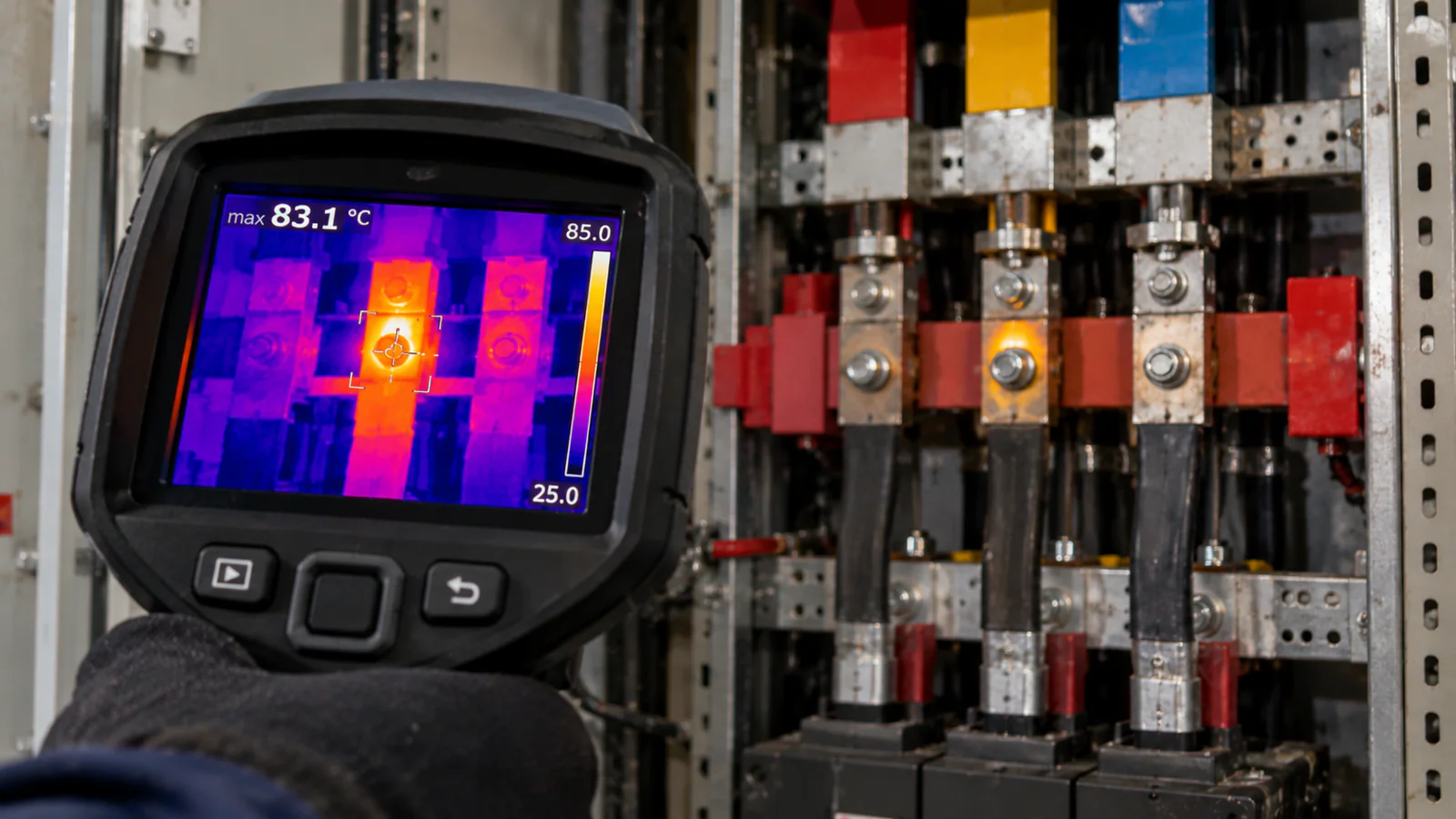
Thermal camera showing a hot spot at a busbar connection in a factory distribution panel
Plate 01Thermal camera showing a hot spot at a busbar connection in a factory distribution panel

What Made the Loss Bigger Than It Needed to Be

A small number of contributing factors recur across sub-sectors. Most sit within a plant's own control. That is the pattern worth noting. Protection that should have isolated a fault, and did not, appears repeatedly. Sometimes the device had not operated correctly for some time. Sometimes a setting no longer matched the load it protected. Sometimes an interlock had been bypassed for production reasons. Evidence removed or disturbed before an engineer attended is a recurring theme, particularly where a machine is stripped for repair, or a panel is cleaned, before the sequence and condition that produced the failure can be recorded. Restoration or repair starting before the extent of damage has been established is a related pattern. It shows most in production machinery matters, where a plant under pressure to restart moves faster than the evidence can be preserved. Moisture left in electrical and electronic components before re-energising is another. Several matters in the cases reviewed trace a second, avoidable failure to equipment returned to service before drying and testing were complete.

What Is Restorable, and What Is Not

Production machinery affected by water, smoke or limited contamination is restorable more often than not. That holds provided the mechanical and electrical components can be decontaminated, dried and tested against the manufacturer's own specification before return to service. The pattern holds across textile, printing, food processing and general production machinery in the cases reviewed. Controlled drying and dehumidification, precision decontamination of electronics and instruments, and chloride or ion contamination testing typically support the decision. Restoration of switchgear, busduct and motors follows the same evidence-based approach. It happens only after decontamination and testing confirm the equipment is safe to re-energise. Vapour-phase corrosion inhibition and manufacturer requalification, where available, support that decision on higher-value plant.

What is not restorable tends to follow the mechanism, not the asset class. Components with a confirmed fracture or fatigue crack are replaced more often than repaired. So is switchgear and busbar exposed to a sustained internal arc. So is refractory or process-heat equipment exposed to thermal shock beyond its design limit. Stock subject to prolonged flooding or contamination beyond what decontamination can address follows the same pattern. The decision in every case turns on functional testing and contamination chemistry. Appearance is not the test. It does not decide the outcome.

What a Pre-Loss Survey Would Have Found

Several of the mechanisms above are ones a condition survey routinely catches before they progress to failure. Infrared thermographic survey of electrical panels, switchboards and reticulation is the most frequently recurring pre-loss activity in the cases reviewed. It is aimed precisely at the loose connection or overloaded circuit that later produces an arc fault. Dust accumulation depth and housekeeping condition around production machinery and collection systems are assessable in the same visit. That deterioration links most directly to the combustible-dust mechanisms described above. Thermal oil chemistry sampling and refractory condition review would identify the deterioration behind several process-heat matters before it reaches failure. Bearing condition and vibration trending on motors, drives and conveyors are a further recurring gap. A mechanism well understood after the fact is, in most cases, detectable well before it.

Method Note

This report draws on the practice's own manufacturing casework. It is restricted to matters where the evidence supported a final technical finding, reviewed across the eight manufacturing sub-sectors named above. Where a mechanism is documented at volume in the wider published loss experience for a sector, but is not yet reflected at comparable volume in the archive reviewed, that is stated in general terms. It is never attributed to a named organisation. The archive itself is a partial record of the practice's full case register. Coverage varies unevenly across sub-sectors and years. A portion of the underlying data is drawn from case records not yet normalised to a controlled classification at the time of review. The patterns above are therefore stated as tendencies observed in the matters reviewed, not as statistics describing the whole of the practice's work. Where the evidence in an individual matter did not permit a reliable determination, that limitation was recorded in the file rather than resolved into a finding. It is reflected here only as an absence of pattern, never as an assumed cause. The cases were reviewed across the 27 countries in which the work was completed. The identity of the instructing party does not alter the method applied or the findings reached. Where the evidence does not permit a reliable determination, that limitation is stated.

Fractured extruder screw shaft broken into two pieces
Plate 02Fractured extruder screw shaft broken into two pieces

24/7 response

Does this match what you are looking at?

If the pattern fits, the next step is an engineer on site. If it does not, that is worth knowing early too.