
Approved Group International
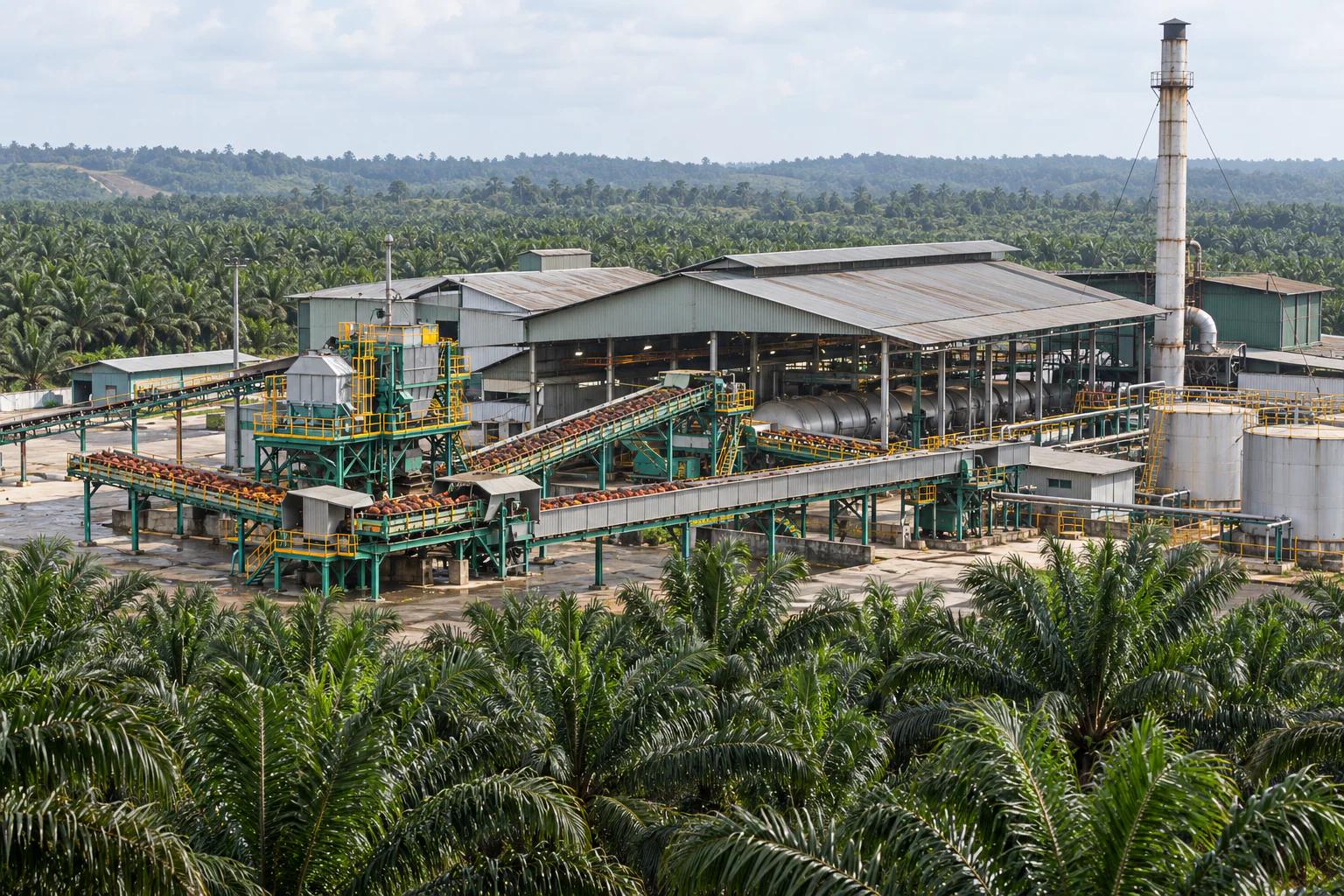
Palm oil mill surrounded by oil palm plantation, its chimney rising above the processing buildings

Manufacturing

Palm Oil and Agri Processing

AGI investigates, assesses and restores loss across mills and processing plant handling palm oil, copra, sugar, tobacco and animal feed.

Manufacturing

What we are called to in palm oil and agri processing

Fire, failure investigation, damage assessment, restoration and risk assessment for palm oil and agri processing operations, by the engineers who investigate the losses.

  • Manufacturing: what fails and why

What Fails in Palm Oil and Agri Processing

The failures here fall into a small number of recurring patterns, most tied to heat, pressure or the material itself.

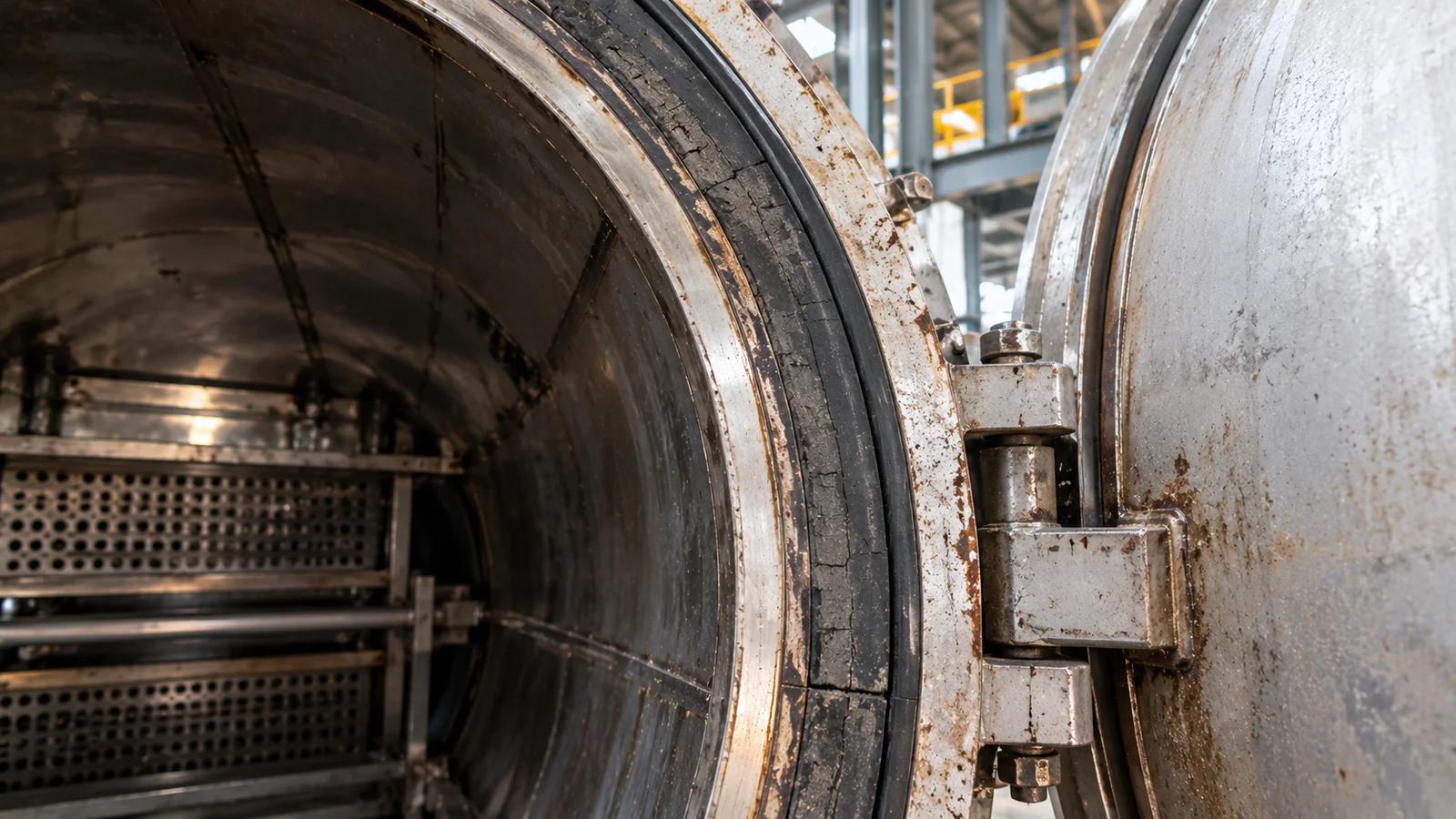
Sterilisers and pressure vessels. Overpressure from a faulty safety valve or a blocked line. Door seal failure during a cycle. Fatigue cracking in a vessel that has run thousands of pressure cycles beyond its design assumptions.

Presses, kernel and expeller plant. Bearing and gearbox failure under continuous load, and fires started by friction heat in equipment not stopped for maintenance in the way its duty cycle requires.

Cogeneration boilers and turbines. Fireside and waterside failures, tube rupture, and electrical faults in the generation equipment a mill relies on to keep running independently of the grid. Switchboards, transformers and circuit breakers elsewhere in the mill fail from the same heat, dust and continuous duty as the process plant they feed.

Bulk storage. Self-heating in stored copra, palm kernel expeller, sugar or tobacco, where a stockpile generates heat faster than it can lose it to the surrounding air.

Dust-generating processes. Milling, drying and conveying that produce fine combustible dust. Once airborne in a confined space near an ignition source, it behaves as an explosion hazard.
Fire and Explosion

Two mechanisms account for most serious losses in this sector. They are easily confused with each other. Self-heating is the slow one. Organic material stored in bulk oxidises gradually. It generates heat that a large enough pile cannot shed fast enough, particularly where moisture content or aeration was not managed against the stockpile's actual size. The result is a smouldering core that can exist for days before it reaches the surface. By then the fire has already consumed the evidence of how it began.

Dust explosion is the fast one. Fine organic dust will explode if it becomes airborne in sufficient concentration and meets an ignition source. A primary explosion in one vessel can dislodge settled dust elsewhere. That can trigger a secondary explosion far more destructive than the first. We investigate to NFPA 921 for the fire sequence and reference NFPA 654 for combustible dust hazard analysis. We examine housekeeping standards, dust collection system design, and ignition sources such as an overheated bearing or hot work carried out near accumulated dust.

Open steriliser vessel at a palm oil mill showing wear around the door seal
Plate 01Open steriliser vessel at a palm oil mill showing wear around the door seal

Failure Investigation

Mechanical failure in a mill is usually a bearing, a gearbox or a shaft. Run under a duty cycle the plant was not maintained to sustain. Pressure equipment failure is a different discipline again. It examines a steriliser or boiler against its design pressure, its inspection history and the condition of its safety devices at the time of the incident. Where the evidence does not permit a reliable determination, that limitation is stated.

We apply metallurgical examination and fractography to a failed component. Non-destructive testing to the vessel or structure around it. Engineering calculation against the original design conditions. The aim is to establish whether the equipment failed because of a defect, because of how it was operated, or because it had simply reached the end of a service life nobody had tracked.

Damage Assessment and Restoration

A damage assessment determines the nature and extent of the damage and the appropriate repair, restoration or replacement scope, and restoration begins once the relevant evidence has been documented, preserved or formally released for work. A mill stopped by fire or mechanical failure loses two things at once. The damaged equipment. And the fresh material still arriving that cannot wait for repairs. Our assessment separates what is genuinely damaged from what can be returned to service, so a plant manager is not replacing equipment that only needs cleaning, and is not running equipment quietly weakened by heat or corrosion.

Boiler and turbine components require particularly careful evaluation, since heat damage that is not visible externally can still compromise a pressure part. Restoration is sequenced against what the mill needs back in production first, not simply against what was damaged worst.

Risk Assessment

A facility risk assessment in this sector looks closely at storage practice. Most self-heating incidents trace back to a stockpile that exceeded the size or moisture level its storage arrangement was designed for. It examines dust accumulation against housekeeping standards. The condition and testing regime of pressure vessels. Whether protection, such as temperature monitoring in bulk storage, matches the volume being stored today. Many of the most damaging losses we investigate were preventable. A stockpile management practice existed on paper but was not followed in the yard.

The Work in This Sector

We investigate. Sterilisers, boilers and thermal oil heaters that fail under pressure or heat, and the presses, digesters, expellers and turbines that drive a mill's output. Self-heating and spontaneous combustion in stored copra, palm kernel expeller, cocoa or grain, and dust explosions arising from milling, drying and conveying plant. Electrical failures in switchboards, transformers, generators and circuit breakers that keep a mill running independently of the grid, and structural failures in silos, water tanks and the crane gearboxes serving the yard. Lightning damage to tank instrumentation, and vehicle and machinery fires on site, are examined to the same standard.

We assess. What survives a steriliser explosion or a boiler tube failure, and what a fire or flood has done to stored crop, kernel, paddy or finished product before a mill decides what to scrap and what to run. Furnace, boiler and turbine components that look intact can still carry heat damage no external inspection will show. Water and smoke damage to warehoused stock is assessed on its own basis, rather than assumed a total loss because it sat near the incident.

We restore. Motors, pumps, gearboxes, compressors and electrical equipment contaminated by flood, smoke or process residue can be decontaminated, dried and returned to service once the evidence allows. Water-damaged paper records and documentation can often be recovered rather than replaced. Restoration is sequenced against what the mill needs back in production first, not simply against what was damaged worst.

We survey before a loss. Fire hazard reviewed zone by zone, from the loading bay and fruit elevator through to kernel and bulk storage. Stockpile size and moisture measured against the storage arrangement's design, dust housekeeping measured against the standard the plant sets for itself, pressure vessel inspection currency, and emergency-preparedness measured against what a mill's own procedures assume its people already know.

What Decides These Cases

Three findings recur, and they tend to decide the outcome of a claim.

Whether a self-heating event was detectable before it became a fire. Temperature monitoring records, turning or aeration practice, and the size of the stockpile against its design capacity all speak to this.

A pressure vessel's inspection and maintenance history, and whether it was current at the time of failure. This is usually the clearest indicator of whether the loss was a design or manufacturing defect or a maintenance gap.

And whether dust housekeeping met the standard the plant's own procedures set. A dust explosion investigation almost always turns on how much dust had been allowed to accumulate before the ignition event.

Common questions

Working in palm oil and agri processing

24/7 response

A loss in palm oil and agri processing?

Tell us what failed. You will get an engineer who has seen it in this sector, not a general enquiry form.