
Approved Group International
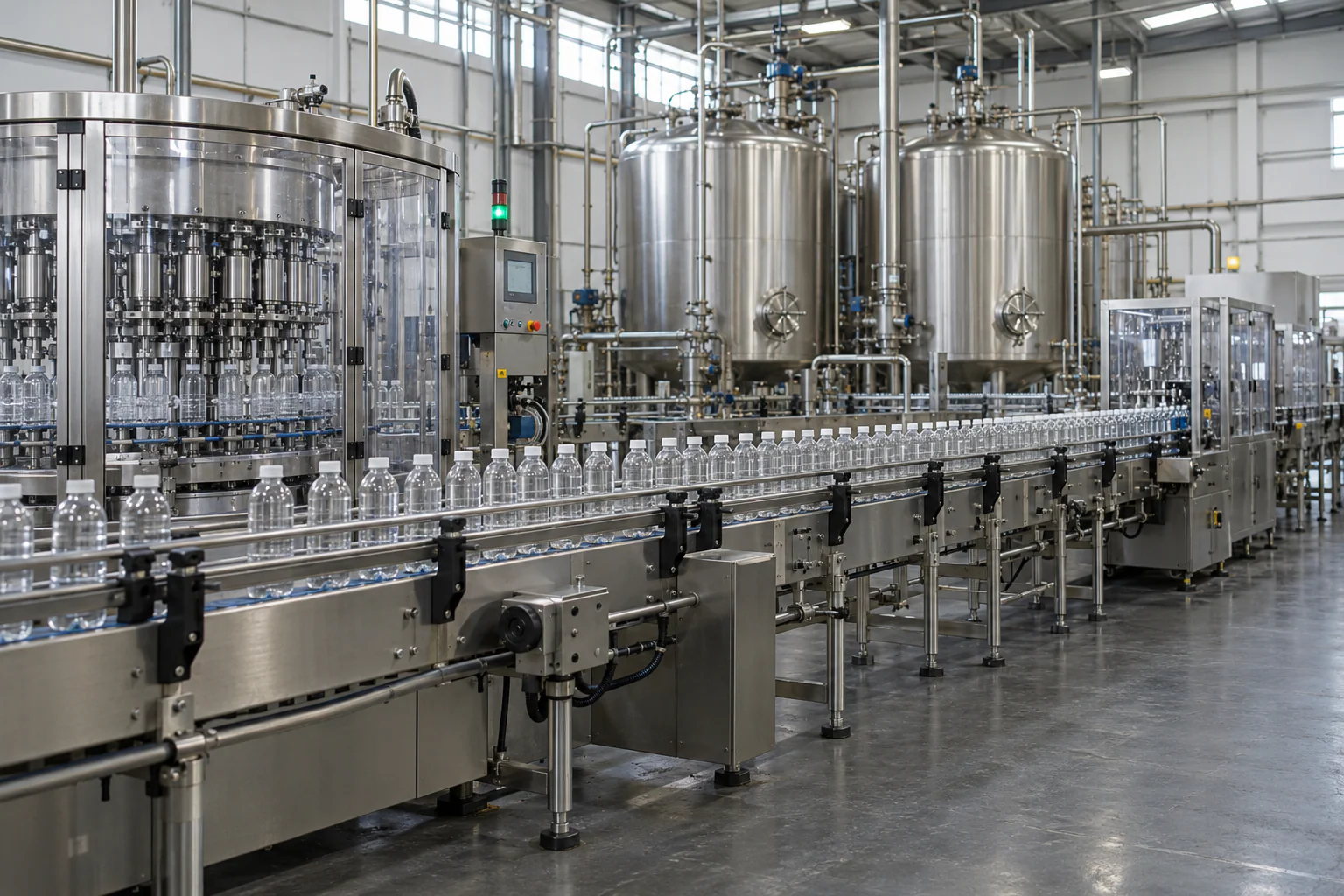
Bottling line and stainless steel process tanks in a beverage factory

Manufacturing

Food and Beverage Manufacturing

AGI investigates, assesses and restores loss across processing and packing lines, refrigeration plant, bakeries and beverage production.

Manufacturing

What we are called to in food and beverage manufacturing

Fire, failure investigation, damage assessment, restoration and risk assessment for food and beverage manufacturing operations, by the engineers who investigate the losses.

  • Plant and Machinery Damage Assessment
  • Plant and Machinery Restoration
  • Machinery Risk Assessment
  • Fire and Explosion Investigation
11,500
Restoration projects completed
48h
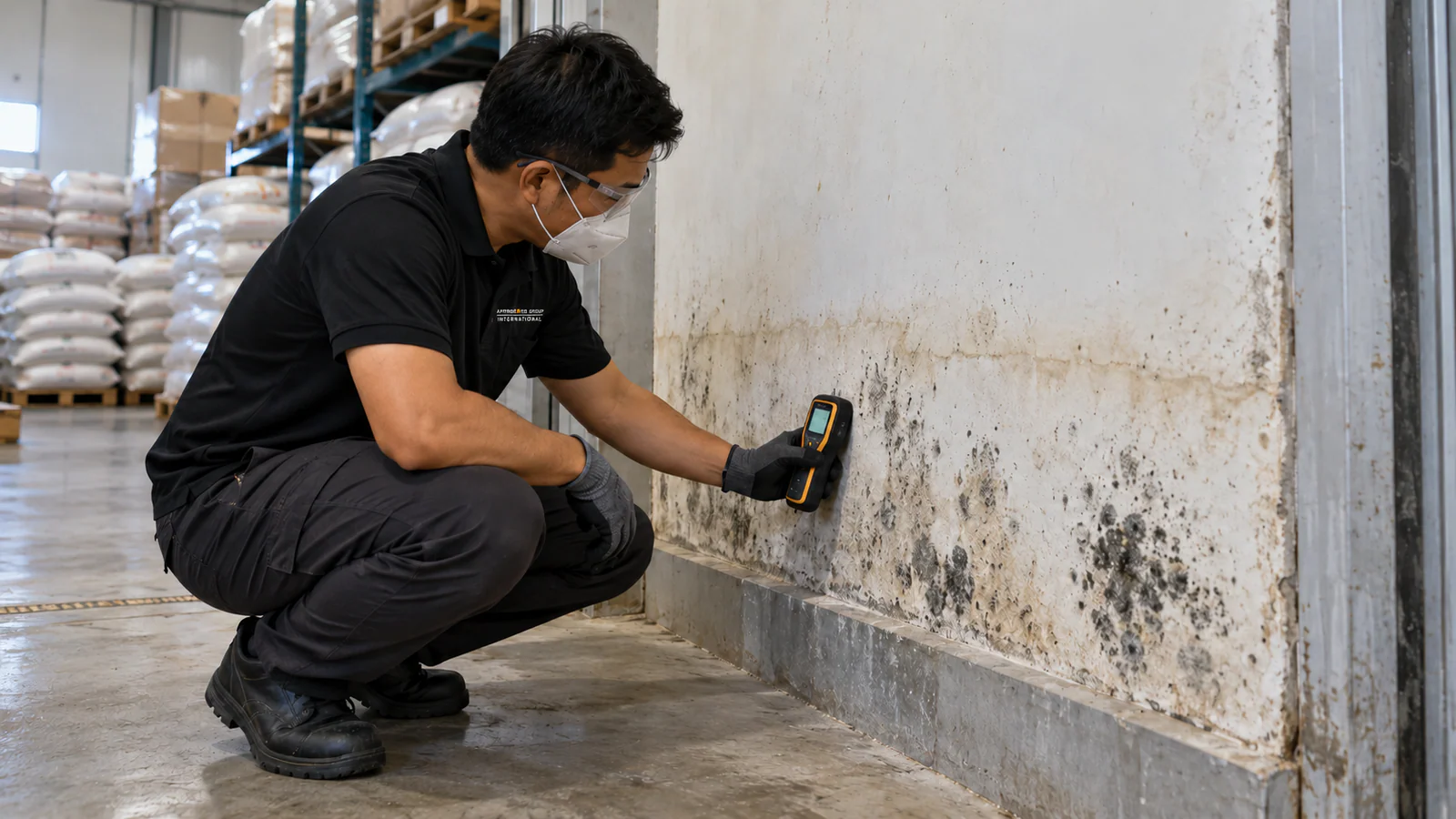
Mould onset on wet organic residue
3
Assessment and inspection services
24h
Target attendance, regional

What fails here

Five mechanisms behind most of the loss

Select one to see what happens, what settles it evidentially, and which discipline handles it.

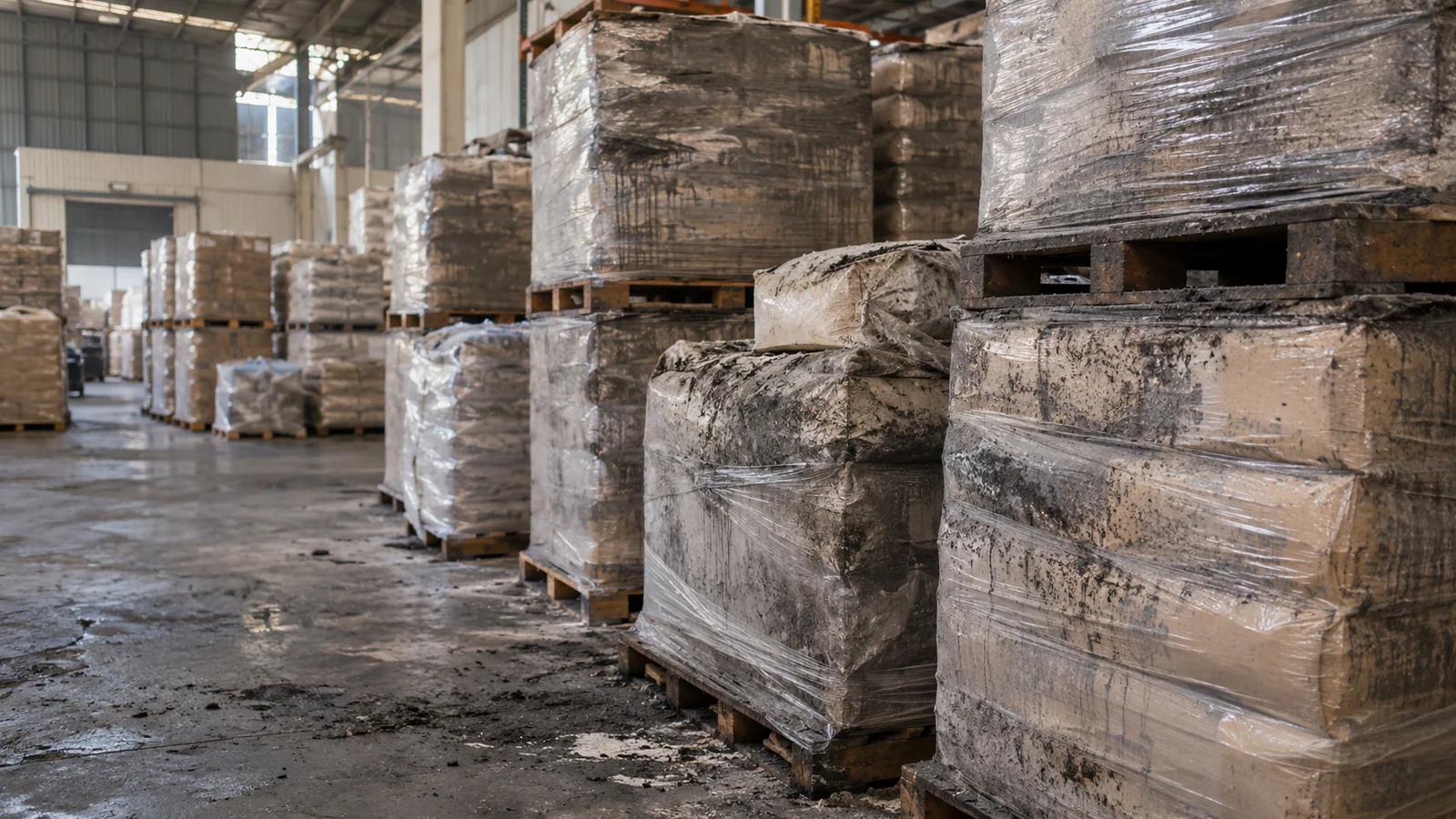
Pallets of shrink-wrapped goods in a food warehouse under a grey film of soot

Stock contamination

What happens

Smoke, water or chemical exposure to product and packaging, which is a total loss by regulation regardless of condition.

What settles it

Quantified inventory at the time of loss, with disposal documented. The work is proving quantity, not recoverability.

Plant and Machinery Damage Assessment

The first fortnight

What is recoverable is decided early

A loss in this sector follows a predictable clock. Most of the difference between a recovered asset and a written-off one is made before anyone has agreed who pays.

  1. Hour 0–12

    Secure stock

    Quantify and isolate affected product before anything is moved or disposed of.

  2. Hour 12–48

    Dry and inhibit

    Extraction and dehumidification. Organic residue plus moisture is a 48-hour problem.

  3. Day 2–21

    Restore the line

    Strip, clean and test equipment, including food-contact surface verification.

  4. Week 3+

    Requalify

    Hygiene clearance and test production before commercial output resumes.

What Fails in Food and Beverage Manufacturing

The pattern here is consistent: high-duty equipment, tight production schedules, and a product that degrades fast once conditions change.

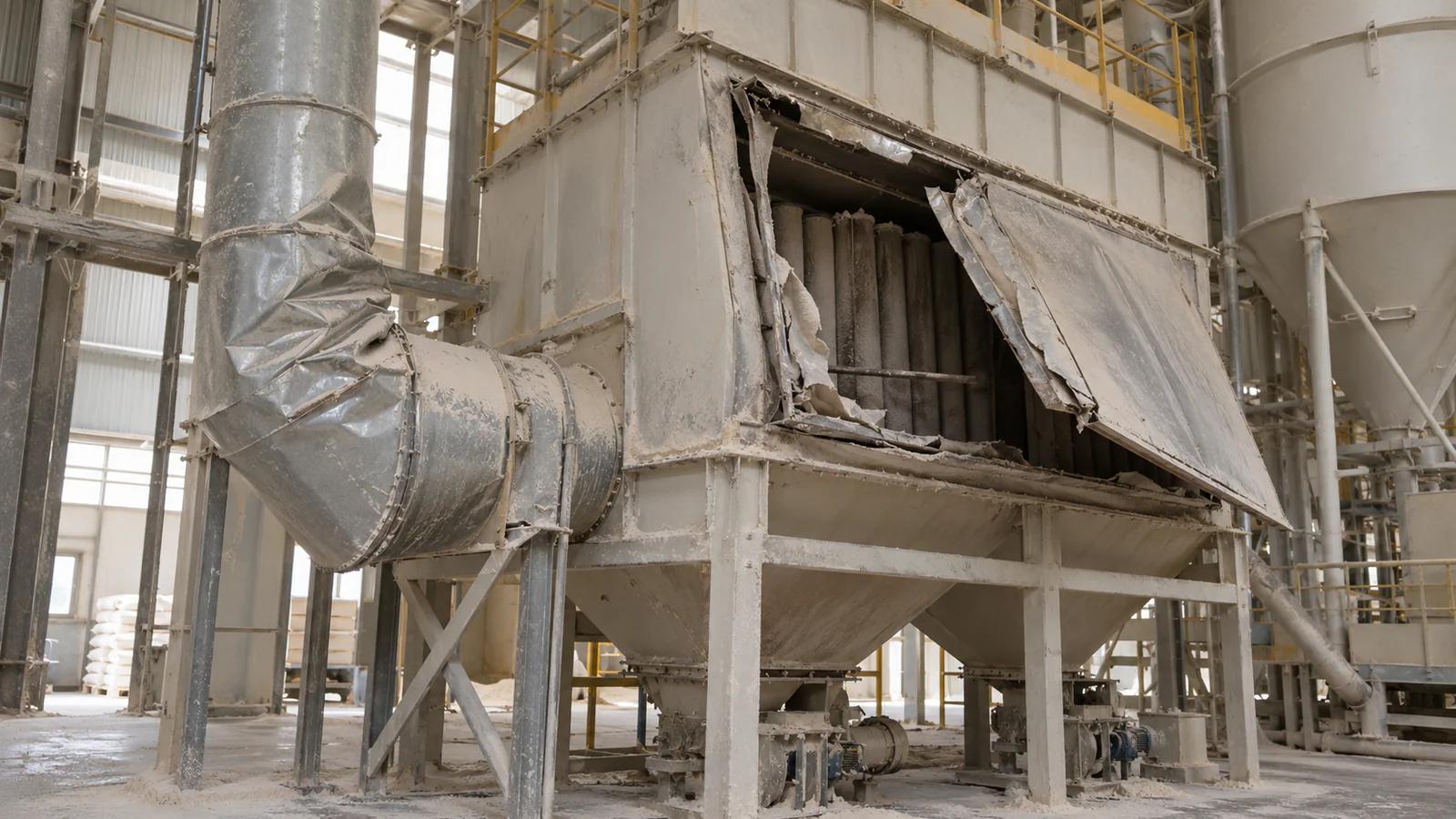
Ovens, fryers and thermal processing. Hot surface ignition where product residue or dust has accumulated near a heat source, burner and control failures, and fires that start in extraction ductwork carrying grease-laden air. LPG and fuel gas supply lines feeding these processes bring a leak and explosion hazard of their own, separate from the ignition risks around the equipment itself.

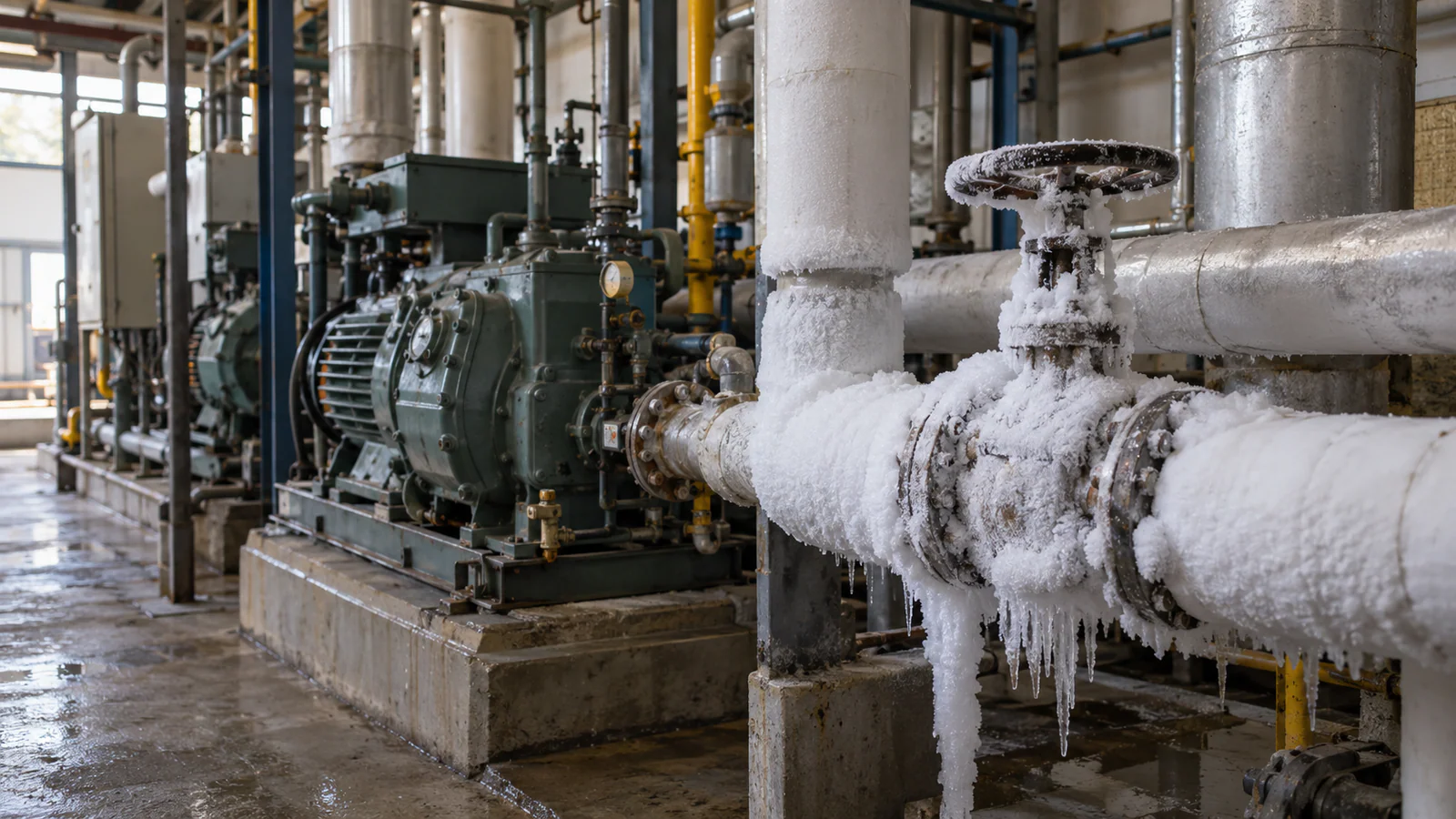
Ammonia and freon refrigeration. Compressor and valve failure, pipework and joint leaks, and pressure vessel incidents in systems that are often decades old and modified repeatedly since installation.

Cold rooms and storage. Insulation and door seal failure, refrigeration outages that go undetected until product temperature has already been compromised, and structural damage from forklift or racking collision.

Packing and beverage lines. Electrical faults in high-speed conveying and filling equipment, and mechanical failure in equipment run continuously with limited scheduled downtime.

Clean-in-place and sanitation systems. Chemical incompatibility, corrosion from cleaning agents, and contamination introduced through a sanitation failure rather than a production one.
Fire and Explosion

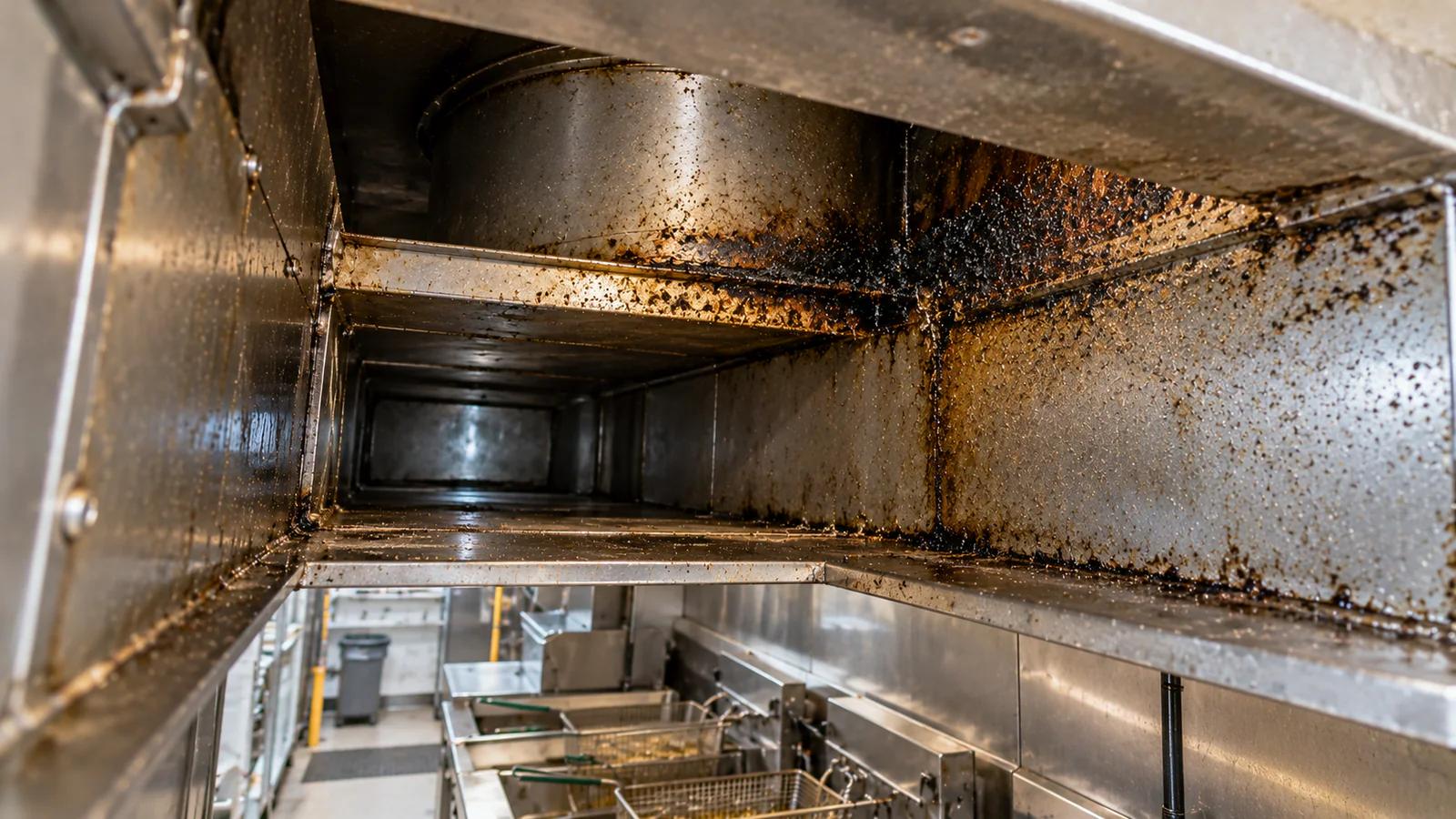
Two conditions recur in fires at food and beverage sites. The first is a hot surface near an accumulation of combustible residue. Flour dust near a heated surface. Oil residue in extraction ductwork. Crumb and product debris built up in places a normal cleaning schedule does not reach. The second is an electrical fault in equipment run for most of the day, where insulation and connections degrade under continuous thermal cycling faster than a periodic inspection catches.

Ammonia systems bring a different and more serious hazard. A release is a life-safety event before it is a property one. An ammonia refrigeration failure investigation has to establish the point of release, the condition of the pipework or vessel at that point, and whether isolation and detection systems performed as designed.

We investigate to NFPA 921 for the fire sequence. We examine extraction and ventilation system condition, and apply electrical diagnostics to equipment implicated in an ignition. Attendance soon after the event matters. Production areas in this sector are cleaned and returned to service quickly. The residue that explains an ignition source is usually the first thing removed.

Grease build-up inside a kitchen extraction duct above a fryer line
Plate 01Grease build-up inside a kitchen extraction duct above a fryer line

Failure Investigation

A refrigeration failure is rarely a single point of failure. A compressor trips. A valve does not reseat. A control system fails to alarm. The chain of small failures together produces hours of undetected temperature rise before anyone notices. Where the evidence does not permit a reliable determination, that limitation is stated.

We examine compressor and control system data, mechanical condition of valves and pipework, and the sequence of alarms, or the absence of them. The aim is to establish not just what failed but why the failure was not caught sooner. Where the question is equipment failure rather than refrigeration, the same mechanical and electrical disciplines used across industrial plant apply: bearing and gearbox examination, electrical diagnostics on drives and controls, and metallurgical work where a fracture or fatigue failure is suspected.

Damage Assessment and Restoration

A damage assessment determines the nature and extent of the damage and the appropriate repair, restoration or replacement scope, and restoration begins once the relevant evidence has been documented, preserved or formally released for work. Product loss dominates the assessment in this sector far more often than equipment damage does. A cold room outage of a few hours can destroy stock worth several times the cost of the refrigeration repair. The assessment has to establish what temperature the product actually reached, and for how long. Not simply that an outage occurred.

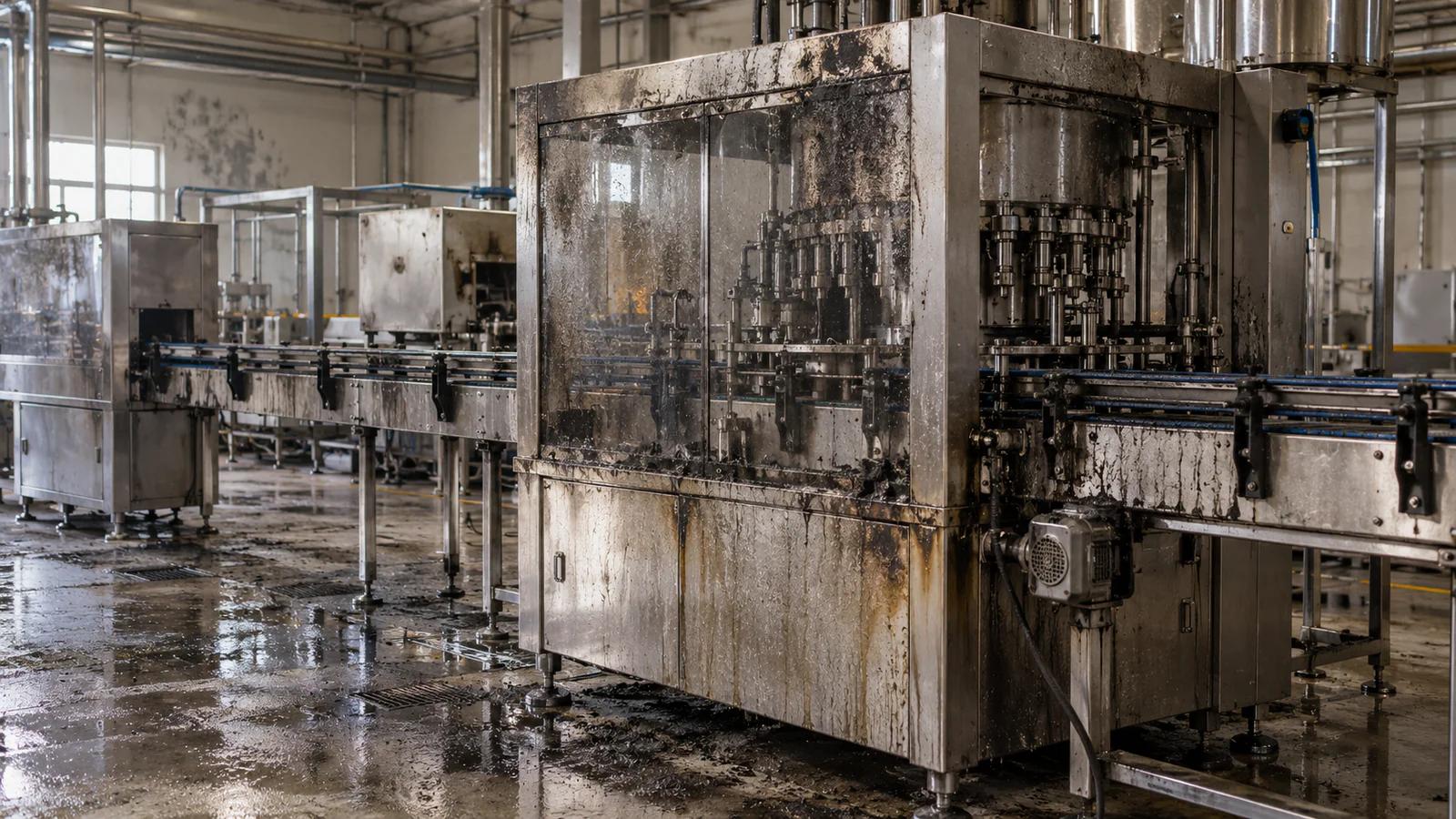
Equipment affected by smoke, ammonia or firefighting water is assessed for immediate damage and for the corrosion that follows. Food-contact equipment carries hygiene requirements beyond ordinary mechanical serviceability. Where a line can be cleaned and requalified quickly, restoration is sequenced to return production before the rest of the site is complete.

Risk Assessment

A facility risk assessment in this sector examines refrigeration system condition and monitoring, extraction and ductwork cleaning schedules against actual production volumes, and hot work and ignition source control in areas where combustible dust or residue accumulates. Ammonia systems receive particular attention. A release has serious consequences. Detection coverage, isolation valve accessibility and pipework condition at joints and penetrations all matter here. We assess the plant as it runs today. Refrigeration systems in this sector are modified and extended over many years, and the documentation rarely keeps pace.

The Work in This Sector

We investigate. Ovens, fryers, thermal oil systems, refrigeration plant, and packing and bottling lines that fail through electrical fault, mechanical wear or contamination, and the LPG, fuel gas and thermal-fluid systems that supply them. Foreign objects found in a production line, explosions and heat exchanger failures in process equipment, and structural damage such as a roof or ceiling collapse over a dryer or storage area, are all within scope. Contamination and product-safety incidents are investigated for their source and extent, drawing on the same evidence discipline used for a mechanical or electrical failure.

We assess. Equipment damaged by fire, flood or firefighting water, from a bottling line to a switchboard, assessed component by component rather than by appearance. Stock and stored product affected by heat, smoke or water is valued and separated from what remains fit for use, and any interruption to production is assessed against what the evidence actually supports, not against an assumed worst case.

We restore. Ovens, mixers, packing and bottling machinery, and switchboards and electrical equipment, can be decontaminated and returned to service once released for work, alongside sanitisation, odour treatment and contents restoration for carpet, flooring and furnishings in affected areas. Product-contact equipment is restored to the hygiene standard the sector requires, not only to mechanical serviceability.

We survey before a loss. Refrigeration, extraction, hot work and ignition-source control reviewed against actual operating volumes, and electrical installations surveyed by infrared thermography to catch a degrading connection before it fails. Hazard analysis at critical control points, and hygiene and regulatory compliance checks, sit alongside the mechanical and electrical survey that identifies where a line is most exposed.

What Decides These Cases

Product contamination is judged on evidence, not assumed from an incident occurring nearby. A refrigeration failure or a fire in one part of a facility does not automatically mean every batch on site is compromised. The assessment establishes which product was actually exposed, to what condition and for how long, before a contamination claim is either supported or limited.

Refrigeration monitoring and alarm records usually decide whether an outage was a design or maintenance failure, or was simply undetected through no fault of the system. That distinction moves the largest sums in this sector.

Where a fire is involved, the condition of extraction ductwork and the housekeeping standard applied to it typically decides whether the ignition source was foreseeable.

Common questions

Working in food and beverage manufacturing

24/7 response

A loss in food and beverage manufacturing?

Tell us what failed. You will get an engineer who has seen it in this sector, not a general enquiry form.