Approved Group International
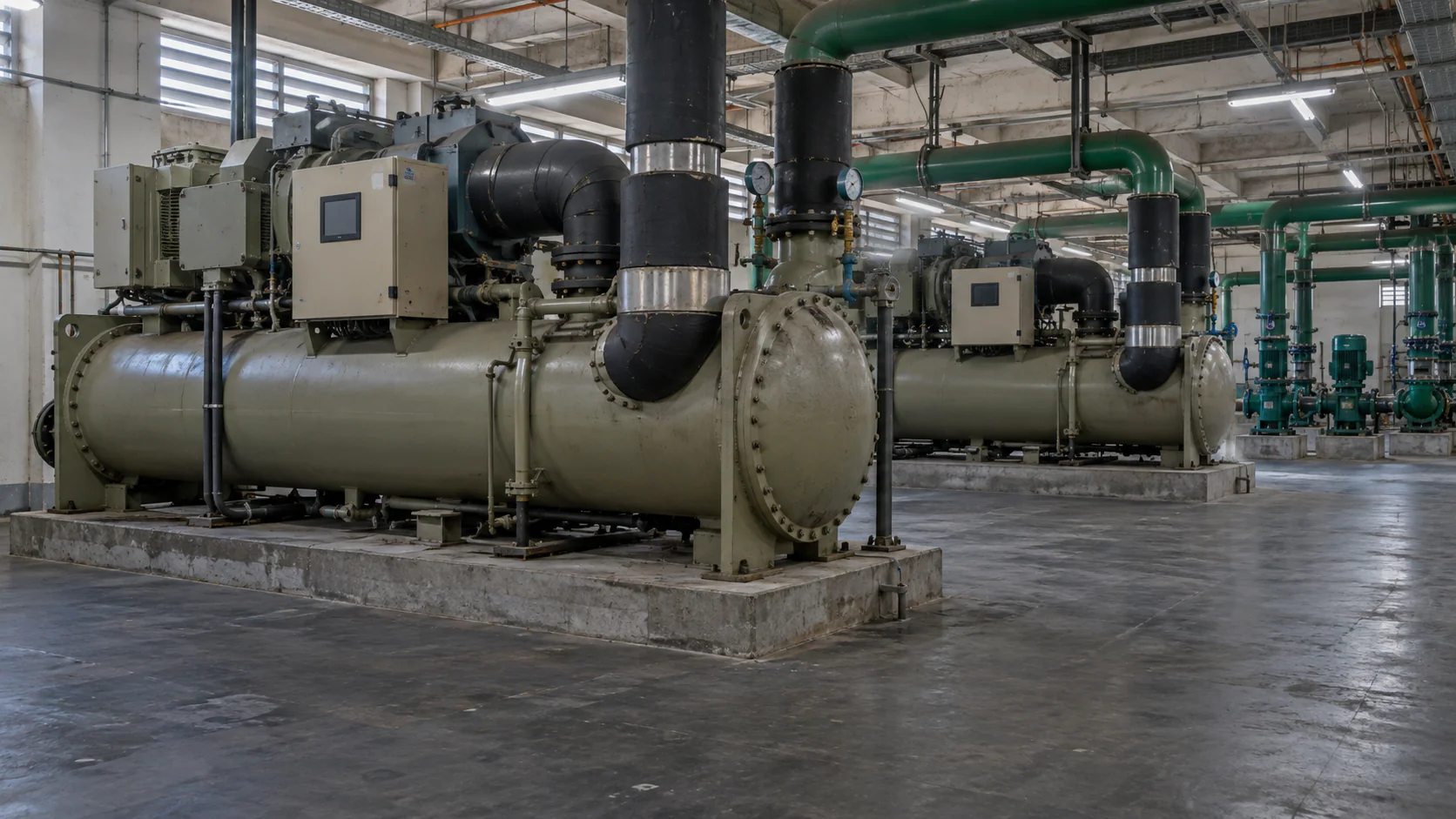
Hotel central plant room with water-cooled chillers and pipework

Findings · Hospitality and leisure

Hospitality and Leisure: what fails and why

What fails in hotels and resorts, from kitchen and electrical fires to pipe bursts and lift flooding, how each is decided, and what restores. From our casework.

36%
Losses originating as escape of water
48h
Window before mould becomes active
5
Restoration specialisms typically engaged

The ranking

What came up most

Ordered by share of the casework reviewed. The top two account for more than half of it.

  1. 01

    Escape of water across multiple floors

    36%

    A small failure distributed by the building's own structure.

  2. 02

    Drying declared on schedule, not on readings

    24%

    The most common cause of a second claim on the same loss.

  3. 03

    Kitchen and plant room fire

    18%

    Extract systems carry it further than the compartment allows for.

  4. 04

    Contents written off without triage

    12%

    Soft furnishings and FF&E recoverable at a fraction of replacement.

  5. 05

    Closure driving the claim

    10%

    Lost room nights exceed the cost of the physical reinstatement.

The Assets That Fail

Lifts and escalators appear more often than any other single asset class in the cases reviewed. Part of that is exposure. A property with many floors has that many floors of shaft and pit for water to find. Part of it is consequence. A guest lift out of service in a high-rise hotel is noticed immediately, by everyone.

Carpet and soft furnishings follow closely. Almost always, they are the visible endpoint of a water event that started somewhere else. Behind them sits back-of-house electrical distribution: switchboards, distribution boards, capacitor banks and the transformers that feed them. Kitchen and laundry plant recur too, driven by long duty cycles and sustained heat. Chillers and generators round out the list. More often, these are investigated for why they failed under load than for how they were damaged by something else. IT and server rooms appear less often on their own. Most are swept into a wider mechanical and electrical services loss rather than failing in isolation.

How They Fail

Water ingress is the dominant mechanism across the cases reviewed, by a wide margin. It accounts for more instances than every other mechanism combined. A pipe joint fails. A chilled water riser is overpressured. A sprinkler head discharges, or works elsewhere in the building breach a line that was never meant to be touched. The water does not stay where it started. It travels down risers and through ceiling voids. By the time staff find it, several floors below the source are often already affected.

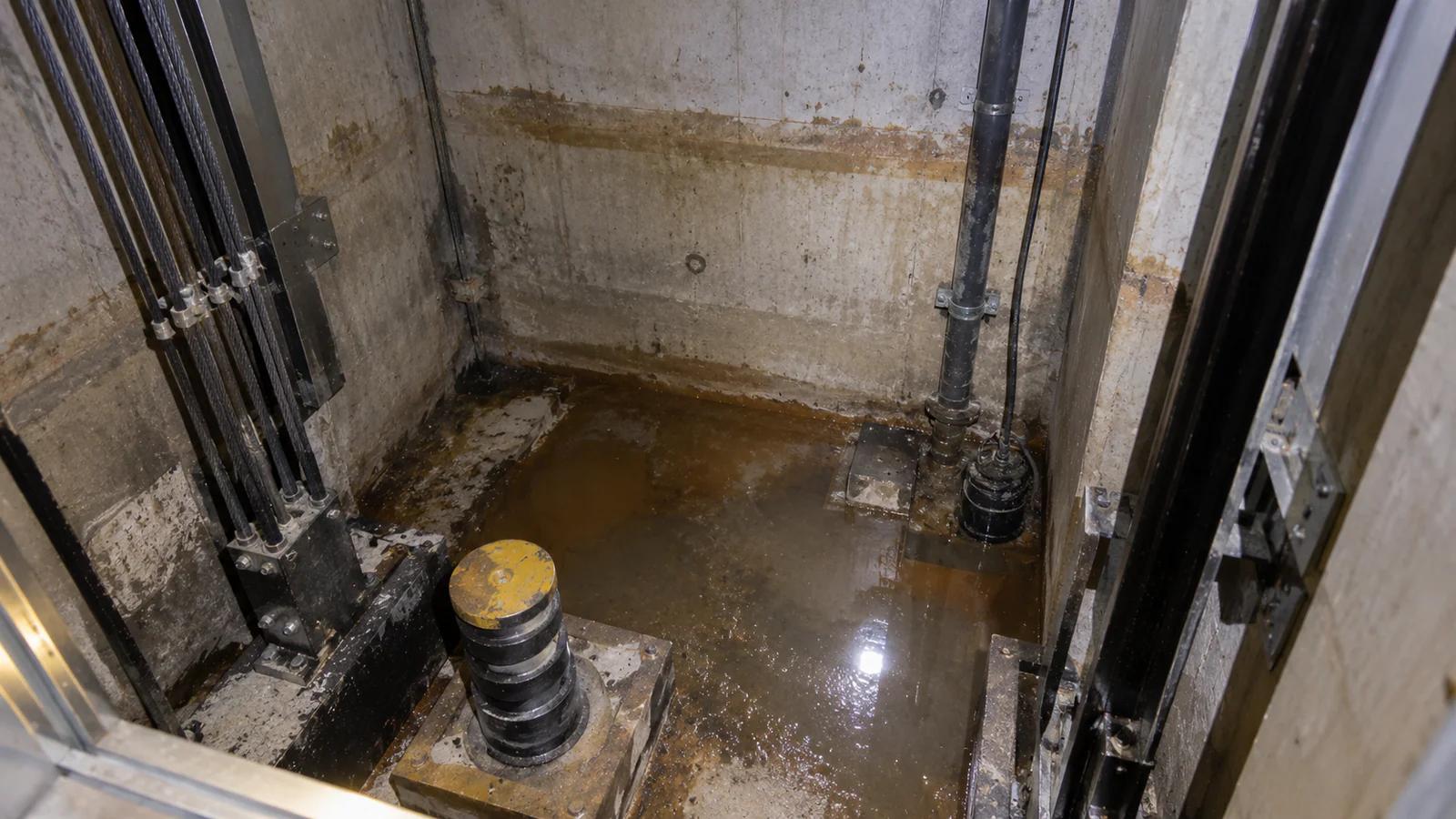
Lift shafts and pits are a frequent destination. An engineer establishes whether water entered from above, through the shaft, or from below, through pit drainage that could not keep up. The pit floor, the shaft walls and the staining pattern on the guide rails carry that answer. Controllers and circuit boards are examined for corrosion consistent with the timeline claimed. Corrosion product takes time to form. A board showing advanced corrosion within days of a reported event raises a question the physical record has to answer.

Electrical failure is the next most frequent mechanism, running from loose or degraded connections through to arcing and flashover in switchgear and distribution boards. Thermal imaging, where available beforehand, shows a hot connection developing before it fails. After the event, the engineer examines the contact surfaces themselves. Pitting, discolouration and metal loss tell a different story from a clean break. Protection settings are checked against whether the breaker or fuse operated as designed. A transformer failure is approached the same way: internal inspection, review of protection relay records, and testing of the insulating oil where the transformer type allows it.

Lightning and surge damage recur in laundry and lift electronics specifically. The investigation considers the route by which a surge could have entered the affected circuit and travelled to the damaged component. That route is checked against recorded lightning activity for the location, date and time, where records exist. A washer-extractor control board with surge damage and a lift circuit board with surge damage, in the same building, on the same day, is a materially different finding from either appearing alone.

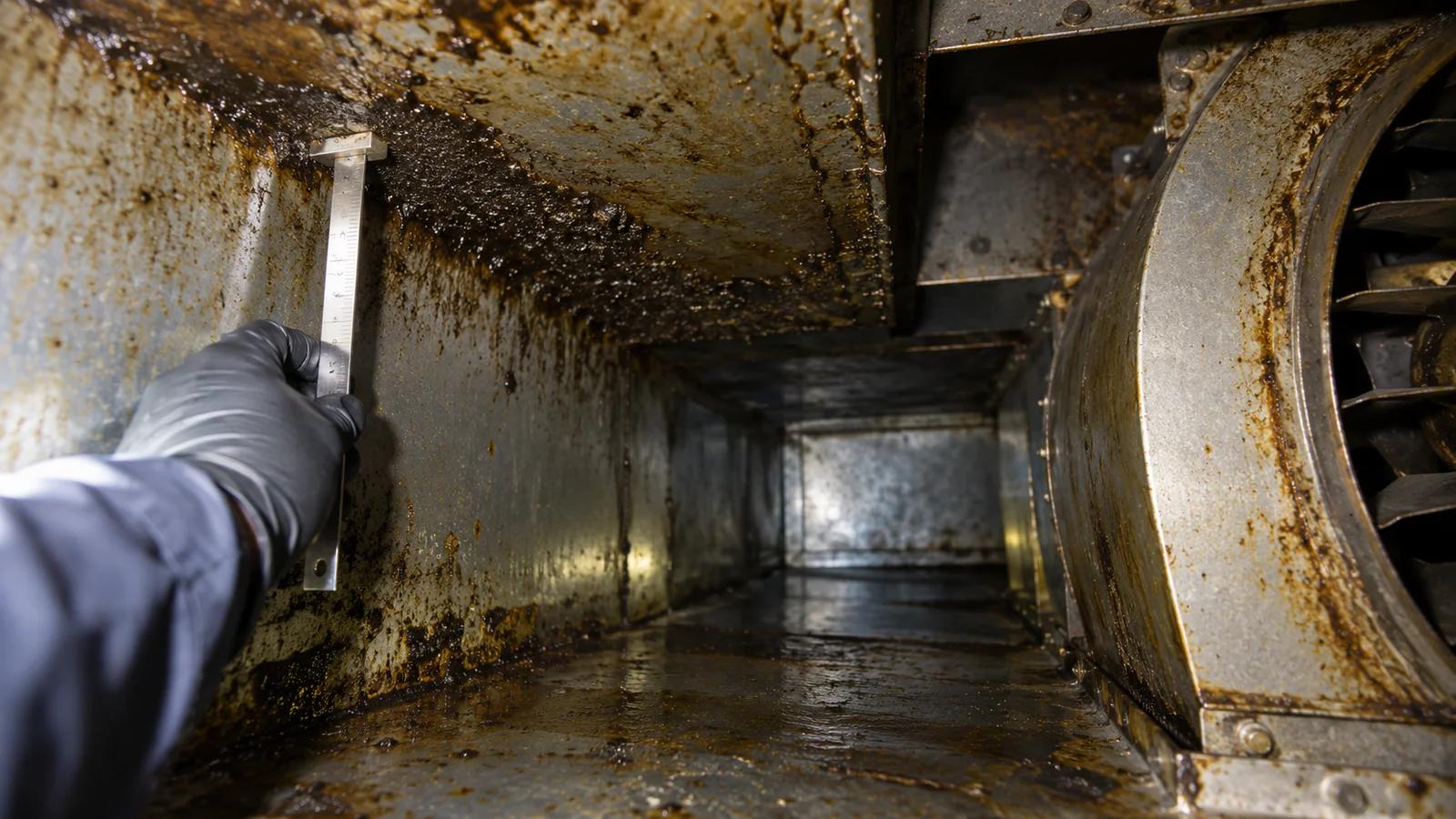
Fire origin work in this sector concentrates on kitchens: cooking apparatus, extraction ductwork and, less often, plant and generator rooms. Grease accumulation inside extraction ductwork is measured, and its depth and location recorded. Grease is the fuel path a kitchen fire uses to spread beyond the equipment where it started. The scene is examined before it is disturbed. Fire spread is mapped through the ductwork and structure. Every plausible ignition source in the space is tested against the evidence: the equipment, the installation, something brought into the room. None is assumed from what looks most likely on arrival.

A smaller number of cases turn on damage that does not match the mechanism first reported. A pattern inconsistent with the circumstances described. Contamination pointing to a different source than the one first suggested. These are a minority. They are also the cases where the evaluation-and-elimination method matters most, because the working theory and the physical evidence disagree.

Lift pit with standing water and a water line on the shaft wall
Plate 01Lift pit with standing water and a water line on the shaft wall

What Made the Loss Bigger Than It Needed To Be

A small set of contributing factors recur, and none of them is the water, the fire or the fault itself.

The most common is timing. Assessment that happens after a repair, rather than before it, loses the evidence that would have shown how the damage occurred and how far it extended. In some cases reviewed, the record available was limited to photographs taken after the affected item had already been replaced, or a quotation issued without a full report. Evidence of intervention outweighed evidence of cause.

Moisture left inside electronic components is the second. A board that dries on the surface can still carry contamination inside a connector, or under a component. That produces a second, delayed failure weeks later. It looks unrelated to the first event unless someone is looking for the connection between them.

Restoration started before the relevant evidence was documented, preserved or formally released for work is the third. It is not always avoidable. A property with rooms out of service is losing revenue on every one of them, every night, and drying has to start quickly to avoid a bigger, slower loss from mould. But where restoration and investigation are not coordinated by one team, evidence and urgency compete. One of them loses.

What Is Restorable and What Is Not

The decision is made on evidence, not appearance. A carpet that looks dry on the surface may have saturated backing and underlay that will not pass a moisture or contamination test. A control board that looks intact may show corrosion beginning inside a connector that a visual check would miss entirely.

Lift and escalator electronic components, meaning controllers, circuit boards and door contact assemblies, are among the least often restored once water or a surge has reached them. The failure mode that follows corrosion is delayed, and hard to warrant against with confidence. Switchgear and distribution equipment fare better where it is decontaminated and requalified promptly, before corrosion has time to establish, against the manufacturer's own tolerances rather than a general rule. Carpet and soft furnishings split largely on contamination class and how long the material sat wet before drying began. Kitchen equipment contaminated by smoke or firefighting water is usually decontaminated or replaced against the manufacturer's specification. Not by a blanket salvage rule applied to the whole kitchen.

What a Pre-Loss Survey Would Have Found

Most of the mechanisms above leave a warning before they produce a loss, and a pre-loss survey is built to find it. Riser and pipework condition. The age and material of the joints most likely to fail. Switchroom condition, including thermal imaging that finds a connection heating up before it arcs. Lift and escalator pit drainage, checked against the water a shaft is actually likely to see in a real event, not a theoretical one. Kitchen extraction cleaning records checked against the grease accumulation actually found on inspection. Generator and chiller condition against their own service history, not an assumed replacement schedule.

None of this is exotic. It is the same discipline used after a loss, applied before one, looking for the same evidence.

Method Note

The cases drawn on for this report were reviewed across forensic investigation, damage assessment, restoration, lift and escalator audit and risk assessment engagements for the hospitality and leisure sector, restricted to records with a completed report or a comparable written finding on file. Preliminary and desktop-only records were treated separately. They are not the basis for the patterns reported here. Mechanisms drawn from the wider field, rather than from this firm's own casework, are identified as such in the text above. Where the evidence did not permit a reliable determination in an individual matter, that limitation was recorded rather than resolved into a conclusion the evidence could not support. This report reflects the archive as reviewed on 25 September 2026. That archive is a partial record of the firm's work in this sector, not its complete book. The cases were reviewed across the 27 countries in which the work was completed. The identity of the instructing party does not alter the method applied or the findings reached. Where the evidence does not permit a reliable determination, that limitation is stated.

Grease build-up measured inside a commercial kitchen extraction duct near the fan
Plate 02Grease build-up measured inside a commercial kitchen extraction duct near the fan

24/7 response

Does this match what you are looking at?

If the pattern fits, the next step is an engineer on site. If it does not, that is worth knowing early too.