What Fails in Commercial Property and Strata
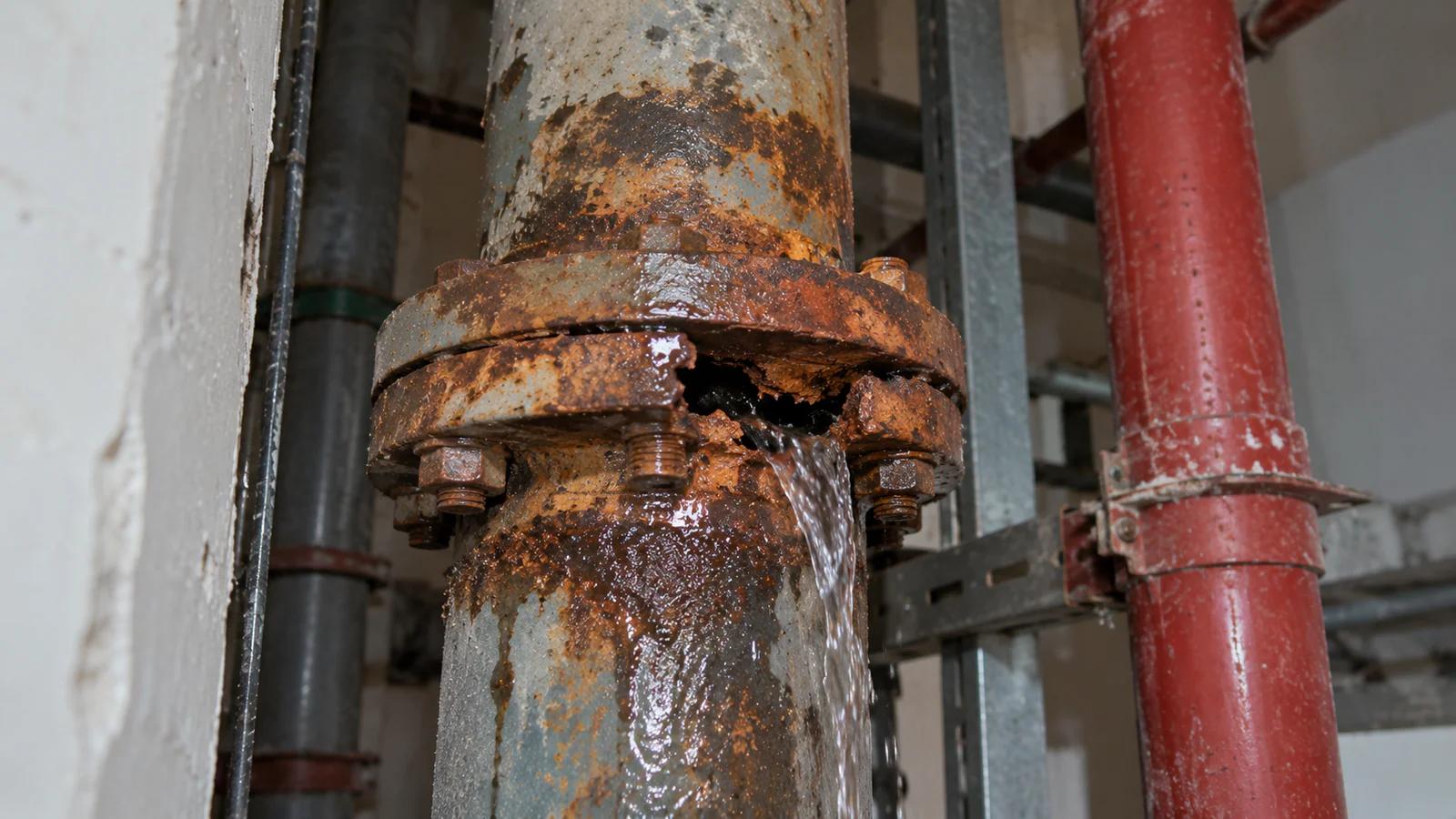
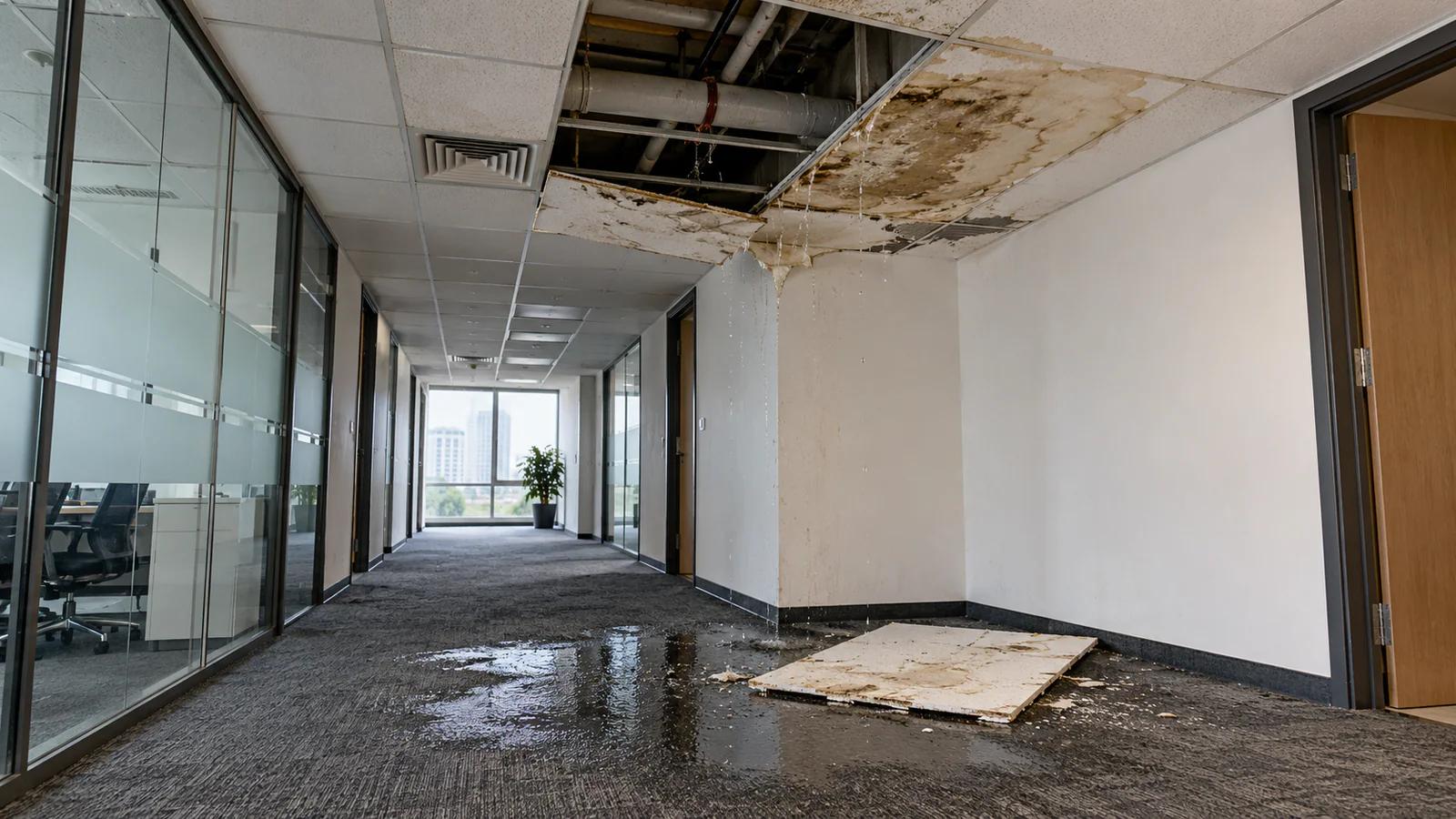
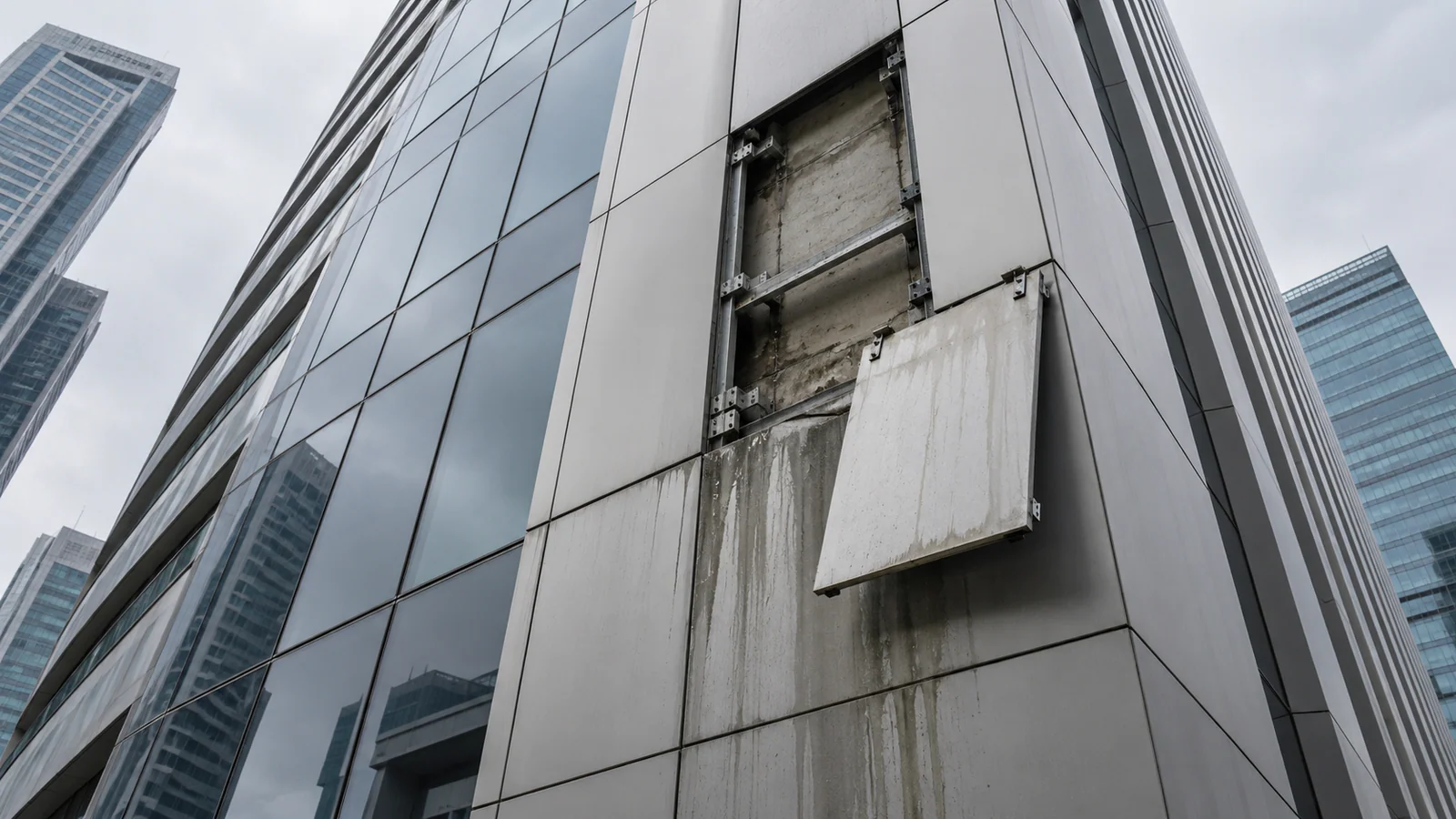
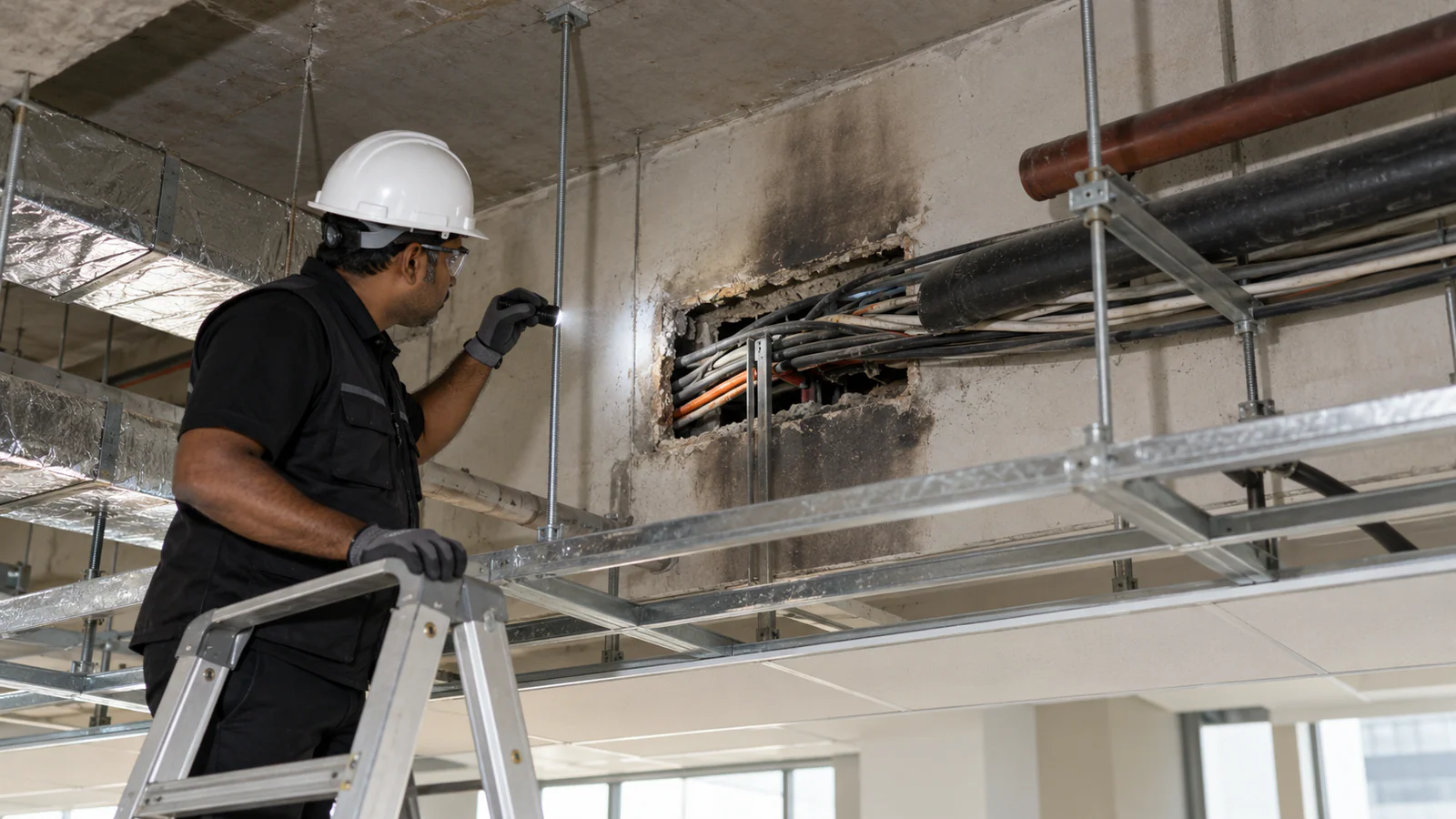
Water is the dominant recurring loss in this sector. Waterproofing fails at roofs, podiums and wet areas. Risers corrode or come under too much pressure. Drainage is blocked or simply undersized. All of it produces the same result: water finding its way into units below and beside the point of failure, sometimes for months before a stain or a smell gives it away. Facades develop their own problems, particularly at movement joints, sealant and cladding fixings, where age and weathering allow water past a barrier that was never meant to be permanent. Ground movement beneath a tower's foundations can produce the same cracking and distress that becomes visible first in slabs and facades above it.
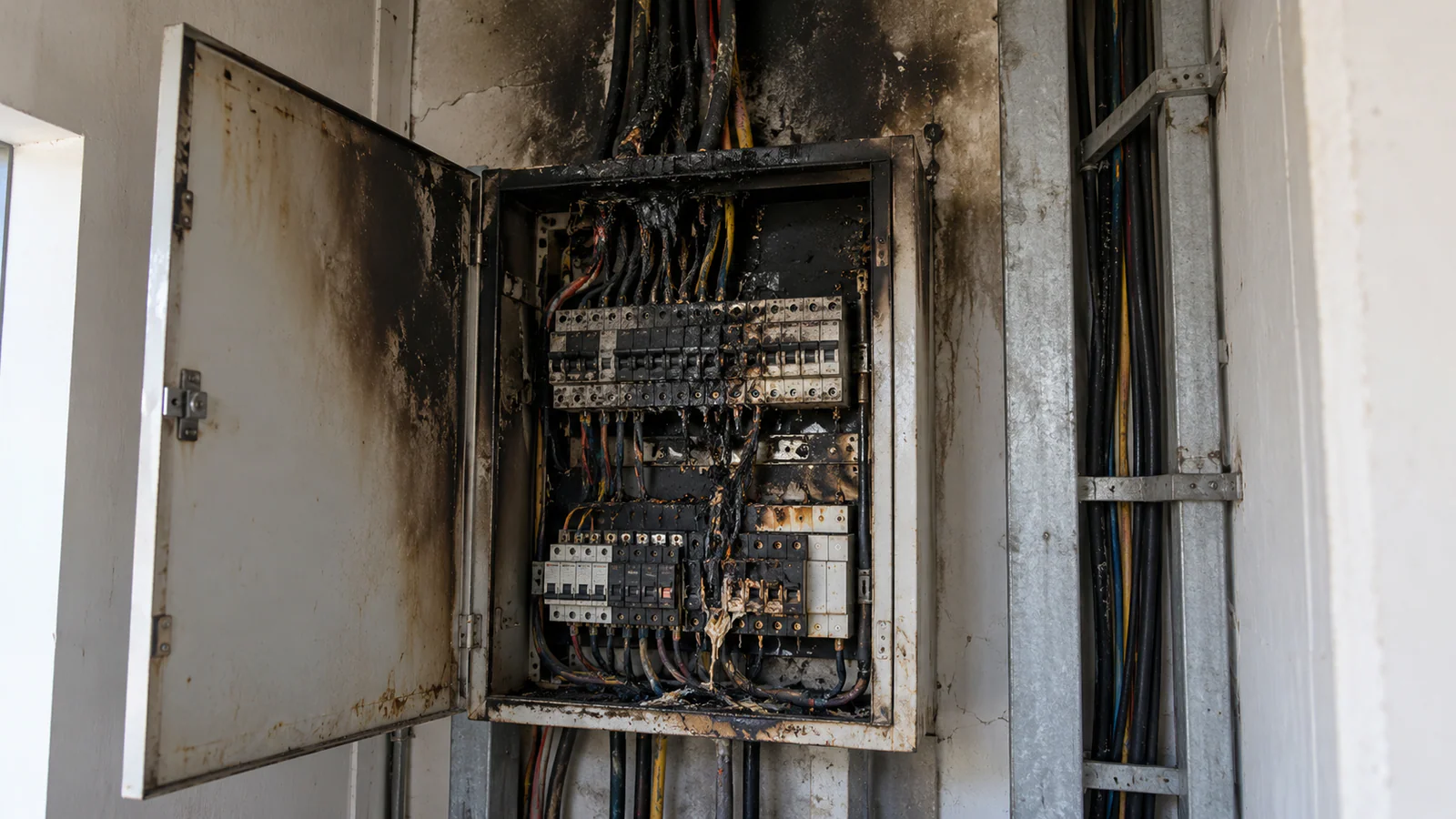
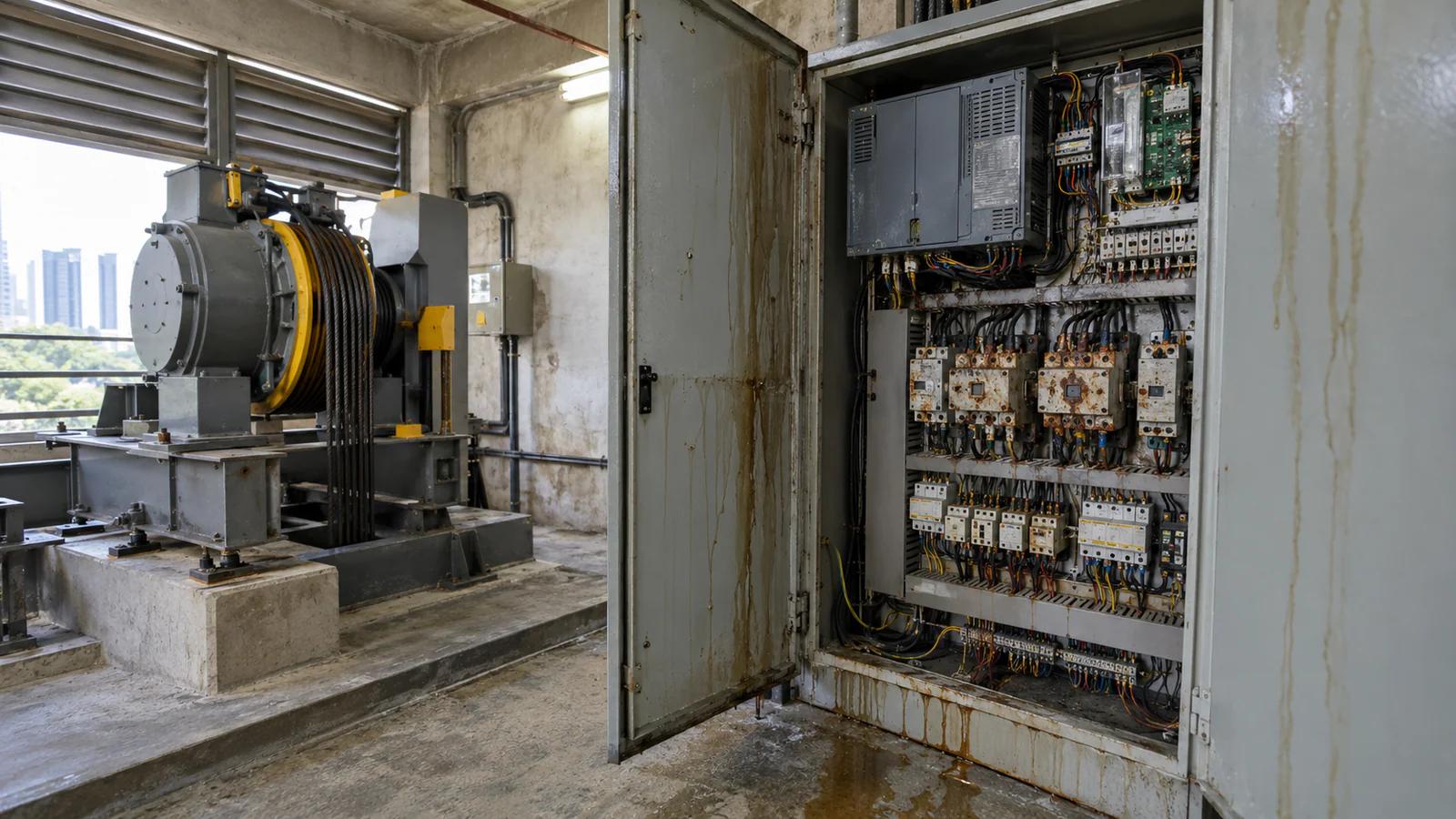
Lifts and escalators are the second major category. In a high-rise building they are not a convenience. They are critical infrastructure. A failure stops residents or office workers reaching their floor. In the worst cases, it traps someone inside. Lightning is a third, less constant but recurring exposure. It reaches building management systems, lift controllers and standby generators through the electrical and data infrastructure a modern tower depends on. The damage is frequently more extensive than the visible strike point suggests.