What Fails in Residential High-Rise and Strata
Water reaching a lift shaft, motor room or pit is the single most frequent loss in this sector, more common by a wide margin than fire. The source is rarely the lift itself. A pipe burst, a blocked drain, a failed waterproofing membrane, or water tracking down a riser, finds the lowest point in the building. A lift shaft is very often that point. The damage can affect one lift, or, where risers and shafts run together, several across multiple blocks at once.
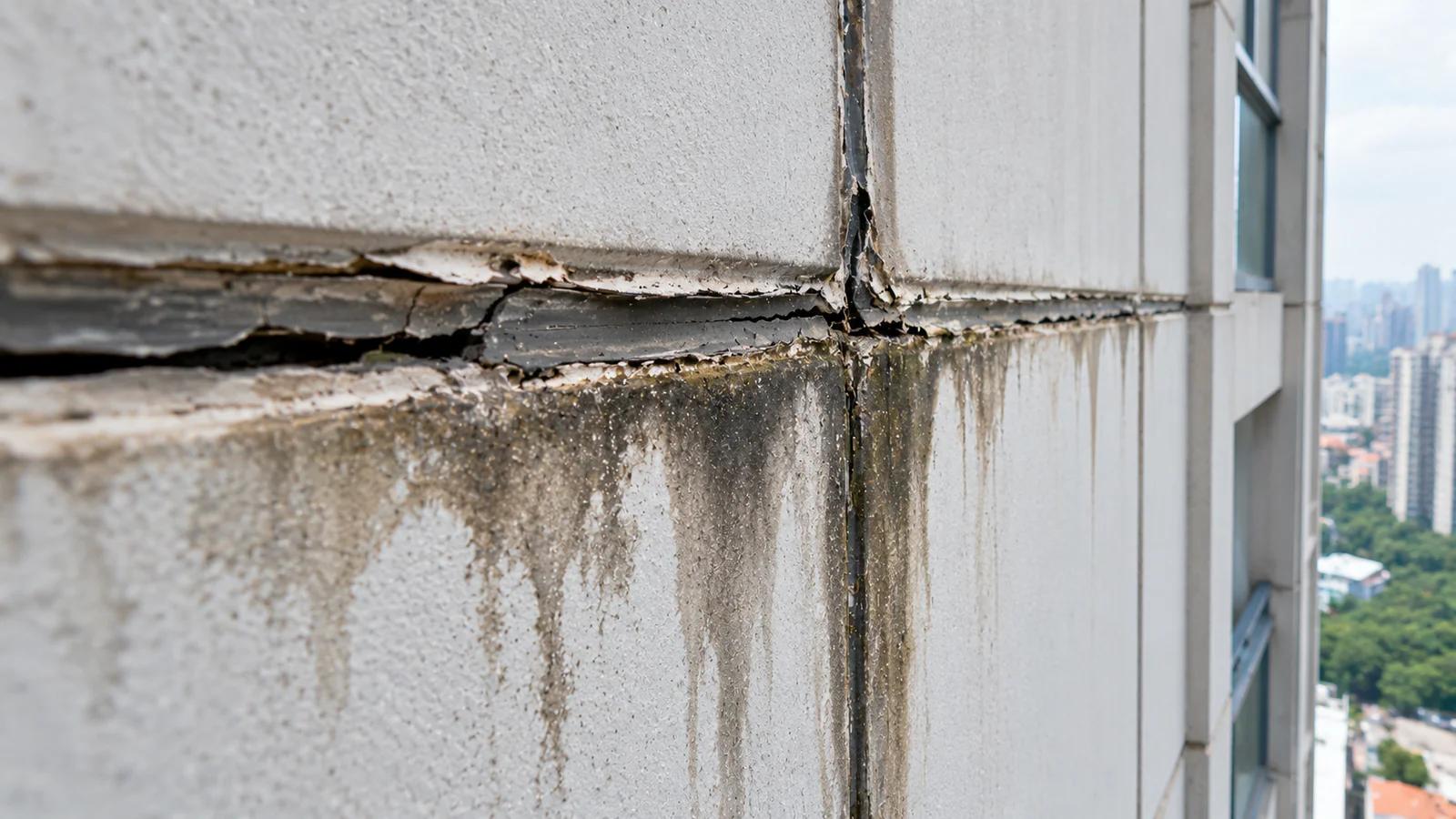
Lightning and surge form the second major exposure. A strike or an induced surge on the incoming supply reaches controllers, drives and circuit boards with disproportionate frequency, because machine rooms sit high in a tower's electrical distribution, close to its most exposed point. Fire in a unit or a common area, a car park, a switchroom, tests the compartmentation between units and between common and private space. Spread often turns on whether that compartmentation was maintained as designed. Facade and structural issues at movement joints develop slowly, and are more often found on inspection than reported as an incident.