What Fails in Retail and Shopping Malls
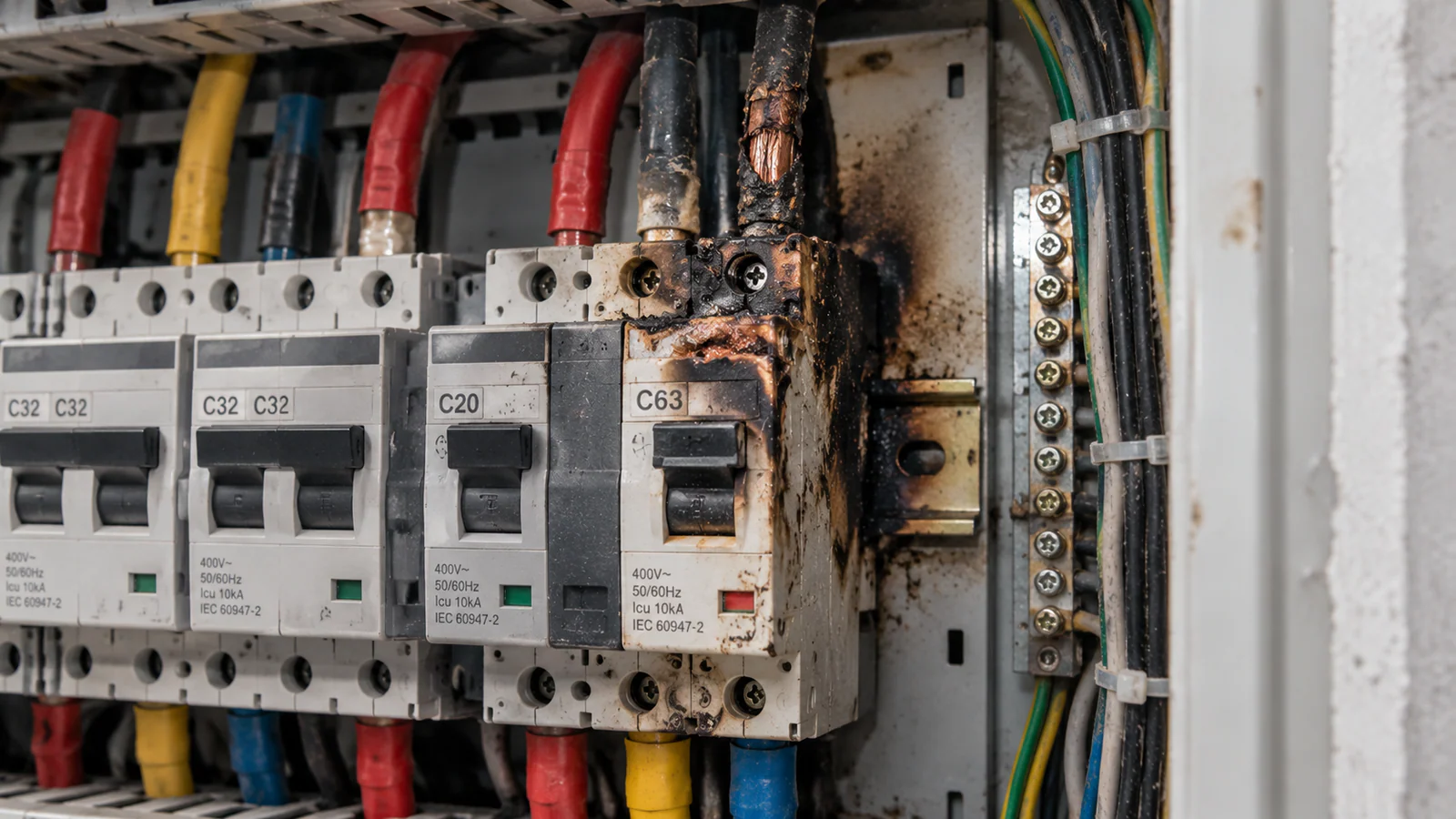
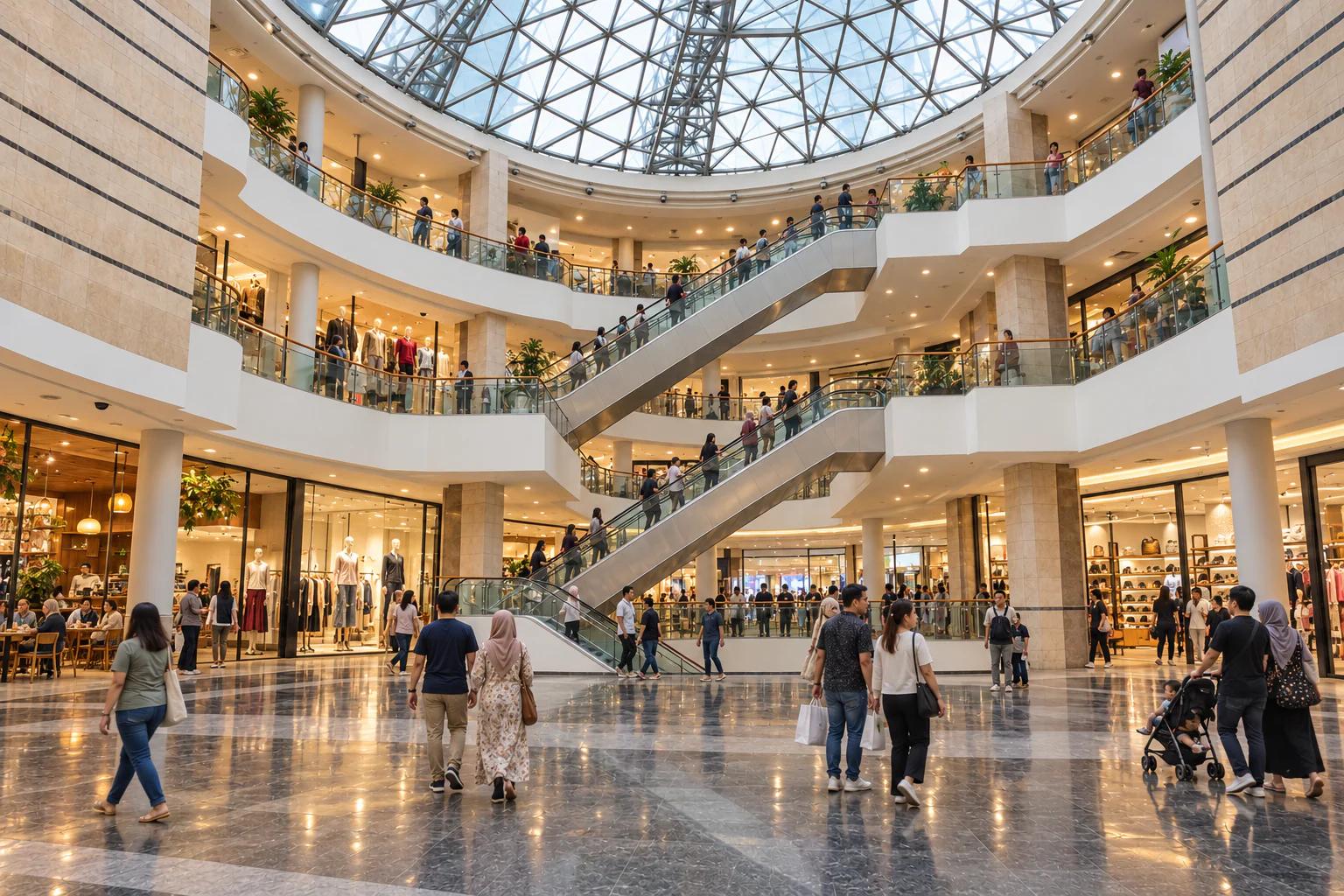
Electrical distribution is the most common origin. Malls run long trading hours on dense, aging circuits. These are shared between a landlord's base building systems and dozens of tenant fit-outs, added and altered over years, often by different contractors working to different standards. Escalators and lifts carry heavy daily footfall. They fail both mechanically and electrically, and in a mall their failure is immediately visible to every shopper on the floor. Car park ventilation and smoke extraction systems matter more here than almost anywhere else. They determine whether a fire stays contained to one unit or spreads smoke through the building before anyone can evacuate it.
Back-of-house areas carry their own risk. Loading docks, refuse rooms, plant rooms and tenant storerooms are packed with combustible stock and often poorly monitored. A fault in one of them can run for hours before it is noticed. That is well past the point where early intervention would have limited the damage. Roof and structural deterioration, particularly at rooftop plant support and ageing waterproofing, is a slower risk that can go unnoticed for years before it fails outright.