
Approved Group International
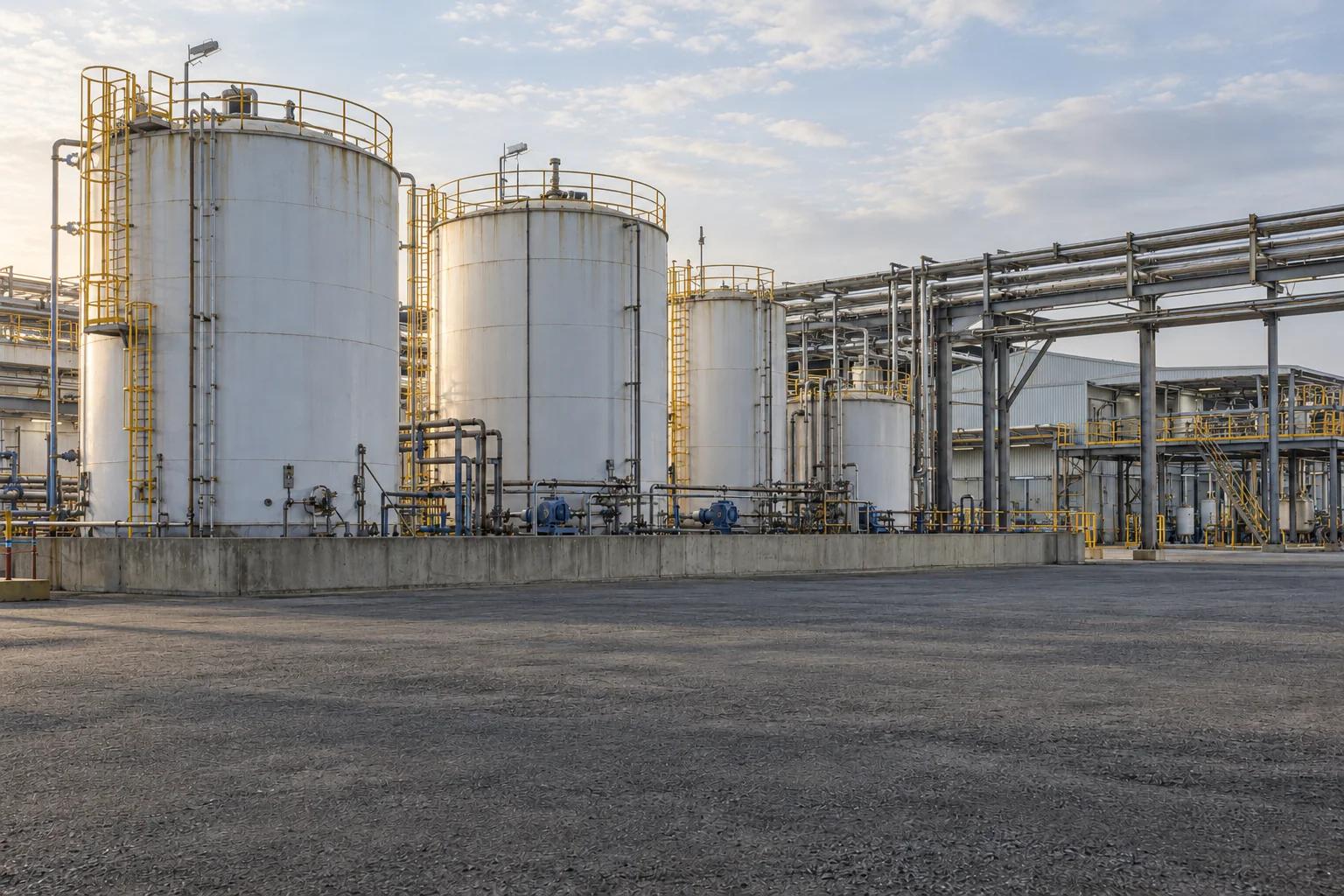
Chemical plant with large storage tanks and pipe racks

Energy and process

Chemicals, Plastics and Rubber

AGI investigates, assesses and restores loss across the plants that make and process chemicals, plastics and rubber.

Energy and process

What we are called to in chemicals, plastics and rubber

Fire, failure investigation, damage assessment, restoration and risk assessment for chemicals, plastics and rubber operations, by the engineers who investigate the losses.

  • Fire and Explosion Investigation
  • Fire Risk Assessment
  • Mechanical and Materials Failure Investigation
  • Electrical Risk Assessment
4
Disciplines on a typical major loss
72h
Window for evidence on a live plant
27
Countries served
1986
Year AGI was founded

What fails here

Five mechanisms behind most of the loss

Select one to see what happens, what settles it evidentially, and which discipline handles it.

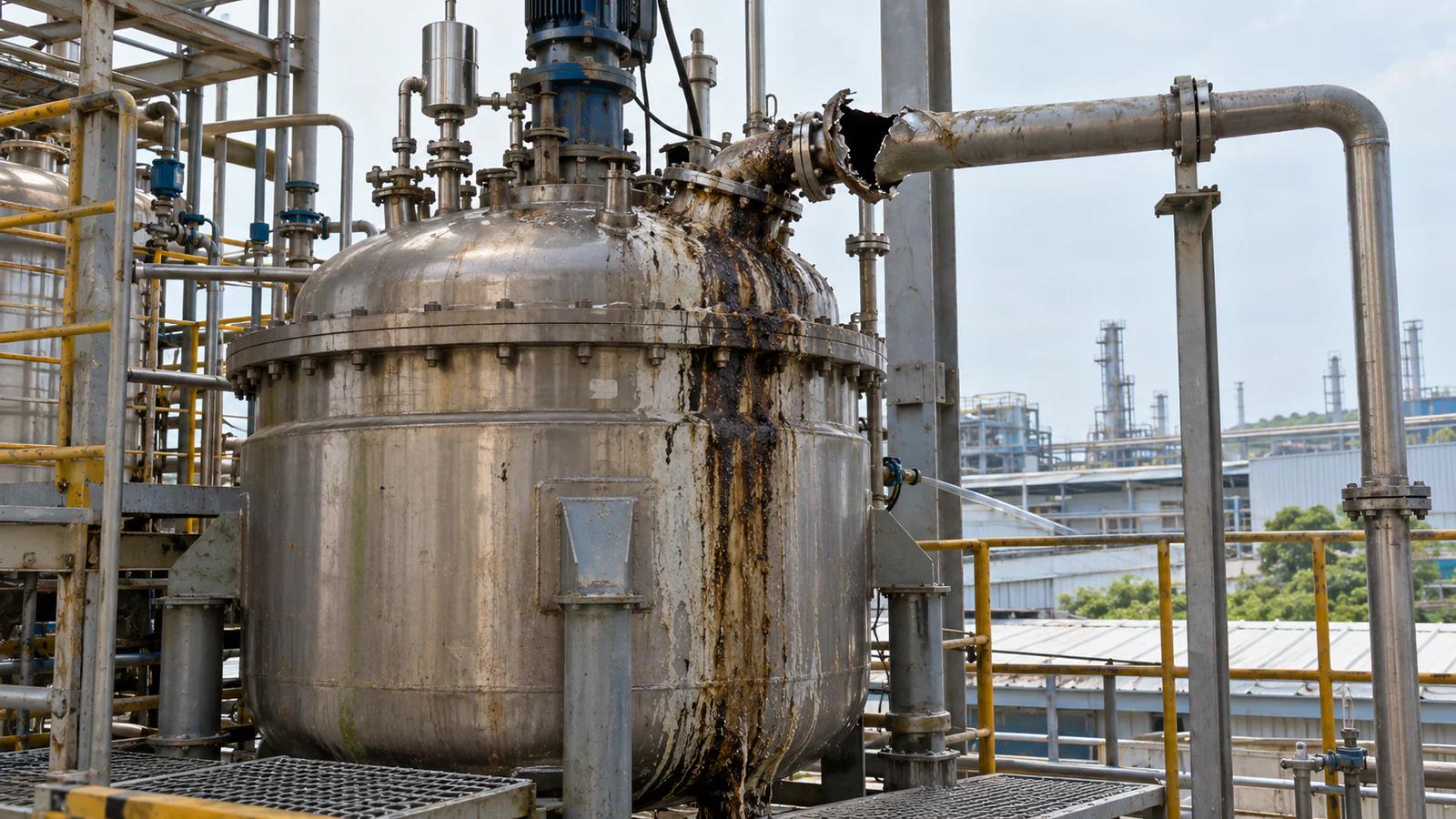
Batch reactor on an operating platform with a ruptured relief vent line and residue down the vessel

Runaway reaction

What happens

Exotherm exceeding the cooling capacity, usually after a charging error, an agitation loss or a cooling failure nobody caught.

What settles it

Batch records, temperature trend and calorimetry on the reaction system. The trace almost always shows the divergence point.

Fire and Explosion Investigation

The first fortnight

What is recoverable is decided early

A loss in this sector follows a predictable clock. Most of the difference between a recovered asset and a written-off one is made before anyone has agreed who pays.

  1. Hour 0–8

    Contain

    Make safe and contain runoff. Containment decisions here determine whether a third-party claim follows.

  2. Hour 8–72

    Preserve

    Secure batch records and control data, and sample residues before weather removes them.

  3. Day 3–21

    Analyse

    Calorimetry, materials testing and reconstruction of the process sequence.

  4. Week 4+

    Report

    Cause, contributing factors and the control that would have interrupted the sequence.

What Fails in Chemicals, Plastics and Rubber

Failure here rarely stays confined to the equipment where it starts.

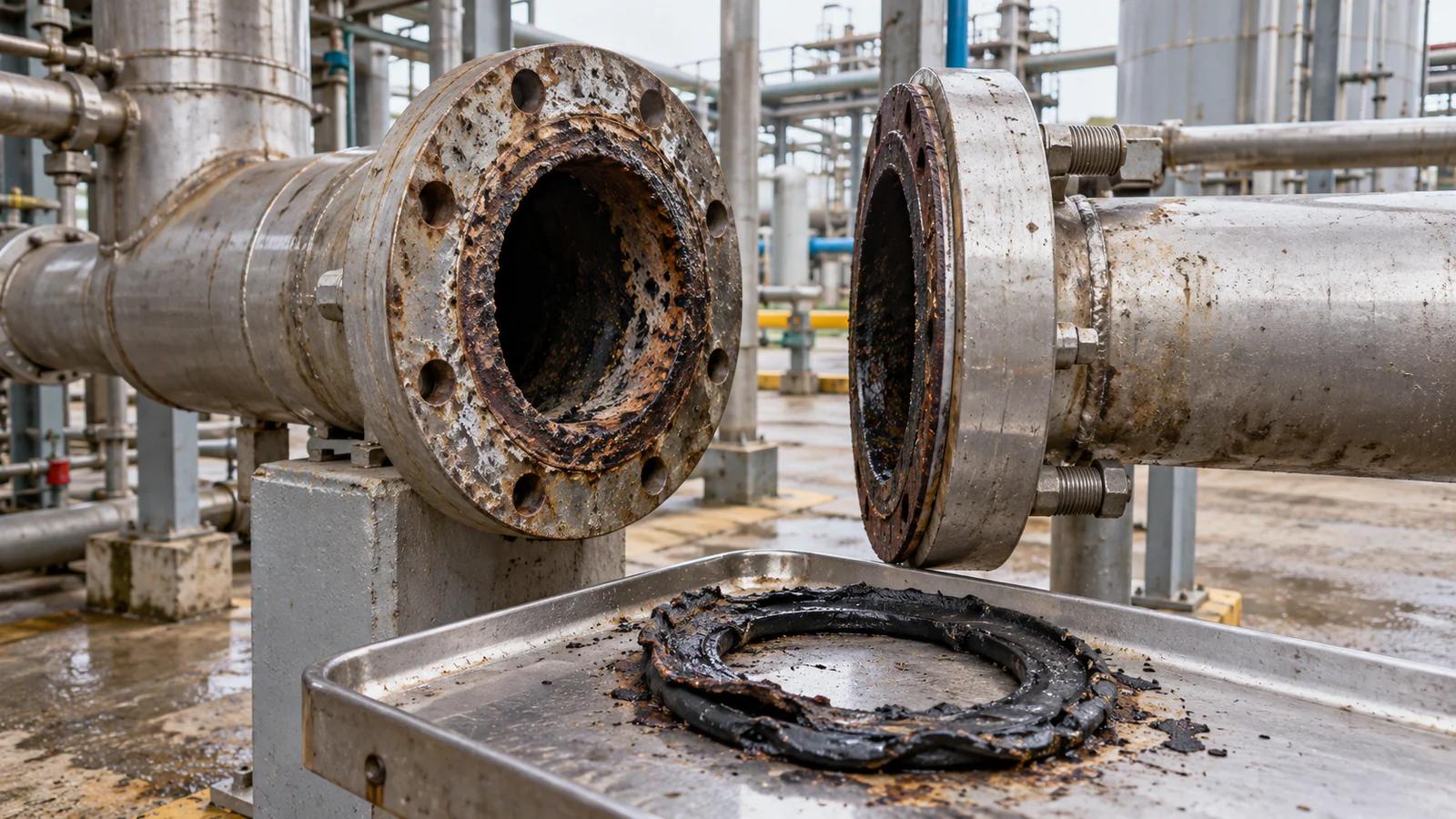
Reactors and mixing vessels. Overpressure from a runaway exothermic reaction. Agitator seizure. Mechanical seal failure that releases solvent vapour into an enclosed area. A vent or relief system sized for the wrong scenario is a recurring finding.

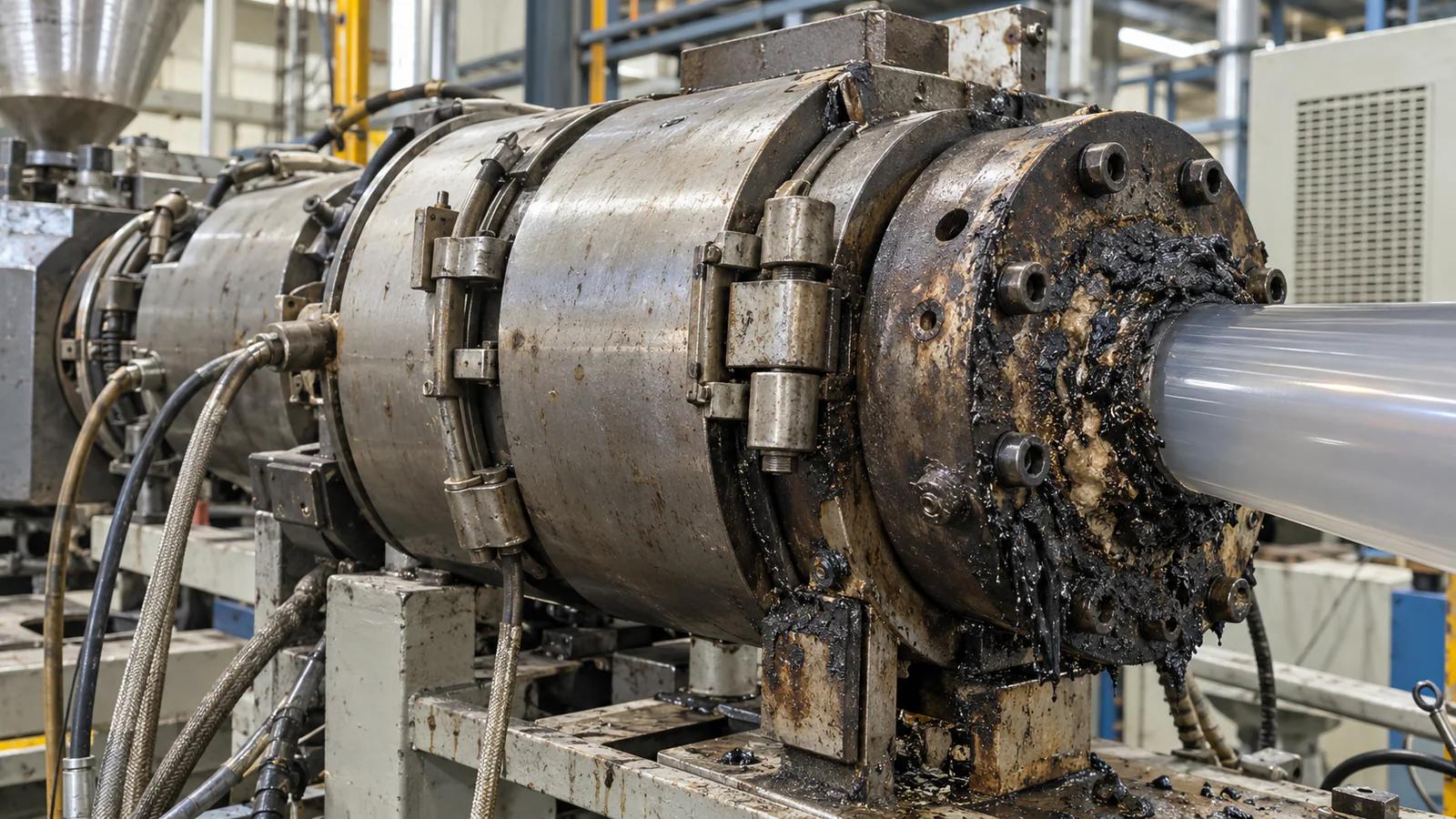
Extrusion and injection moulding. Screw and barrel wear, hydraulic fires from a failed hose or fitting, and heater band faults that ignite residual polymer built up around a die.

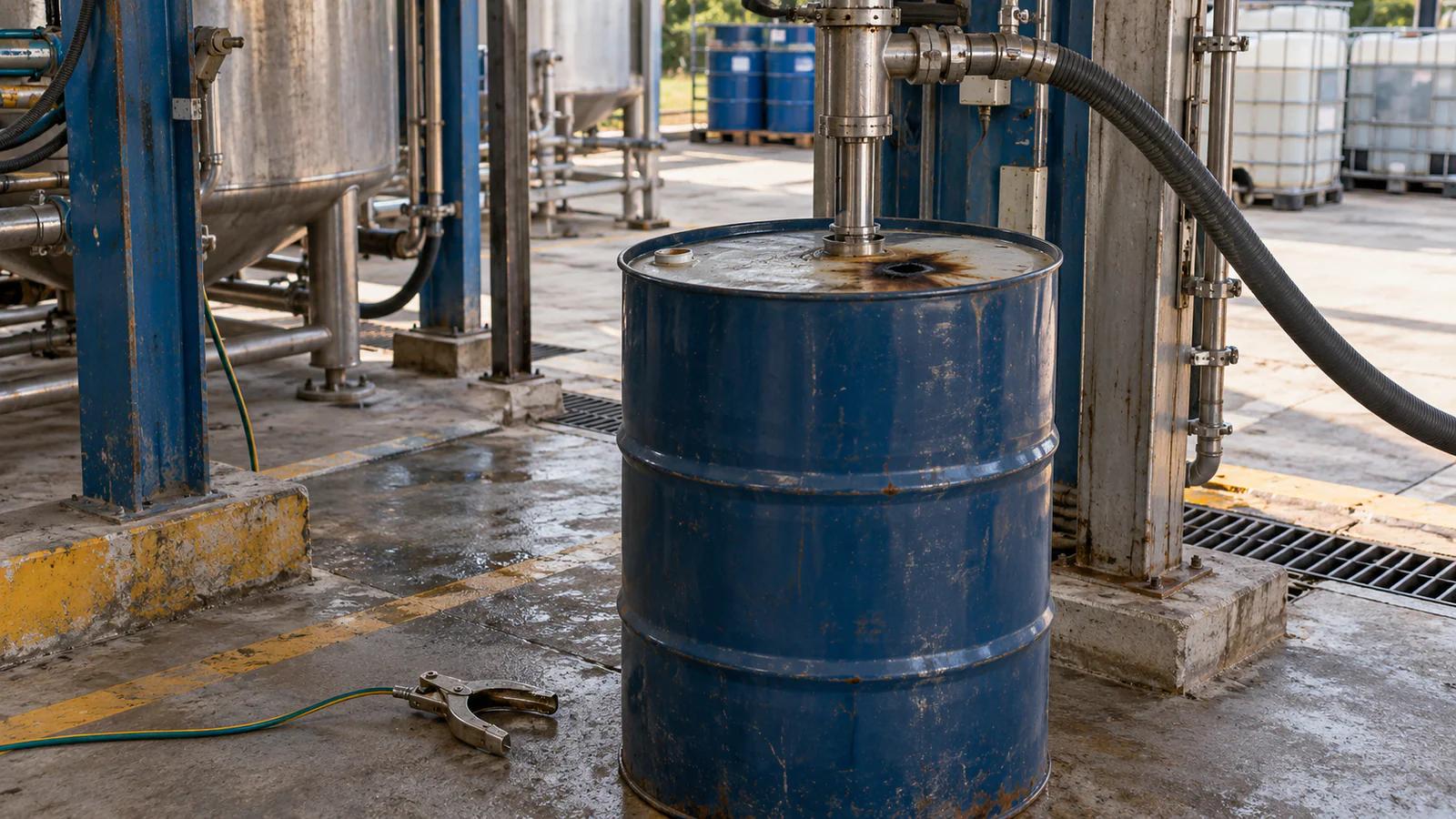
Solvent and flammable liquid storage. Tank overfill during transfer. Static discharge in a poorly bonded line. Vapour accumulation in a confined or poorly ventilated space.

Coatings, curing and drying. Solvent-laden air ignited inside an oven or spray booth, and electrical faults on a curing line left running unattended for hours.

Foam, latex and glove manufacture. Dip tank fires, vulcanising oven failures, and dust or off-gas ignition during foam blowing and curing.

Electrical distribution and control equipment. Switchgear, panels and circuit breakers serving the wider site fail more often than any single process asset, and a fault there can ignite material well away from the reactor or the line it was feeding.
Fire and Explosion

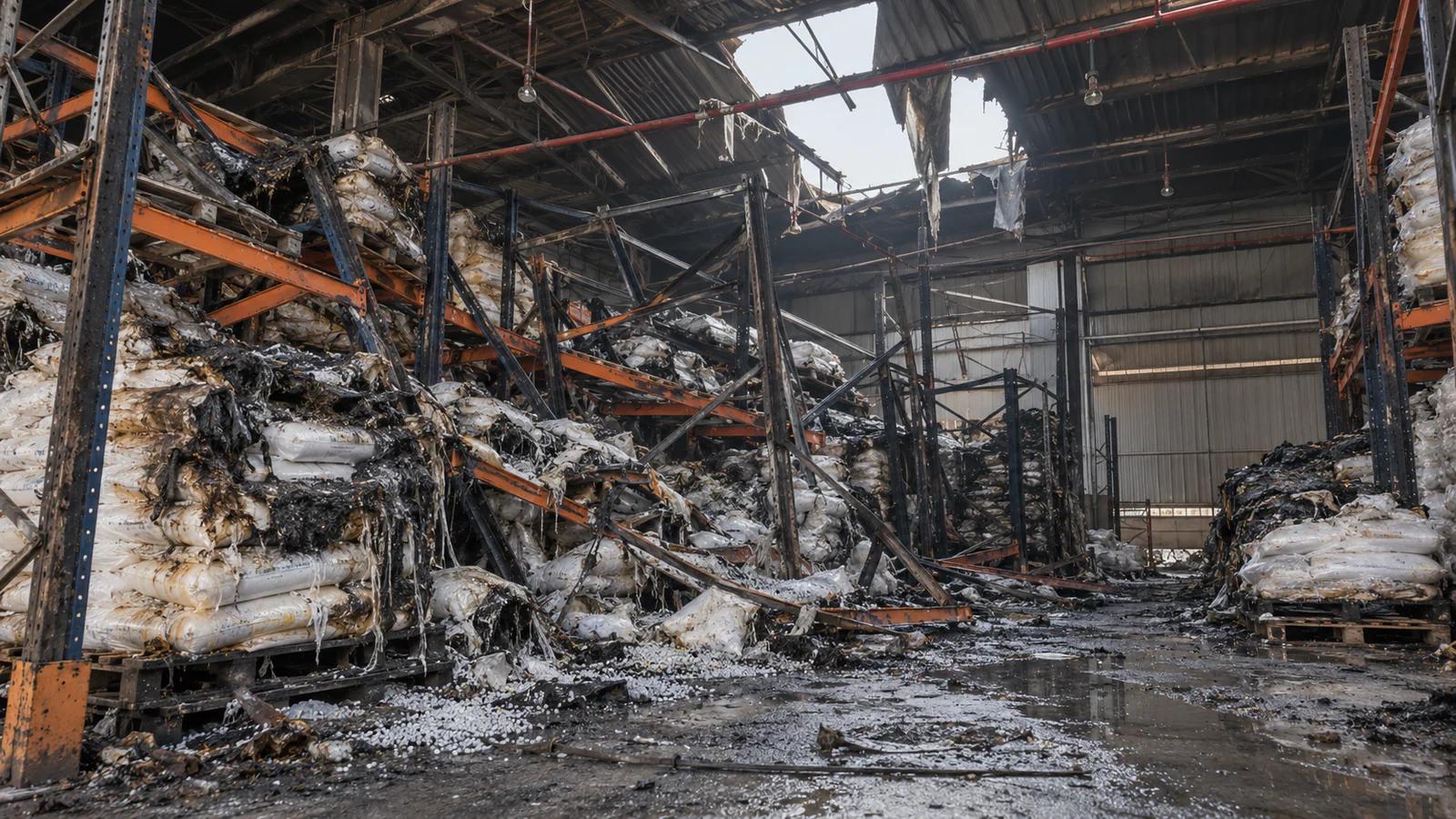
Fire is the dominant loss mechanism in this sector. It is also unusually good at destroying its own explanation. A solvent or vapour fire burns hot and fast. What remains afterward is often ash, melted plastic and a structure too damaged to read cleanly.

Static ignition is one of the more common causes, and one of the hardest to prove after the fact: a poorly bonded transfer line, an ungrounded drum, or a vapour cloud that found a spark none of the operators saw. Runaway exothermic reaction is another recurring cause. A cooling failure, an incorrect charge sequence or a blocked vent lets a reaction accelerate beyond what the vessel or its relief system was built to handle.

This is why early attendance matters more here than in almost any sector we investigate. Fire debris, residual product and vapour concentrations change within hours. A site is usually cleared for safety, and for production, well before a week has passed. We work to NFPA 921 for the investigation method and to the area classification framework in IEC 60079, to establish whether the ignition source sat inside a zone it should never have reached. Sample recovery for laboratory analysis is planned from the first site visit, not added afterward.

Extruder barrel and die with charred polymer built up around the die face
Plate 01Extruder barrel and die with charred polymer built up around the die face

Failure Investigation

Not every loss in this sector is a fire. A gearbox seizes on an extrusion line. A heater band fails and takes an hour of production with it. A batch is rejected because a contaminant reached the mix before anyone noticed. Where the evidence does not permit a reliable determination, that limitation is stated.

We apply the mechanical, electrical and materials disciplines used across industrial plant: metallurgical examination of a failed shaft or fastener, electrical diagnostics on a tripped drive or a failed heater circuit, and gas chromatography-mass spectrometry or ion chromatography where a contaminant has to be traced to a source. The question is usually the same one, asked of different equipment. Did the material fail. Was it operated outside its design envelope. Or was it maintained the way the manufacturer specified.

Damage Assessment and Restoration

A damage assessment determines the nature and extent of the damage and the appropriate repair, restoration or replacement scope, and restoration begins once the relevant evidence has been documented, preserved or formally released for work. Smoke and vapour residue from a chemical fire is corrosive, and it travels further through a plant than the fire itself does. Electrical panels, control systems and machinery well outside the seat of the fire can be affected before anyone thinks to assess them.

Our assessment establishes what is contaminated, what is salvageable after cleaning, and what has to be replaced. Restoration can begin on the unaffected areas of a site while the investigation into the affected area continues. Product loss is assessed separately from equipment loss. A batch that looks unaffected can still be compromised by heat, moisture or contamination a visual inspection will not catch.

Risk Assessment

Most of what causes a fire or explosion in this sector is visible beforehand, to someone who knows where to look. A facility risk assessment examines area classification against actual vapour sources, bonding and grounding on transfer lines and tanks, and the adequacy of bunding and secondary containment. It checks whether fixed fire protection matches the hazard it is meant to cover, rather than the hazard the building was designed for a decade earlier. We assess plant as it operates, not as the drawings describe it. The two are rarely identical after a few years of modification.

The Work in This Sector

We investigate. Extrusion, injection moulding and compounding equipment is investigated component by component, screws, barrels, gearboxes, heater bands, drive and control electronics, because a mechanical failure on a line this instrumented usually leaves a diagnostic trail. Site-wide electrical distribution, switchgear, breakers and power cabling feeding a production hall are investigated with the same discipline applied to a reactor or a curing oven, since a fault there is at least as likely to start the fire as the process equipment itself. Lightning damage to control cards and drive electronics is verified against the surge path the equipment actually shows.

We assess. A fire, flood or contamination event reaching production machinery, extruders, presses, pelletizers, dryers and hoppers among them, is assessed unit by unit against manufacturer tolerance, so equipment merely exposed to smoke is not scrapped alongside equipment genuinely damaged by heat. Pre-existing wear on screws, barrels and other high-cycle components is distinguished from incident-related damage before a repair scope is agreed.

We restore. Machinery recovered from a fire or a flood, presses, chillers and the electrical panels feeding them, is cleaned, tested and returned to service where the evidence supports it, following functional testing against the equipment's own specification. Site infrastructure surrounding the process area, carpet, furniture and general contents, is restored as part of the same engagement.

We survey before a loss. A pre-loss survey extends the area classification and bonding work already described to the site's general electrical distribution, using thermography of switchgear and panels and non-destructive testing of pressure equipment such as a thermal oil heater to find deterioration before it fails. That survey applies equally to a single production line and to a full compounding facility.

What Decides These Cases

Four findings recur, and each tends to decide where liability and cost land.

Whether the ignition source sat inside equipment classified for the hazard present, or in an area that should have been classified and was not.

Bonding and grounding equipment: whether it existed, and was actually connected at the time of the incident, rather than merely shown on a drawing.

Maintenance and housekeeping records. A fire that started in equipment overdue for its inspection schedule reads differently, to an insurer and to the plant's own operators deciding what to fix next, than one that started in equipment maintained on time.

And, where a contaminated batch is involved, whether the contamination traces to a specific point in the process or only to the product generally. That decides how much of a shipment is genuinely affected.

Common questions

Working in chemicals, plastics and rubber

24/7 response

A loss in chemicals, plastics and rubber?

Tell us what failed. You will get an engineer who has seen it in this sector, not a general enquiry form.