
Approved Group International
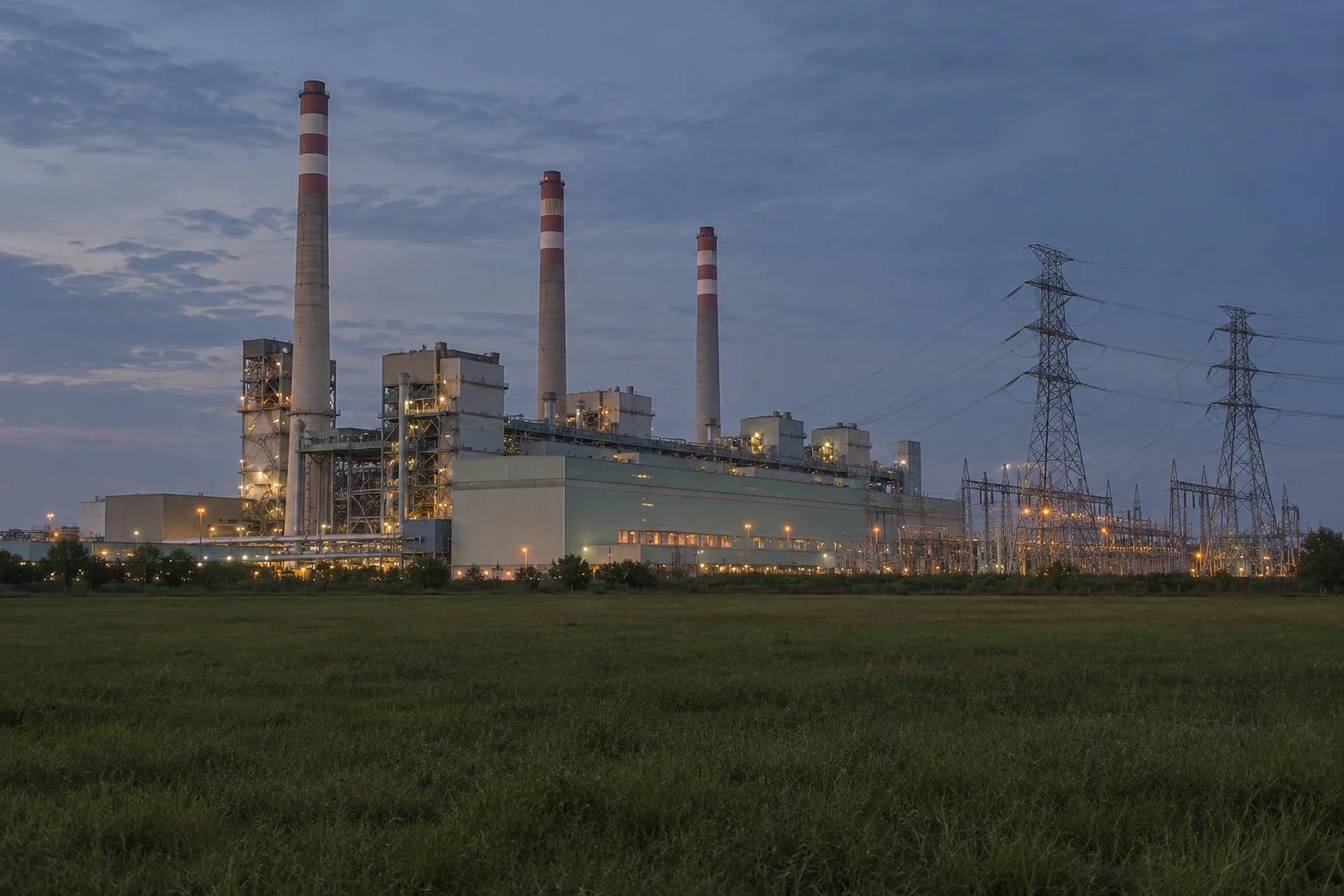
Power station with tall stacks and transmission lines at dusk

Energy and process

Power Generation and Utilities

AGI investigates why generation and transmission assets fail. We assess and restore what a fault or a fire leaves behind. We survey plant before either happens.

Energy and process

What we are called to in power generation and utilities

Fire, failure investigation, damage assessment, restoration and risk assessment for power generation and utilities operations, by the engineers who investigate the losses.

  • Electrical Failure Investigation
  • Mechanical and Materials Failure Investigation
  • Electrical Risk Assessment
  • Electrical Restoration
24h
Target attendance, regional
9mo
Typical long-lead replacement
3
Risk assessment services applied
27
Countries served

What fails here

Five mechanisms behind most of the loss

Select one to see what happens, what settles it evidentially, and which discipline handles it.

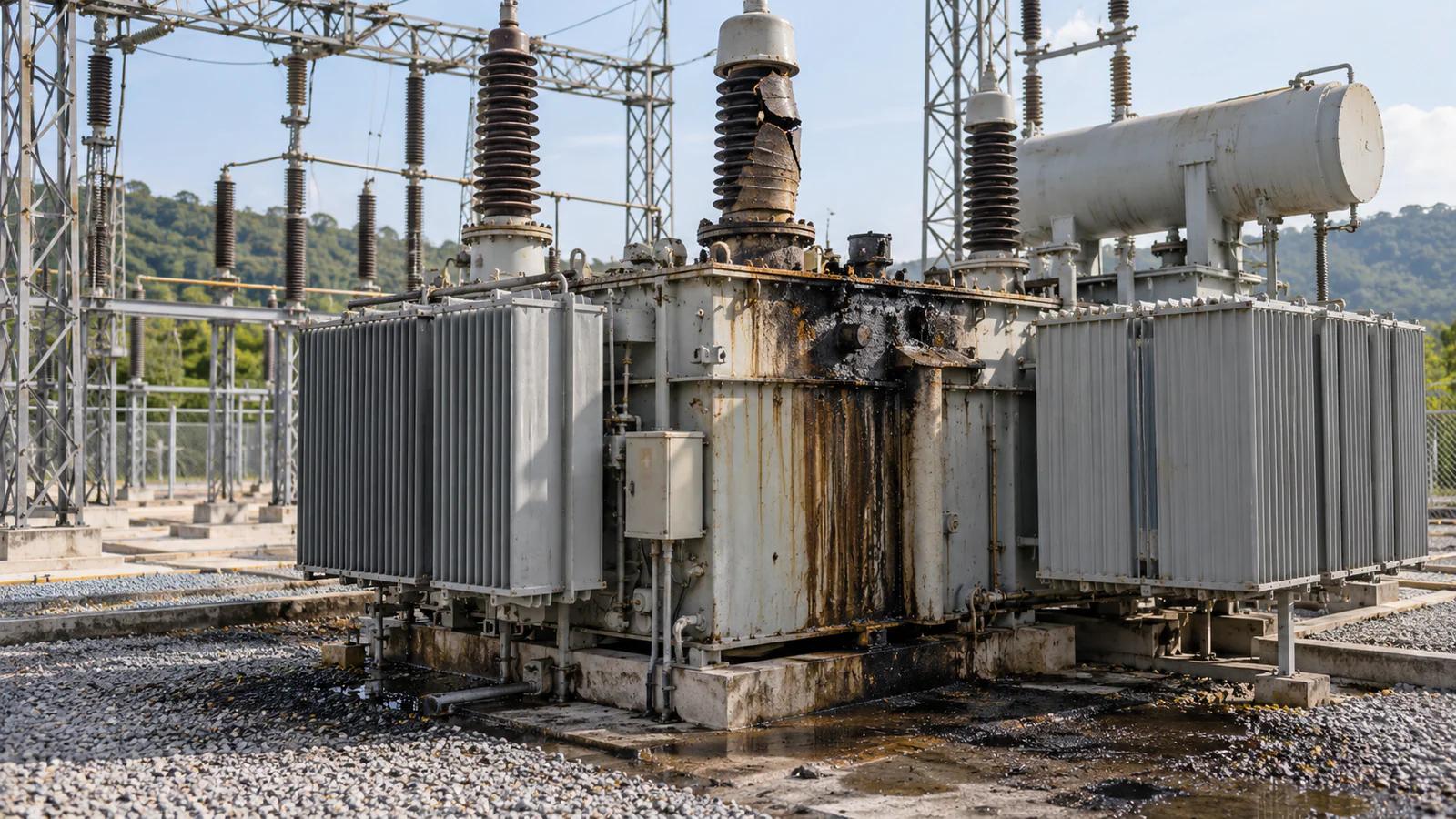
Outdoor power transformer with a cracked bushing, a scorched tank top and oil on the gravel

Transformer failure

What happens

Insulation breakdown, bushing failure or tap-changer fault, frequently with fire following and a replacement lead time measured in quarters.

What settles it

Dissolved gas analysis history, protection operation records and internal examination after draining. The gas trend usually shows it coming.

Electrical Failure Investigation

The first fortnight

What is recoverable is decided early

A loss in this sector follows a predictable clock. Most of the difference between a recovered asset and a written-off one is made before anyone has agreed who pays.

  1. Hour 0–12

    Isolate

    Make safe and establish what is still energised. Network switching decisions are made before anyone looks at cause.

  2. Hour 12–72

    Stabilise

    Dehumidify switchrooms and inhibit corrosion. This window decides what is recoverable.

  3. Day 3–21

    Examine

    Internal examination, laboratory work and protection study, run alongside the restoration scope.

  4. Month 2+

    Reinstate

    Restoration or replacement, with long-lead items ordered against the findings rather than ahead of them.

What Fails in Power Generation and Utilities

Transformer failure. is the single most consequential event in this sector. Nothing else comes close. A winding fault, a tap changer failure or a bushing failure can each take a large power transformer out of service for months, given how long a replacement takes to source and commission. Switchgear and busbar faults decide the extent of an outage as much as the transformer failure that may have triggered it. The cause is rarely visible. Contamination, moisture ingress or a degraded termination usually sit behind it. Turbine and generator failure is mechanically distinct from an electrical failure, whether the cause is blade fatigue, bearing failure, overspeed or an excitation-system fault. Boiler and pressure system failure, tube failure in particular, remains a recurring cause of loss on thermal plant, usually traced to corrosion, erosion or a chemistry excursion in the feedwater. Standby and diesel generation failure recurs where backup power itself does not perform, whether from a fractured engine component, a failed turbocharger or a fault in the transfer equipment meant to bring it online.
Fire and Explosion

Transformer fires are the most severe fire risk in this sector. A large oil-filled unit is a concentrated fuel load. It sits close to critical switching equipment, and the consequence is much the same whether the triggering fault was internal or external. Switchroom and cable gallery fires, usually electrical in origin, spread along cable runs in ways a visual inspection alone will not reveal. Coal handling and pulverising systems on thermal plant carry a combustible dust exposure. It is often underestimated, and an explosion traced back to accumulated dust in a duct or a mill is more common than most operators expect. Each of these is investigated to NFPA 921, reading fire pattern and arc damage together with protection and relay records to establish where the event began and how it propagated.

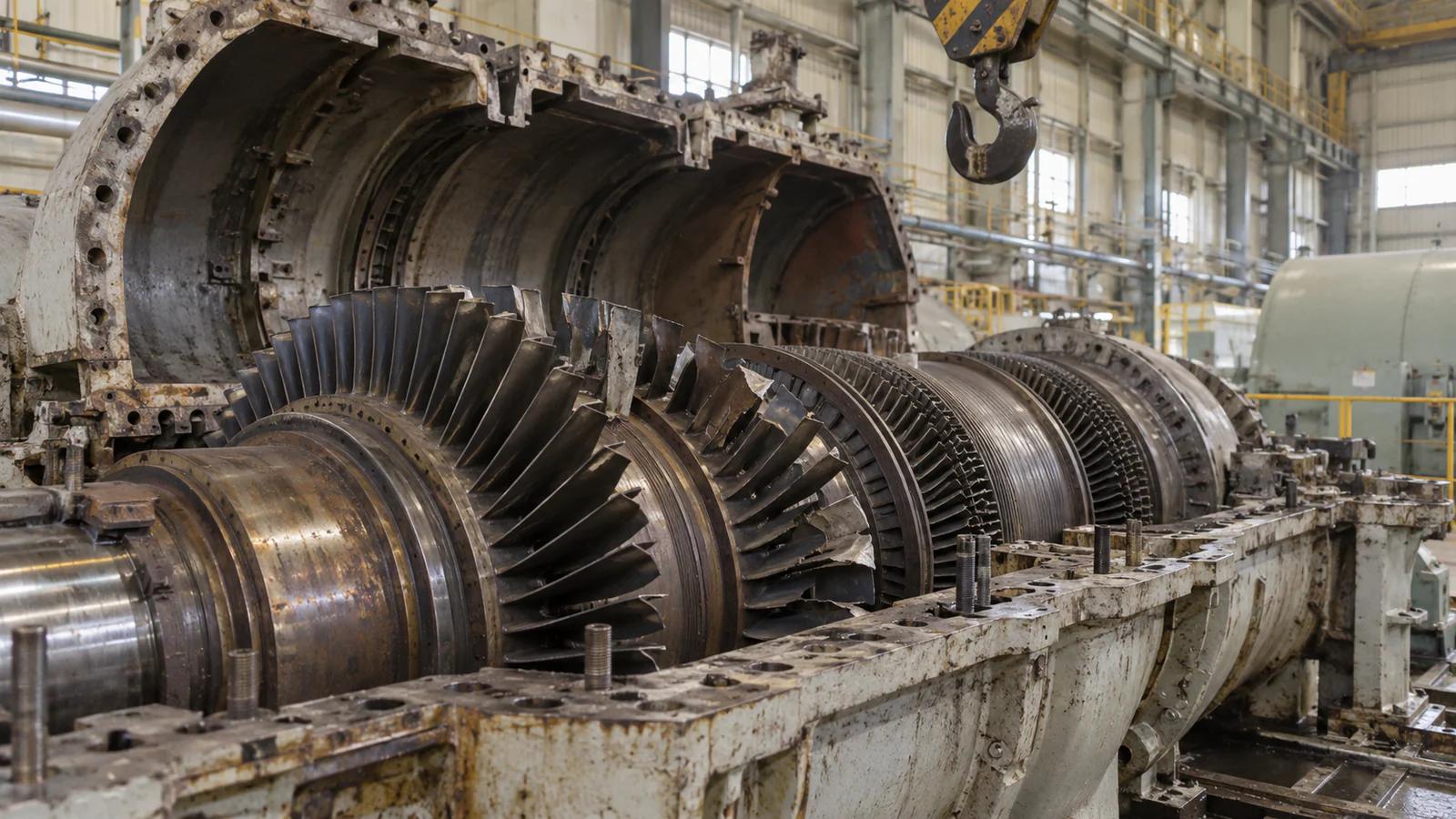
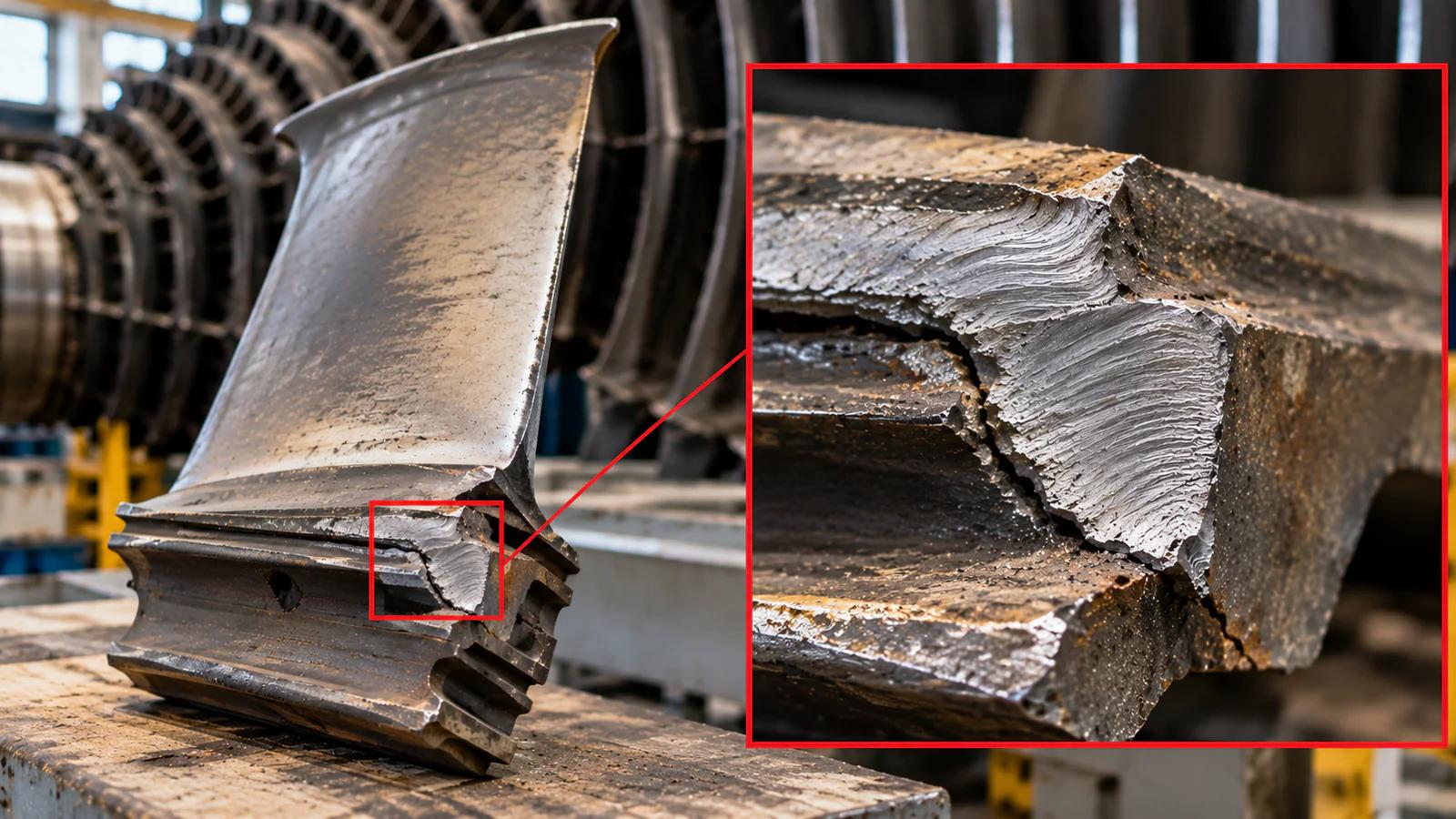
Turbine blade root with a fatigue crack, shown in a close-up inset
Plate 01Turbine blade root with a fatigue crack, shown in a close-up inset

Failure Investigation

Electrical failure investigation covers transformers, switchgear, busduct, generators and the protection systems meant to isolate a fault before it spreads. Primary injection, sweep frequency response analysis and dissolved gas analysis read evidence a visual inspection cannot. Mechanical failure investigation covers turbines, boilers, pumps and compressors. It works from vibration history, metallurgical examination and maintenance records to establish whether a failure originated in design, manufacture, maintenance or operation. Structural failure investigation applies where cooling towers, stacks or support structures are involved. Electronic failure investigation applies to the control and protection systems sitting behind every one of these assets. A fault there can now be as consequential as a fault in the plant it was meant to protect. Where the evidence does not permit a reliable determination, that limitation is stated.

Damage Assessment and Restoration

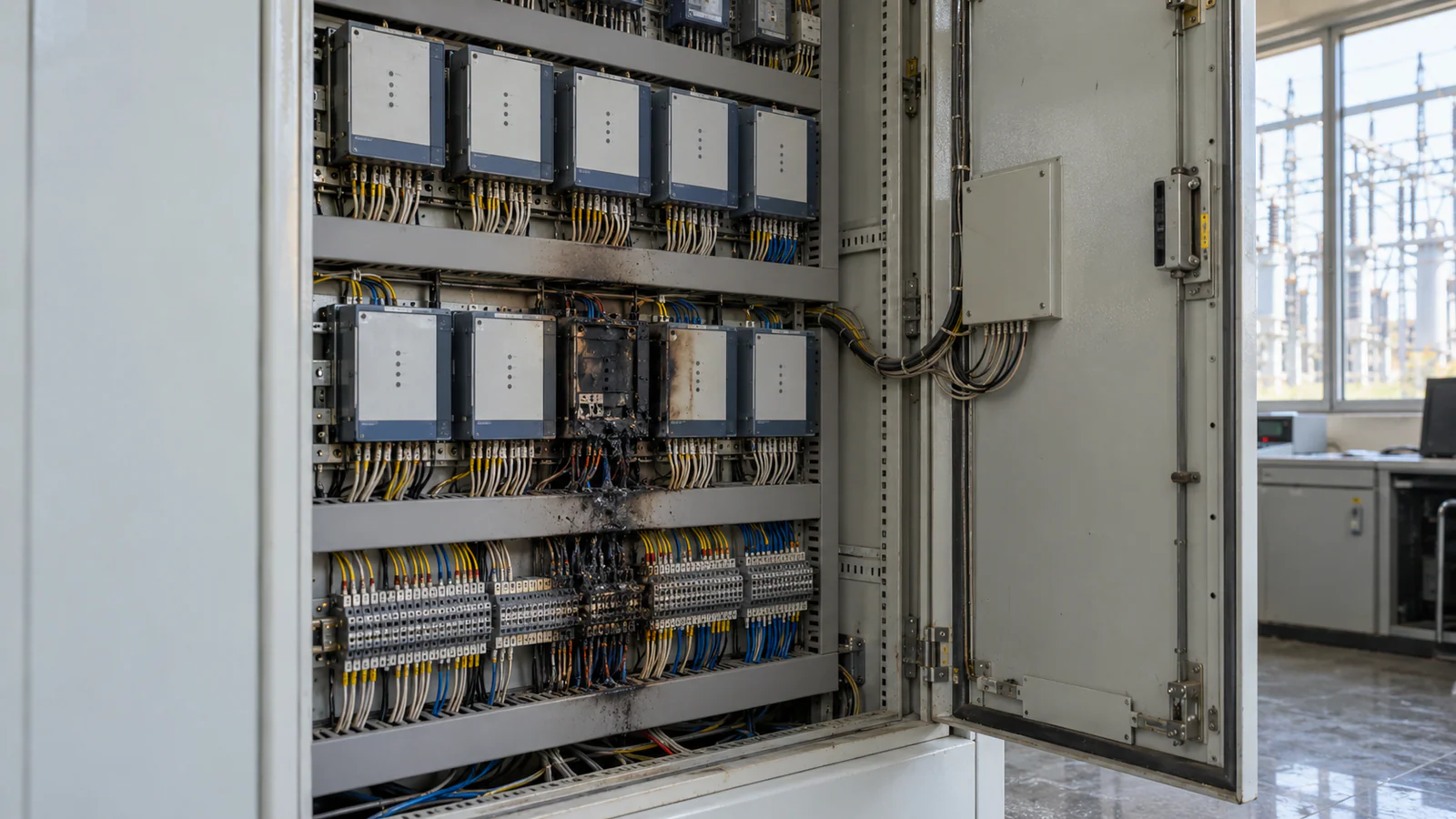
A damage assessment determines the nature and extent of the damage and the appropriate repair, restoration or replacement scope, and restoration begins once the relevant evidence has been documented, preserved or formally released for work. A transformer or switchgear fault rarely damages only the unit that failed. Soot and smoke migrate through switchrooms and control buildings. They travel further than most people expect. The control and protection equipment exposed to that contamination has to be assessed component by component, not written off as a category. Water used to fight an electrical fire is often more damaging to control systems than the fire itself. Distinguishing fire damage from water damage changes what is replaced and what is cleaned. Our engineers establish cause. Our technicians assess and restore the plant. Both work from the same file. That distinction is made once, by people who already know how the fault propagated, rather than argued over between three separate contractors.

Risk Assessment

A pre-loss survey of generation and transmission plant looks at the evidence a forensic investigation would otherwise find only after the failure. It looks early. Infrared thermography of switchgear, busduct and terminations identifies the loosened connection or the developing hot spot before it arcs, and dissolved gas analysis and sweep frequency response testing on power transformers track the same deterioration an investigation would later be asked to explain. Protection relay testing confirms isolation will occur as designed. A certificate alone does not prove it. Boiler and turbine condition is assessed against vibration and maintenance history, not the calendar alone. Age is not itself a defect. A well-maintained ageing asset carries a different risk profile from one that has simply not failed yet.

The Work in This Sector

We investigate. Diesel and gas engines, standby generator sets and the transfer equipment that backs them up sit alongside the grid-scale plant already described, and failures range from a fractured connecting rod or a failed turbocharger to a circuit breaker that failed to isolate correctly. Hydro plant investigation covers the turbine wheel, the spiral casing, the penstock and the relays that govern it, in addition to the generator itself.

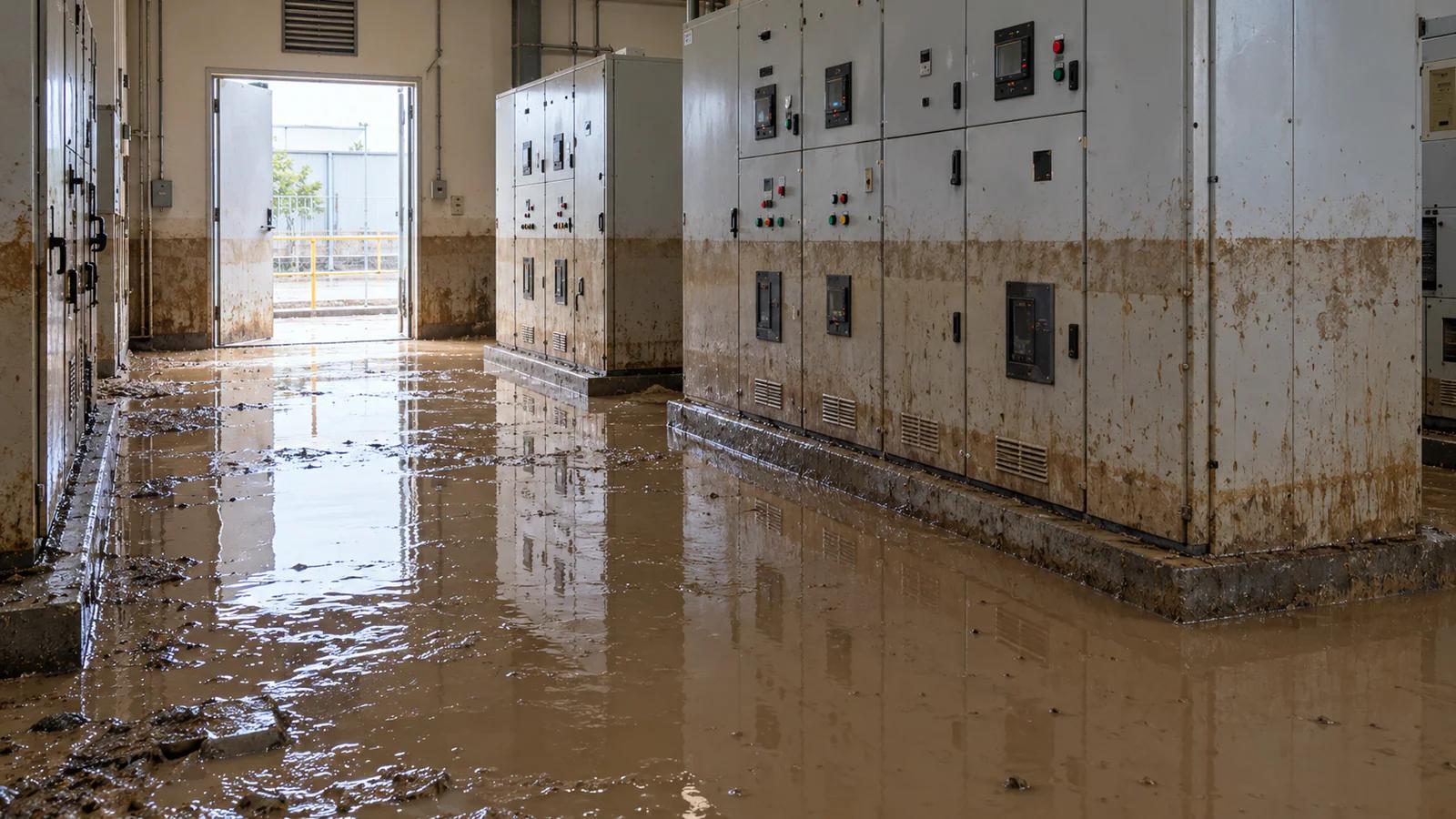
We assess. Flood affecting a powerhouse is assessed unit by unit. Turbine generators, control instrumentation and distribution boards recovered from rising water are treated differently from equipment merely exposed to humidity, each tested against its own specification. A chiller or a heat exchanger serving the plant is assessed on the same file as the generating equipment it supports.

We restore. Relay and control units, switchgear and rotating plant recovered from a fire or a flood can often be cleaned, tested and requalified rather than replaced outright, and a protection relay is frequently returned to service once contamination is characterised and removed. Restoration follows the sequence used elsewhere on site: decontamination first, functional testing against specification, then return to service.

We survey before a loss. A pre-loss survey extends the instruments already described, thermography, dissolved gas analysis and protection testing, to condition monitoring of rotating machinery and a review of where a single asset concentrates disproportionate risk. Renewable generation is surveyed on the same basis as thermal and hydro plant.

What Decides These Cases

Whether the fault originated inside the sealed transformer tank or from an external cause. A transformer that failed internally is a different claim from one that failed under an upstream surge. Dissolved gas history, protection records and metallurgical examination of the recovered windings usually settle the question.

Whether protection operated as designed. Relay operation times and trip sequences establish, often to the millisecond, whether the system isolated the fault as it should have. Timing matters here. A failure to trip correctly can shift the loss from a contained fault to a major outage.

The business interruption exposure behind a single point of failure. Generation and grid infrastructure concentrate risk in a small number of assets. The material damage to a failed unit is frequently the smaller part of the claim. Establishing cause quickly is what allows the larger exposure to be managed.

Common questions

Working in power generation and utilities

24/7 response

A loss in power generation and utilities?

Tell us what failed. You will get an engineer who has seen it in this sector, not a general enquiry form.