Approved Group International
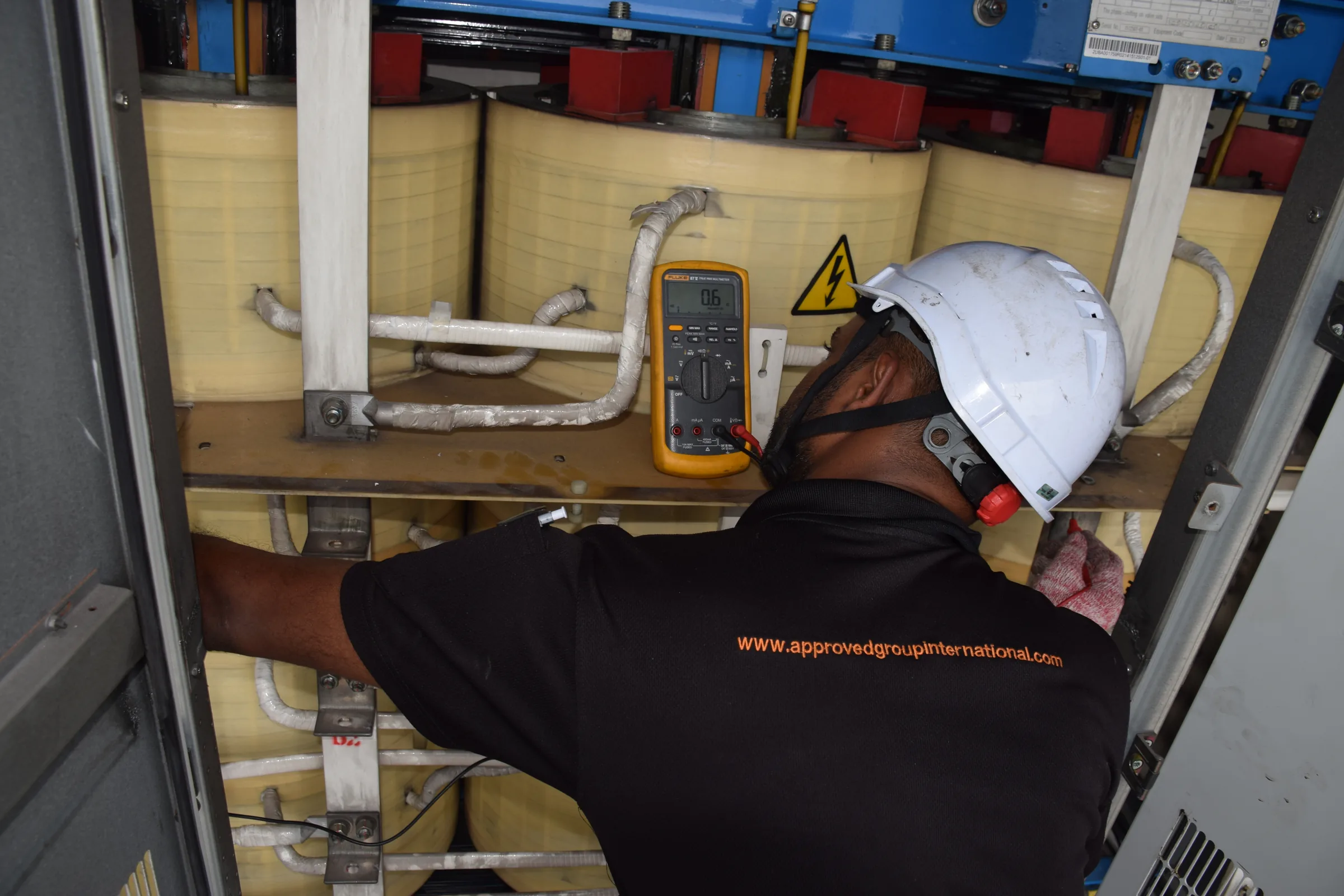
AGI engineer in a hard hat taking measurements inside an electrical cabinet with a multimeter

Forensic Investigation

Electrical Failure Investigation

Electrical failure investigation establishes why an electrical asset failed, and what that failure did or did not cause.

When to call

  • When production has stopped and the cause is electrical.
  • Where a manufacturer, installer or upstream supplier may bear responsibility.
  • Whenever a fire's origin is suspected to be electrical.
  • After a serious incident or an injury.
  • Pre-loss.

What you receive

  • AGI may be instructed by any party requiring an independent electrical failure investigation.
  • Preliminary advice can follow within days of attendance, generally before laboratory or extended testing is complete, so that decisions that…
  • Major electrical assets routinely cross borders: designed or manufactured in one country, installed in another, and contracted or financed from a…
  • Chartered and professionally registered engineers lead this discipline, registered in the jurisdictions in which they practise.
  • The practice also teaches what it investigates.

What Is Electrical Failure Investigation?

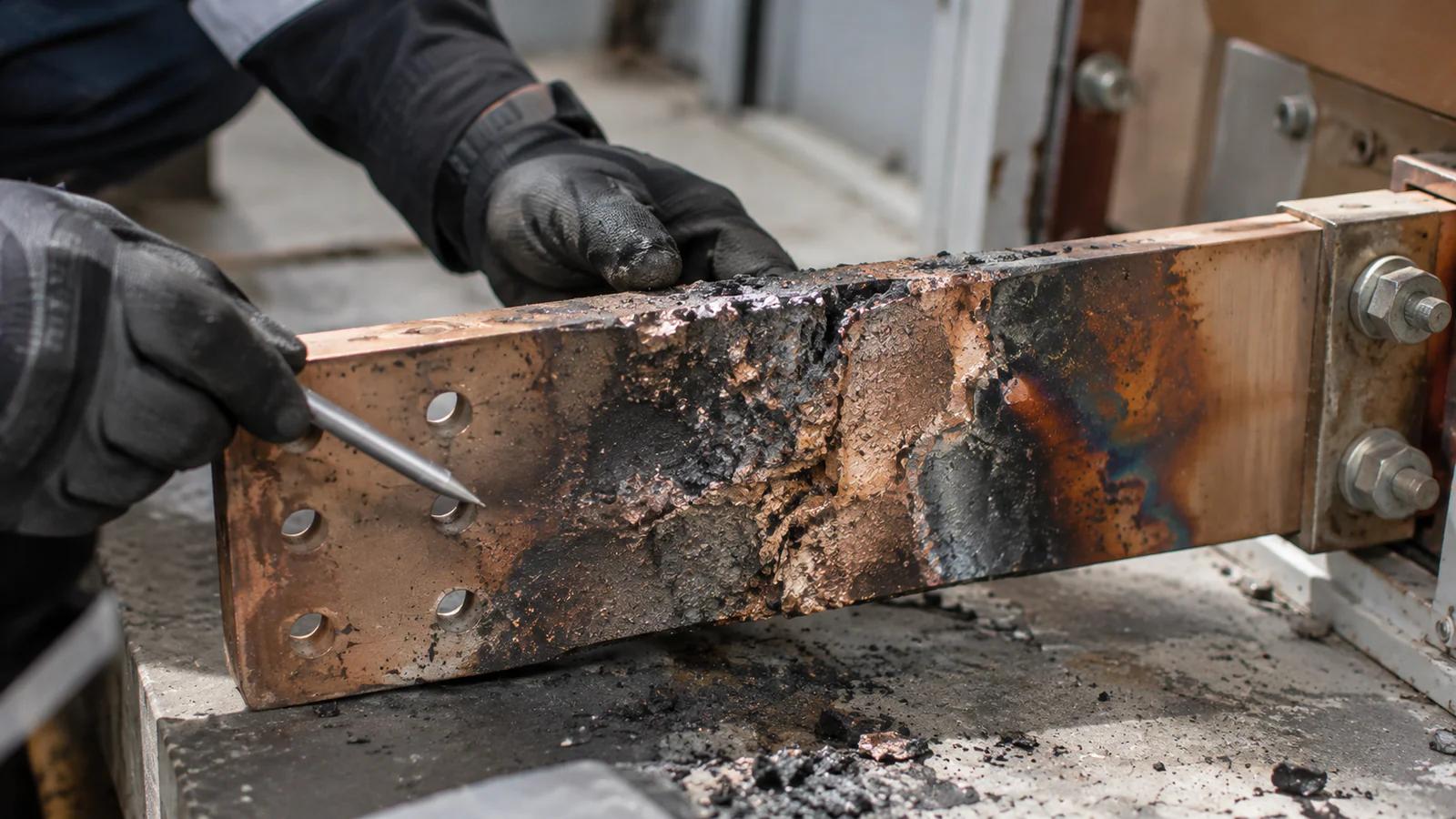
It is the application of electrical engineering science, and of live or post-event testing, to establish how and why an electrical asset failed and what consequences that failure had. The equipment itself does not usually argue its own case. A burnt busbar can look much like a busbar that was burnt by something else, and separating the two is generally a matter of test data rather than appearance.

This differs from a damage assessment, which determines the nature and extent of damage and the appropriate repair, restoration or replacement scope, not why the failure occurred. It differs also from an electrical risk assessment, which examines a live installation before anything fails, looking for the same weaknesses this investigation traces after one.

How We Investigate

Secure and protect evidence. Failed equipment, protection relay settings, event logs and SCADA data are secured before power is restored or equipment is scrapped or repaired.

Primary injection and insulation testing. Primary injection verifies protection and control wiring end to end. Insulation and contact resistance testing reads the condition of windings, contacts and cable insulation against the equipment's design rating.

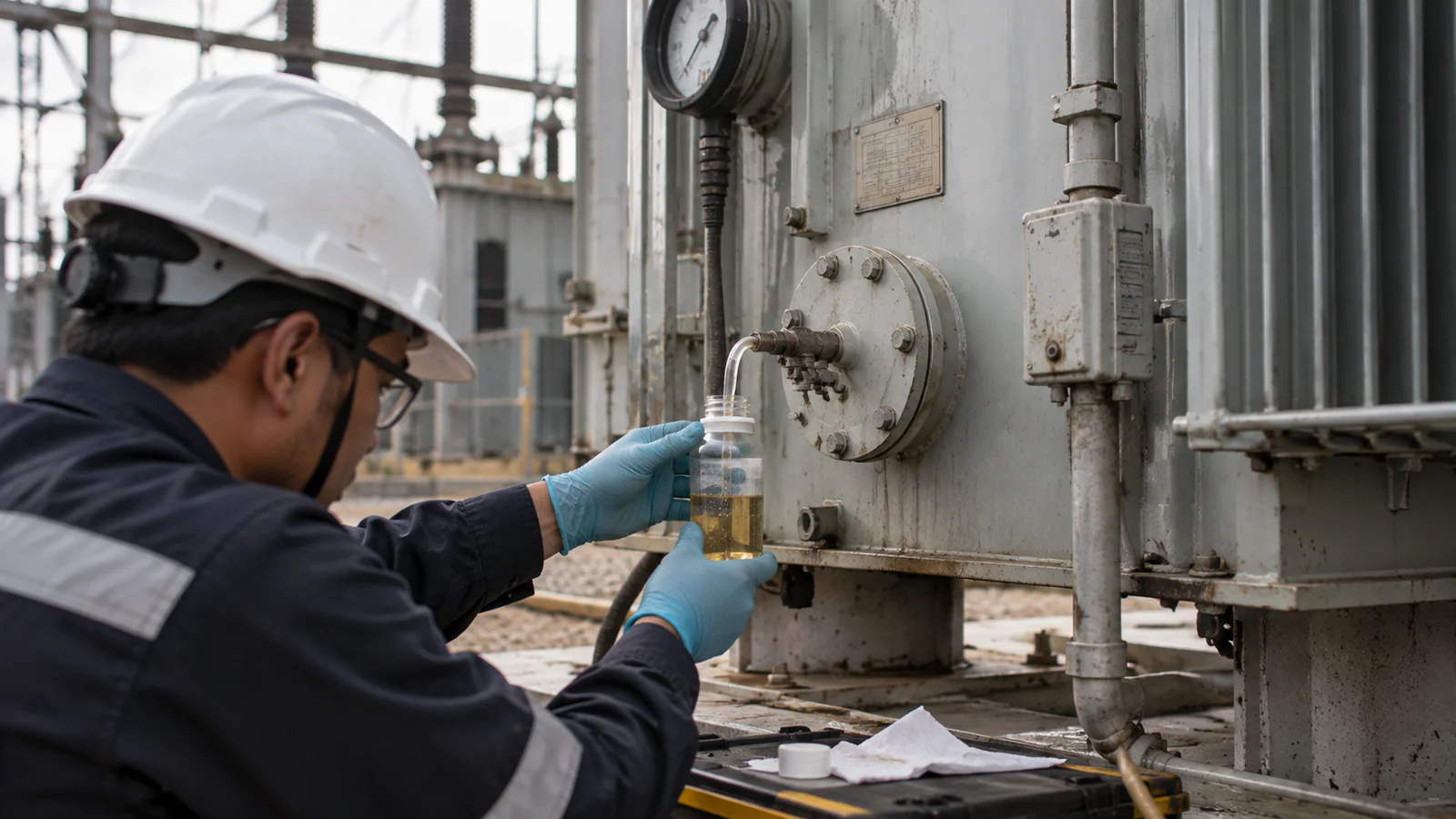
Sweep frequency response analysis and dissolved gas analysis. On transformers, sweep frequency response analysis checks winding and core geometry for mechanical displacement. Dissolved gas analysis of the oil identifies overheating or arcing that has already occurred inside a sealed tank.

Partial discharge screening and infrared thermography. Partial discharge screening finds insulation degradation before it becomes a breakdown, where the equipment allows it. Thermography is applied where the asset is still live or a prior scan exists.

Examine the arc and the physical evidence. Arcing, pitting and heat-affected metal are documented in detail, along with the pattern of damage across the wider installation, because they form part of the evidence tested against each plausible cause in turn.

Evaluate and eliminate. Findings are checked against manufacturer specification and the applicable standards, principally IEC and IEEE, and against NFPA 921 where a fire resulted. Plausible causes are tested against the evidence and eliminated where they are not supported. Where the evidence permits, the remaining cause or contributing causes are reported; where it does not permit a reliable determination, that limitation is stated.

Report, and defend where needed. The investigation closes with a written finding setting out the evidence, the reasoning and the conclusions in terms a decision-maker can act on and another engineer can examine. Where the matter proceeds to arbitration, litigation or another formal hearing, the investigator can support and defend those findings through expert evidence.

AGI engineer drawing an oil sample from a power transformer for analysis
Plate 01AGI engineer drawing an oil sample from a power transformer for analysis

What We Investigate

Transformers, including on-load tap changers and bushings. Power and distribution transformers, from dry-type units through large oil-filled power transformers, covering internal winding faults alongside the tap changer and bushing failures that account for a significant share of transformer investigations.

HV and LV switchgear, main switchboards and distribution boards. High- and low-voltage switchgear, main switchboards and distribution boards, where primary injection and insulation testing establish whether protection operated correctly and where within the board a fault originated.

Busduct and busbar. Failures traced, in many cases, to inadequate ventilation, exposed mounting or moisture and dust ingress that compromises insulation gradually until a short circuit results.

Underground and subsea cable and joints. High-voltage cable and cable-joint failures, investigated through insulation testing, fault-location data and physical examination of the joint or cable section itself, extending to subsea interconnector cable where access and recovery are constrained by the marine environment.

UPS, battery and grid-scale storage. Uninterruptible power supply systems, battery banks and grid-scale storage installations, where thermal runaway, cell failure and charging-system faults are the mechanisms most often at issue.

Drives and inverters. Variable frequency drives and inverters serving pumps, fans, compressors and process machinery, investigated alongside the motor and load they were controlling to establish which component failed first.

Photovoltaic strings, inverters and combiner boxes. Failures at utility, commercial and rooftop scale, from DC-side arcing and connector failures to inverter and grid-interconnection faults.

Generators and alternators. Winding faults and excitation-system failures, and the protection and control systems that should have isolated the unit before the damage spread further.

Earthing, bonding and surge protection. Earthing system adequacy and surge protection device failures, where the question is often whether a reported lightning strike is consistent with the pattern the damage actually shows.

What Decides These Cases

Whether the fault caused the fire, or the fire caused the fault. Arcing and heat damage on equipment recovered from a fire scene can look similar whether the equipment ignited the fire or was simply consumed by one that started elsewhere. Getting this wrong reassigns responsibility for the whole loss, so the point of origin is tested against the wider physical and protection evidence before it is accepted.

Arc damage read as evidence of sequence. The colour, direction and metallurgical character of arc damage can indicate how a fault propagated through an installation, and that reading often supports or weakens a manufacturer's or installer's position. The reading has limits. Metal reheated by a later event, or damage from firefighting water and mechanical disturbance, can obscure or mimic the pattern left by the original fault, and where the evidence will not support a reliable sequence, the report says so rather than offering one regardless.

Equipment failure against supply failure. Whether the equipment itself failed, or failed because the supply feeding it was already outside its rating, changes where responsibility lies. A transformer that failed under a voltage surge originating upstream presents a different question from one that failed on its own defect.

Protection and relay records fix the timeline. Relay operation times, trip sequences and event logs can establish, to the millisecond in some cases, what happened first. A timeline built from that data is generally harder to challenge than one reconstructed from memory afterward, though the record is only as reliable as the clock and logging system that produced it.

Arc-damaged copper busbar section held for examination by a gloved investigator
Plate 02Arc-damaged copper busbar section held for examination by a gloved investigator

Common questions

About electrical failure investigation

The questions that come up before an instruction, answered plainly.

24/7 response

Protect the evidence first

Restrict access, change nothing, and call. Most of what decides a case is still on site in the first few days.

Emergency line open at all hours, across every office.