
Approved Group International
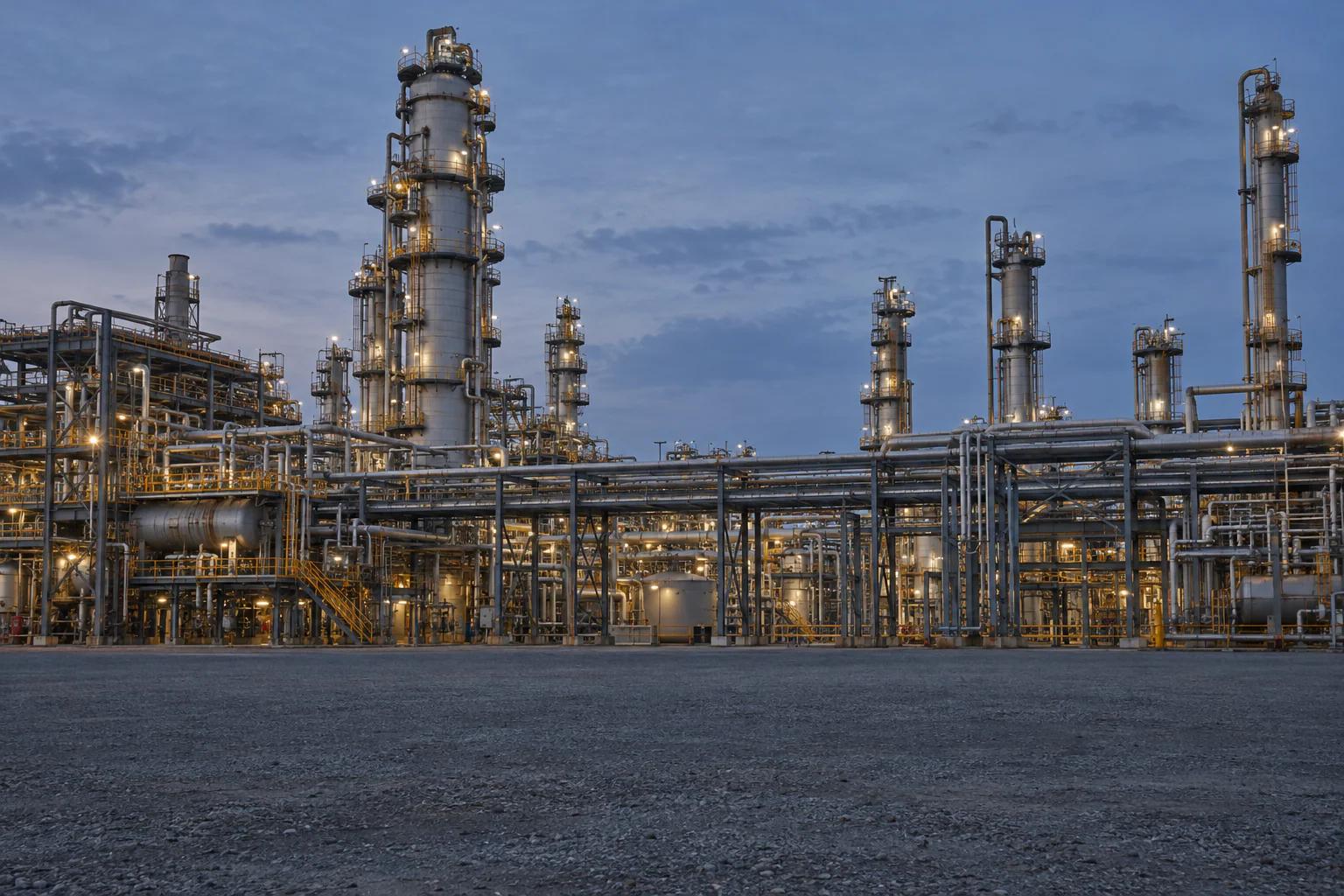
Oil refinery at dusk with distillation columns and lit pipe racks

Energy and process

Oil, Gas and Petrochemical

AGI investigates why refining, gas processing and petrochemical assets fail. We assess and restore what an incident leaves behind. We survey plant before either happens.

Energy and process

What we are called to in oil, gas and petrochemical

Fire, failure investigation, damage assessment, restoration and risk assessment for oil, gas and petrochemical operations, by the engineers who investigate the losses.

  • Mechanical and Materials Failure Investigation
  • Fire and Explosion Investigation
  • Risk Assessment
  • Plant and Machinery Damage Assessment
24h
Target attendance, regional
4
Disciplines typically on a major loss
72h
Window for evidence on a live plant
6
Offices across Asia-Pacific

What fails here

Five mechanisms behind most of the loss

Select one to see what happens, what settles it evidentially, and which discipline handles it.

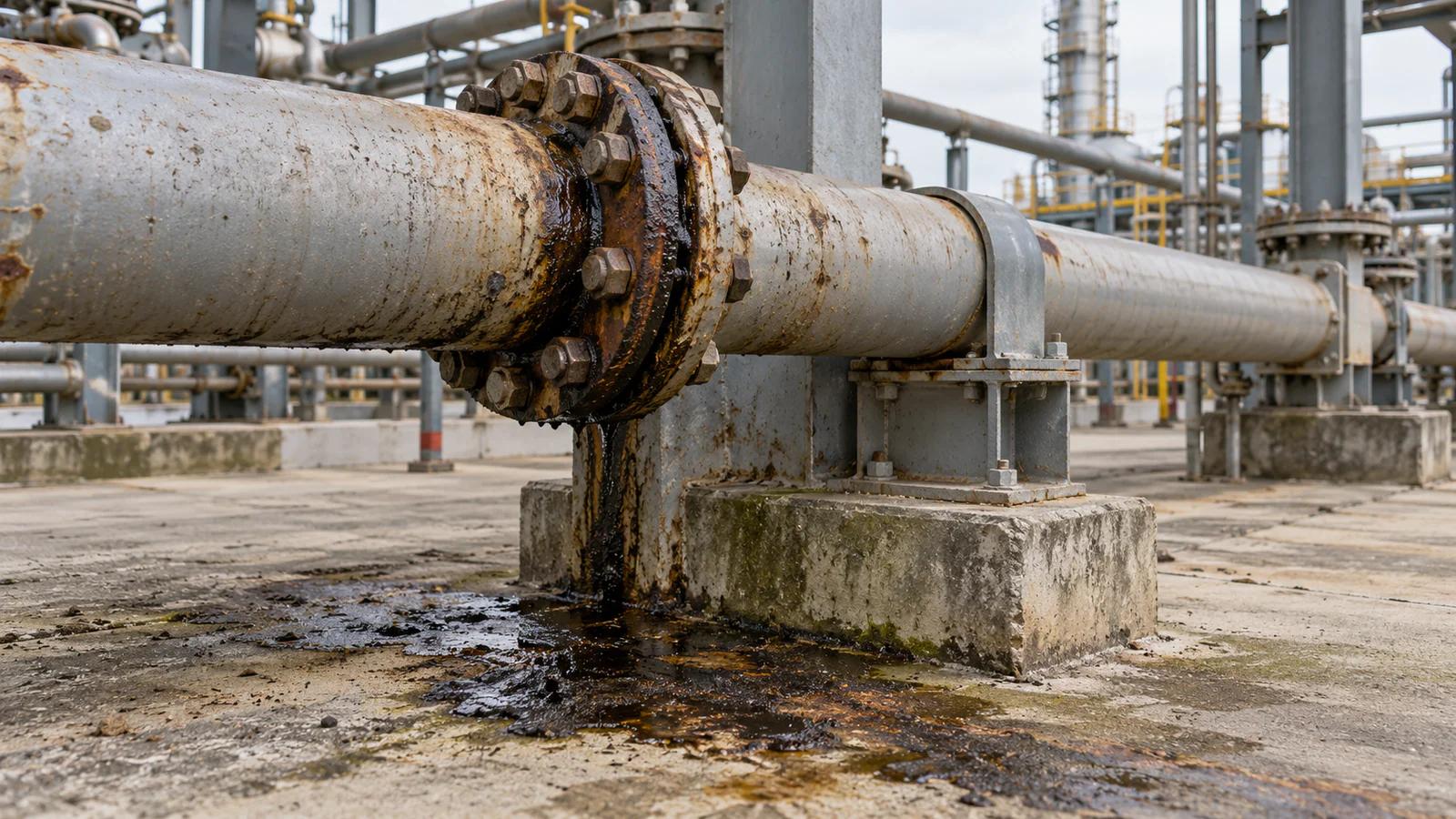
Corroded flange on a refinery pipe rack with a hydrocarbon stain running down from the joint

Loss of containment

What happens

A flange, seal, weld or corroded section releases hydrocarbon, which then finds an ignition source that was never close enough to matter while the system was intact.

What settles it

The release point is usually recoverable even after fire. Corrosion mapping, weld examination and pressure history separate a maintenance failure from a design one.

Mechanical and Materials Failure Investigation

The first fortnight

What is recoverable is decided early

A loss in this sector follows a predictable clock. Most of the difference between a recovered asset and a written-off one is made before anyone has agreed who pays.

  1. Hour 0–6

    Make safe

    Isolation, firefighting and evacuation. Nothing evidential happens yet, and should not.

  2. Hour 6–72

    Preserve

    Secure the release area, capture control-system data before it rolls over, and photograph before clean-up begins.

  3. Day 3–14

    Examine

    Recover components, map corrosion and run laboratory work on the failed section.

  4. Week 3+

    Report

    Findings, cause and the contributing factors, in a form that holds with regulator and insurer alike.

What Fails in Oil, Gas and Petrochemical

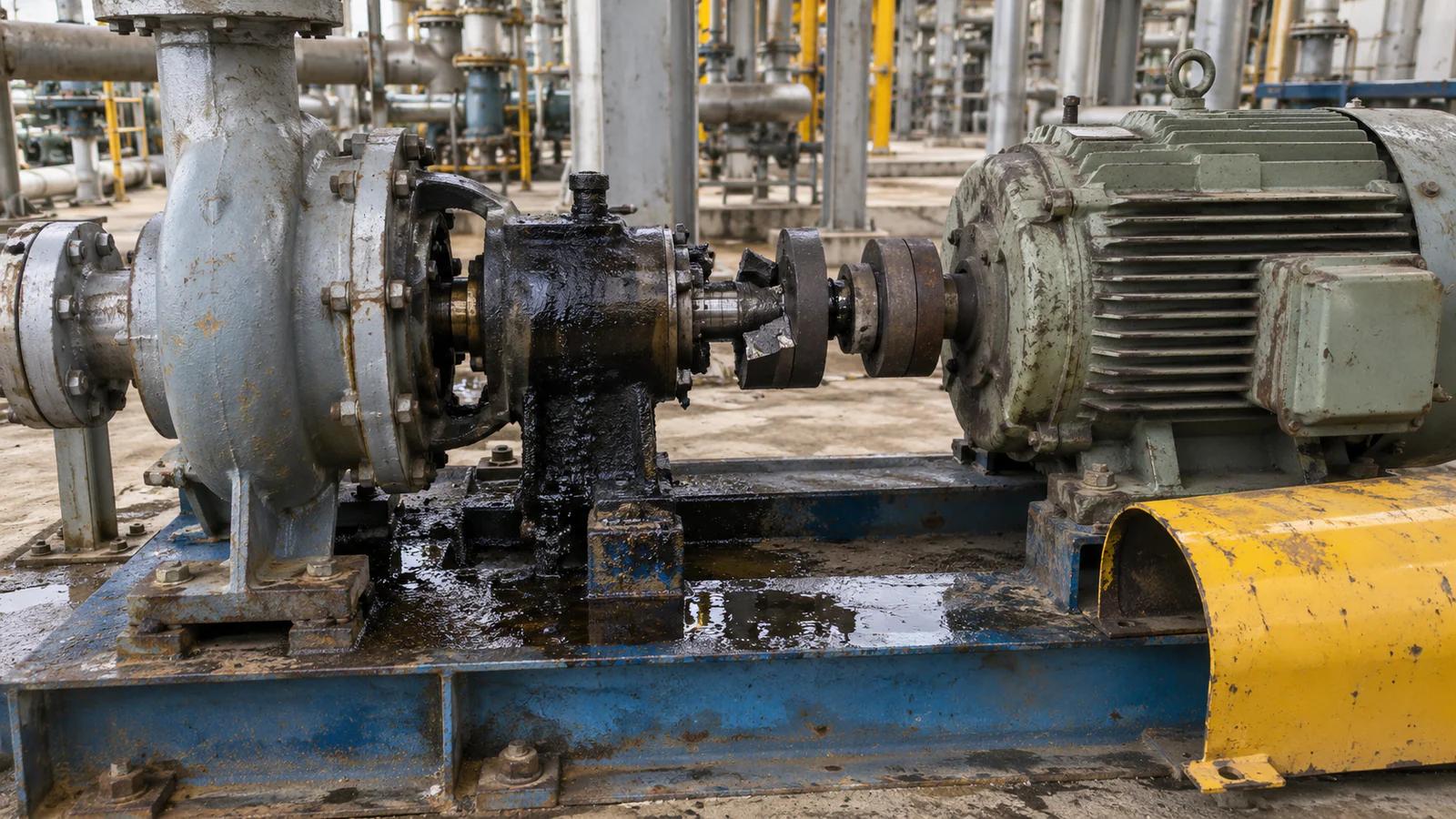
Rotating equipment failure. is the most frequent cause of an unplanned shutdown. Seal failure, bearing failure and vibration-driven fatigue on compressors and pumps sit behind most of it, and it is also a common precursor to a larger loss of containment. Storage tank failure accounts for a disproportionate share of the fires investigated in this sector. The causes are familiar: overfilling, a degraded floating roof seal, static discharge during filling. Corrosion under insulation is invisible from outside the pipe or vessel until it fails. It is a slow mechanism. The failure is not. It produces a sudden loss of containment once wall thickness is exhausted. Reactor and pressure vessel failure is the least frequent of these mechanisms. It is also the most consequential when it occurs, whether the cause is a runaway reaction, an instrumentation fault or an overpressure event. Pipeline failure, whether from third-party excavation striking a buried line or a fault in the cathodic protection system meant to prevent corrosion, is a recurring loss mechanism distinct from tank and vessel failure.
Fire and Explosion

A vapour cloud explosion is the event this sector fears most. Establishing where the cloud found its ignition source is usually the central question. The source can be an item of non-rated electrical equipment, hot work, static discharge or a mechanical spark. Hazardous area classification exists to prevent exactly this. It often fails quietly. Part of an investigation is establishing whether equipment operating in a classified zone was rated correctly for it, installed correctly, and maintained in that condition. Static discharge is a persistent, under-recognised ignition source during tank filling and product transfer. It is particularly dangerous where bonding and earthing have degraded without anyone noticing. Flange leaks, gasket failures and pump seal leaks that reach a hot surface or an open flame are more mundane. They add up. They are a far more common source of the smaller fires this sector generates continuously.

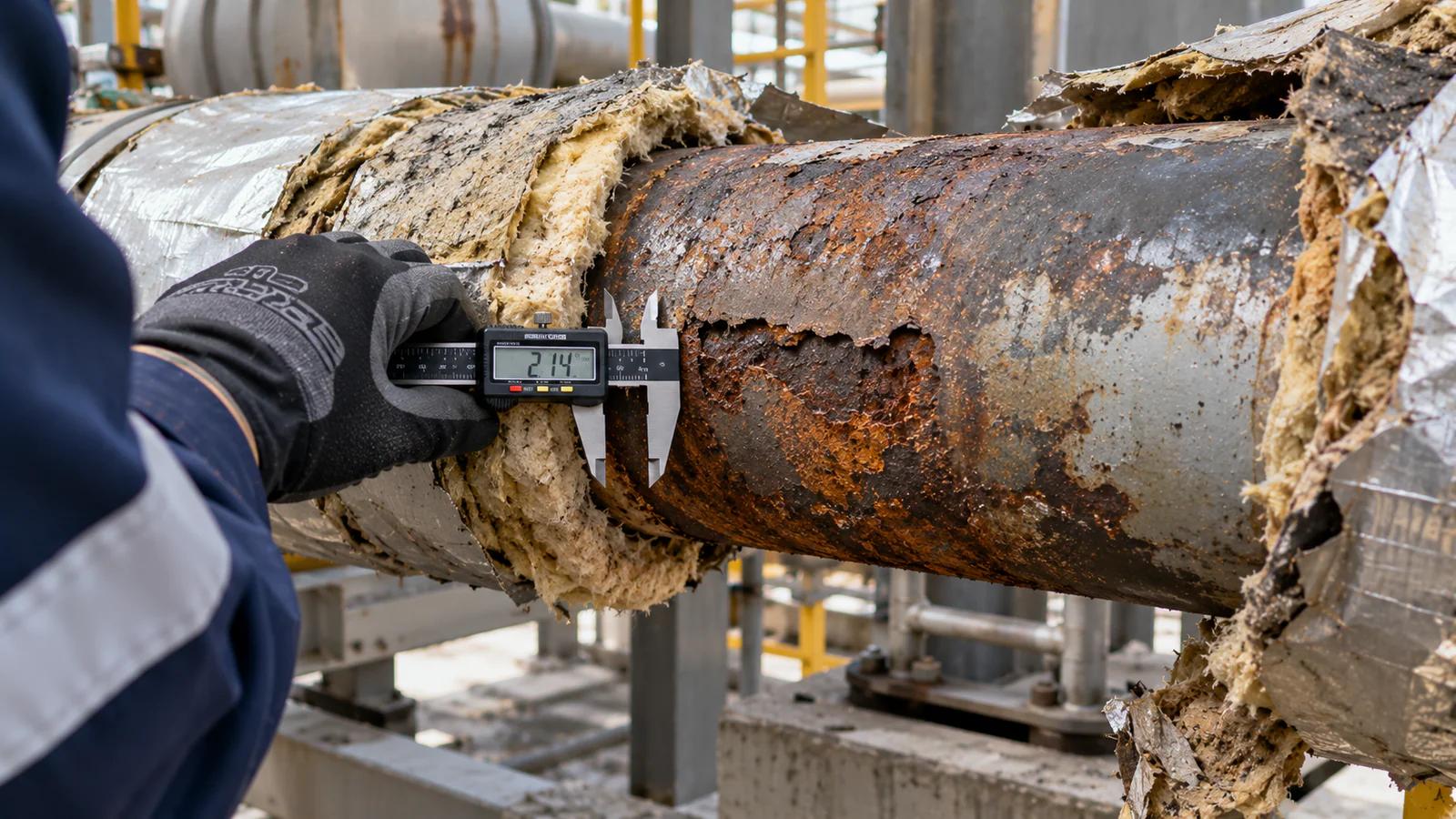
Engineer measuring wall-thickness loss on a corroded pipe after its insulation was removed
Plate 01Engineer measuring wall-thickness loss on a corroded pipe after its insulation was removed

Failure Investigation

Mechanical failure investigation covers compressors, pumps, reactors and pressure vessels, working from vibration history, metallurgical examination and process data to establish whether a failure originated in design, material, installation, maintenance or operation, and whether it could have been foreseen. Electrical failure investigation covers equipment rated for hazardous areas. The question is frequently whether it was suitable for its zone and maintained in that condition, alongside the switchgear and distribution systems supporting the wider site. Structural failure investigation applies to storage tanks, pipe racks and support structures. Corrosion is the usual suspect. It matters most where a loading event is also suspected. Where the evidence does not permit a reliable determination, that limitation is stated.

Damage Assessment and Restoration

A damage assessment determines the nature and extent of the damage and the appropriate repair, restoration or replacement scope, and restoration begins once the relevant evidence has been documented, preserved or formally released for work. Hydrocarbon contamination changes what can be salvaged, in ways a conventional fire or water loss does not. Structural steel exposed to hydrocarbon residue, contaminated catalyst and process equipment exposed to a chemical release all need assessment before a site can even be safely re-entered, let alone repaired. Rotating equipment recovered from an incident is assessed component by component against the mechanism that caused the failure. A seal failure and a bearing failure leave different signatures. The repair scope differs too. Our investigators establish cause and our engineers assess damage, both working from the same file. Decontamination and repair sequencing then proceed against a technical account of the loss, not a guess at what happened.

Risk Assessment

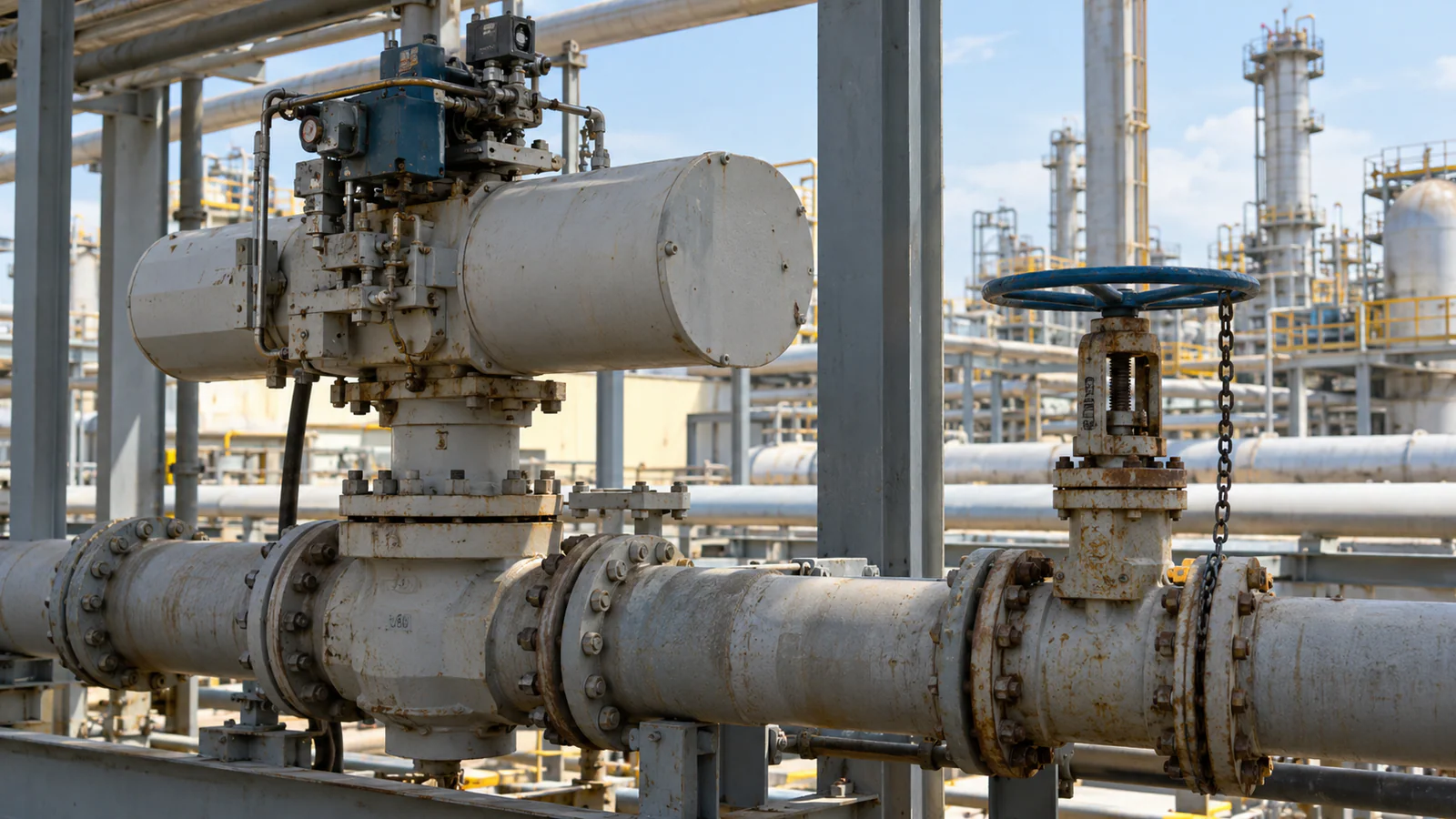
A pre-loss survey in this sector looks for the deterioration an investigation would otherwise find only after a loss of containment. Corrosion under insulation surveys, using guided wave testing or targeted insulation removal, find wall loss before it becomes a leak. Pressure relief valve testing confirms protection will operate at its set pressure. A tag alone proves nothing. Hazardous area classification is reviewed against how the site actually operates today, not the drawing from commissioning. Fire and gas detection coverage is checked against where a release is most likely to occur. Static bonding on tank filling and transfer systems is tested, not visually assumed to be intact.

The Work in This Sector

We investigate. Lifting and handling equipment integral to a terminal or a processing site, cranes and the grab buckets and rigging that go with them, is investigated on the same mechanical basis as a compressor or a pump. The examination looks at whether the failure began in the structure, the drive, or an overload. Cable joints on gas-insulated switchgear, and the cathodic protection and rectifier equipment protecting buried pipelines and tank foundations, are investigated as part of the same electrical discipline applied to the site's static plant. Where a pipeline is struck by third-party excavation, the investigation establishes the external event with the same rigour applied to an internal failure.

We assess. Fire or contamination reaching a site's general infrastructure, offices, control rooms and furnishings alongside the process plant itself, is assessed as part of the same engagement, so a site is not coordinating separate contractors for the plant and the building around it. Cargo contaminated in transfer or shipment, whether by moisture or a process chemical, is assessed against the specification it was meant to meet.

We restore. Contaminated process and electrical equipment is decontaminated using targeted chemical cleaning and corrosion stabilisation rather than blanket replacement, with testing establishing what residue remains before a return to service is recommended. Cranes, pumps and rotating equipment recovered from an incident are restored where testing supports it, following the same decontaminate, test and requalify sequence used across the site.

We survey before a loss. A pre-loss survey extends beyond the corrosion, relief valve and hazardous area work already described to the cathodic protection guarding buried pipelines, and to the lifting equipment a terminal depends on daily. Reviewing this equipment before it fails follows the same method used to investigate it afterward, applied while the evidence is still whole.

What Decides These Cases

Identifying the ignition source in a vapour cloud event. A vapour cloud can travel some distance before finding an ignition point. The source rarely sits where the cloud originated. That gap matters. Establishing which item of equipment, or which activity, actually ignited it is usually the determining question.

Whether corrosion was gradual and foreseeable or the product of a specific event. This distinction matters directly to coverage. Gradual deterioration and a sudden event are frequently treated differently under a policy. Wall thickness history, inspection records and metallurgical examination of the failed section usually settle it.

Whether equipment in a classified hazardous area was correctly rated and maintained. The certification often tells the story. Where ignition traces to a specific item of equipment, its certification, installation and maintenance history against the zone it sat in often decide whether the failure was a design question or a maintenance one.

Common questions

Working in oil, gas and petrochemical

24/7 response

A loss in oil, gas and petrochemical?

Tell us what failed. You will get an engineer who has seen it in this sector, not a general enquiry form.