
Approved Group International
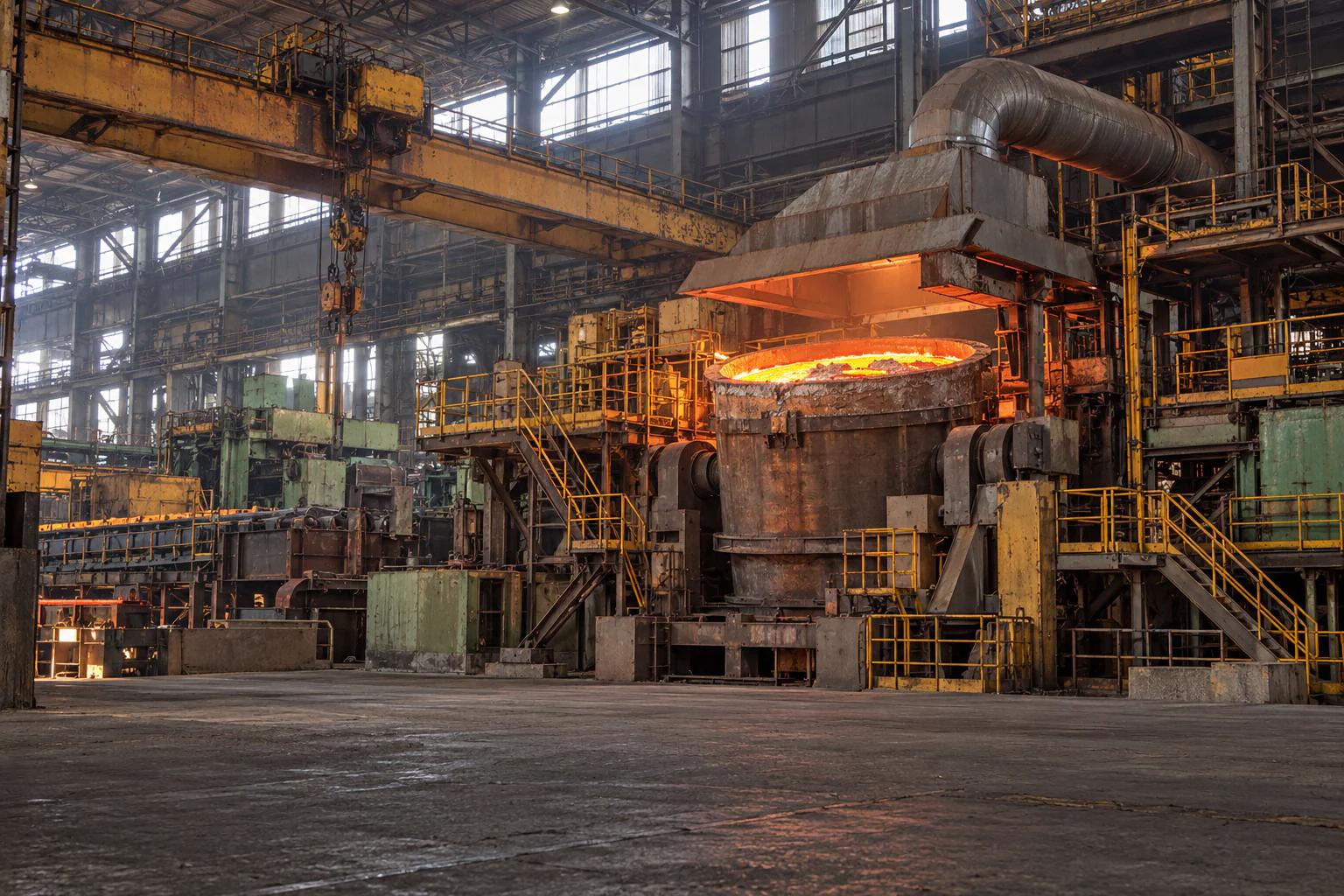
Steel mill interior with the orange glow of molten metal beneath an overhead crane

Manufacturing

Steel, Metals and Cement

AGI investigates, assesses and restores loss across rolling mills, furnaces, foundries, galvanising lines and cement production.

Manufacturing

What we are called to in steel, metals and cement

Fire, failure investigation, damage assessment, restoration and risk assessment for steel, metals and cement operations, by the engineers who investigate the losses.

  • Manufacturing: what fails and why

What Fails in Steel, Metals and Cement

Failure here concentrates around a small number of processes that run continuously, under extreme load or extreme heat, for years at a time.

Furnaces, kilns and thermal process plant. Refractory failure, shell breach, burner or combustion control faults. All of it is difficult to inspect thoroughly without a planned shutdown.

Rolling mills and casting. Roll and bearing failure under cyclic load. Hydraulic system fires. Mould or ladle failure in casting operations, where a breakout releases molten metal into the working area.

Foundries and galvanising. Furnace and holding pot failures. Fires or explosions from moisture contact with molten metal. It is a hazard specific to this process, and frequently underestimated.

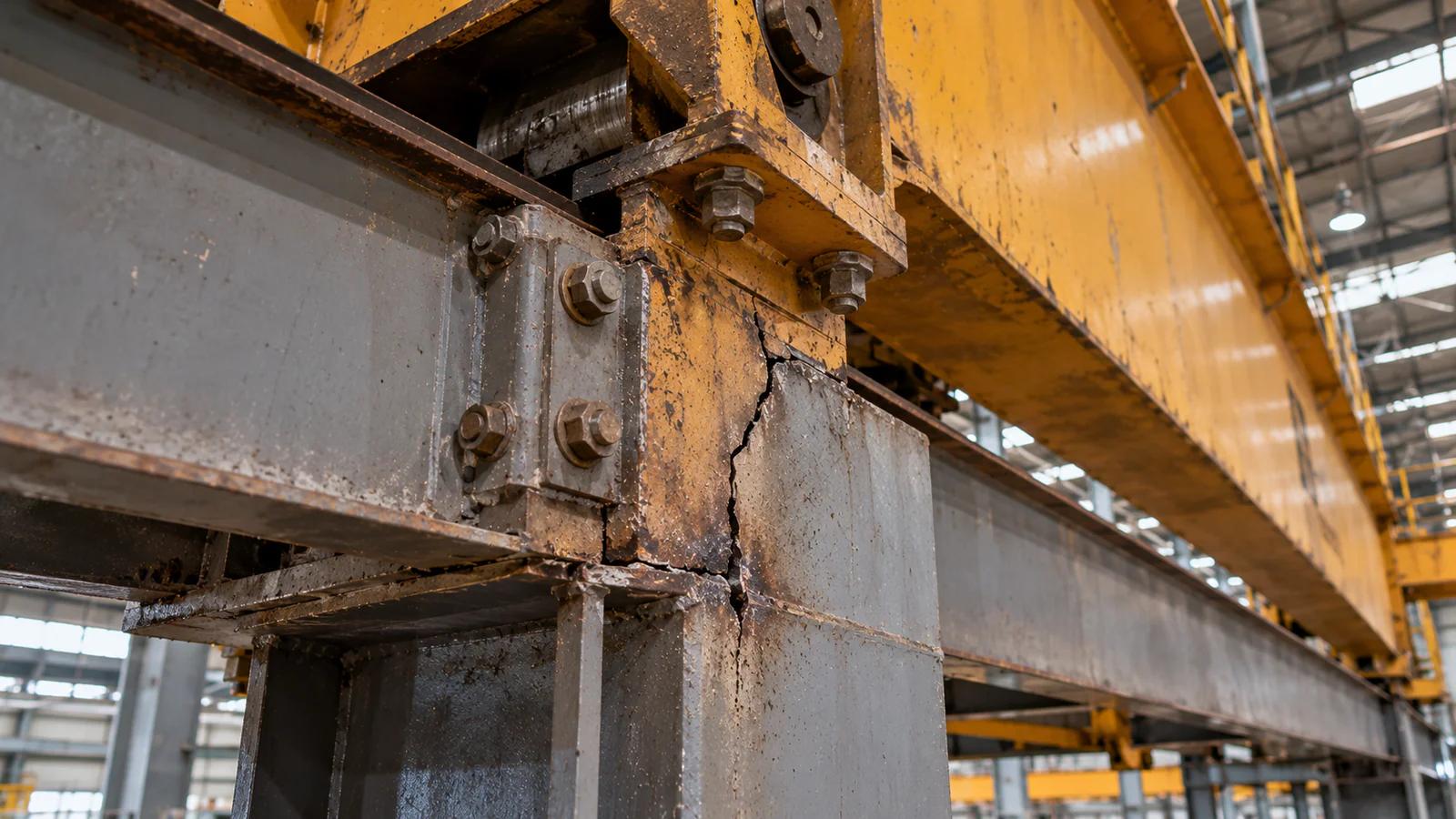
Cranes and material handling. Structural fatigue in runway beams and crane structures under repeated heavy lifting, and mechanical failure of hoisting equipment carrying loads with little tolerance for error.

Heavy electrical distribution. Switchgear and busduct failure feeds motors and drives. They draw current far beyond what a commercial building's electrical system is designed to carry. Lightning and storm damage to control equipment, instrumentation and roof structures is a further recurring cause, distinct from the heat and load failures that dominate the rest of the plant.
Fire and Explosion

Molten metal introduces a hazard that does not exist in most other industrial settings. Contact between molten metal and moisture, even a small amount trapped in scrap, a mould or a ladle, produces a violent steam explosion. It can happen in under a second. There is no warning an operator can react to. Furnace and kiln fires more often begin with a refractory or shell failure that lets flame or hot gas reach combustible material nearby, or with a burner control fault that lets an air-fuel mixture drift outside its safe range.

Heavy electrical distribution failure is a recurring ignition source in its own right. Switchgear and busduct in this sector carry sustained heavy loads through equipment that is often original to the plant. A degraded connection can run hot for months before it fails. We investigate to NFPA 921 for the fire sequence. We apply electrical diagnostics, including sweep frequency response analysis and insulation resistance testing, to distribution equipment implicated in an ignition. The same high temperatures that damage plant also consume evidence. Attendance soon after an incident, before debris is cleared for safety or salvage, is usually the single largest factor in whether a cause can be established at all.

Crane runway beam connection with a fatigue crack in a steel mill building
Plate 01Crane runway beam connection with a fatigue crack in a steel mill building

Failure Investigation

Metallurgy is both the product and the evidence in this sector. That sets it apart from most others we work in. A failed roll, a fractured crane component or a ruptured furnace shell is examined with the same fractography and material analysis used to make the steel or the cement in the first place. The people best placed to interpret that failure understand the metallurgy of the process as well as the mechanics of the failure. Where the evidence does not permit a reliable determination, that limitation is stated.

We apply metallurgical examination, non-destructive testing, and engineering calculation against original design and operating conditions. Where a structural collapse is involved, we assess load history, fatigue and the condition of connections that may have been degrading for years before the failure that finally showed.

Damage Assessment and Restoration

A damage assessment determines the nature and extent of the damage and the appropriate repair, restoration or replacement scope, and restoration begins once the relevant evidence has been documented, preserved or formally released for work. Heavy plant damaged by fire, molten metal contact or structural failure needs assessment before anyone can safely say what is salvageable. A furnace shell or crane structure that looks intact can carry hidden fatigue or heat damage that only becomes apparent under load. An assessment here is as much about what should not yet be returned to service as it is about what can be repaired.

Electrical distribution equipment exposed to heat or contamination is assessed component by component, because a single degraded connection left in service can produce a second incident within months of the first. Restoration is sequenced against production priority, since a single failed process step, a rolling mill stand or a kiln, can idle the entire line around it.

Risk Assessment

A facility risk assessment in this sector examines refractory and shell condition in furnaces and kilns against their inspection history, structural condition of crane runways and support structures under their actual duty cycle, and the loading and thermal condition of heavy electrical distribution equipment that is frequently older than the plant it now serves. We look closely at moisture control around molten metal handling, given the consequence of a steam explosion. And at whether maintenance intervals reflect the equipment's real operating hours, rather than a generic schedule.

The Work in This Sector

We investigate. Furnace, kiln and induction heating failures, from refractory and shell breach to burner and combustion control faults, and the galvanising kettles, holding pots and spray dryers that carry the same thermal risk. Electrical failures in switchgear, busduct and transformers, including flashover and connection failures feeding heavy motors and drives, and structural failures in silos, crane gantries, kiln structures and roof steel under repeated heavy load. Metallurgical and welded-connection failures, cooling-water pipe corrosion, and dust explosions in bag-house and dust collection systems all fall within the same practice. Lightning and storm damage to control and electrical equipment is examined to the same standard.

We assess. Whether fire or molten metal contact caused the damage found on a furnace or on machinery nearby, and what a flood has done to heavy plant, from a furnace shell to mobile handling equipment, before it returns to service. Corrosion, dealloying, stress-corrosion cracking and hydrogen-induced cracking in metal components are assessed against the process conditions that produced them, and cement and steel structures are assessed for hidden fatigue or heat damage that only becomes apparent under load.

We restore. Machinery contaminated by flood or process fluid can be decontaminated, dried and returned to service component by component, since a single degraded connection left in place can produce a second incident within months of the first. Electrical distribution equipment exposed to heat or contamination is restored or replaced on the same evidence basis, rather than assumed safe because it still runs.

We survey before a loss. Refractory and shell condition measured against inspection history, crane and structural steel condition measured against actual duty cycle, and switchgear, busduct and transformer loading and thermal condition checked through methods including thermography and non-destructive testing. Moisture control around molten metal handling, and maintenance intervals checked against real operating hours rather than a generic schedule.

What Decides These Cases

Metallurgical evidence usually decides these cases, more directly than in most other sectors. The failed component and the process product are made of the same material, and often fail for related reasons.

Whether refractory or shell inspection was current at the time of a furnace or kiln failure. That typically separates a maintenance failure from a design or manufacturing one.

Load and fatigue history on cranes. And on structural steel. It decides whether a structural failure was sudden and unforeseeable, or had been developing, visibly, for longer than anyone acted on.

And in electrical distribution failures, connection condition and thermal history usually determine whether the fault was foreseeable through routine inspection.

Common questions

Working in steel, metals and cement

24/7 response

A loss in steel, metals and cement?

Tell us what failed. You will get an engineer who has seen it in this sector, not a general enquiry form.