ArticleForensic Investigation
Incendiary Fire
A fire was reported to have occurred within a premise in Indonesia. The incident was initially noticed by security personnel of the industrial area who then…
By AGI Team3 min read
Read the article
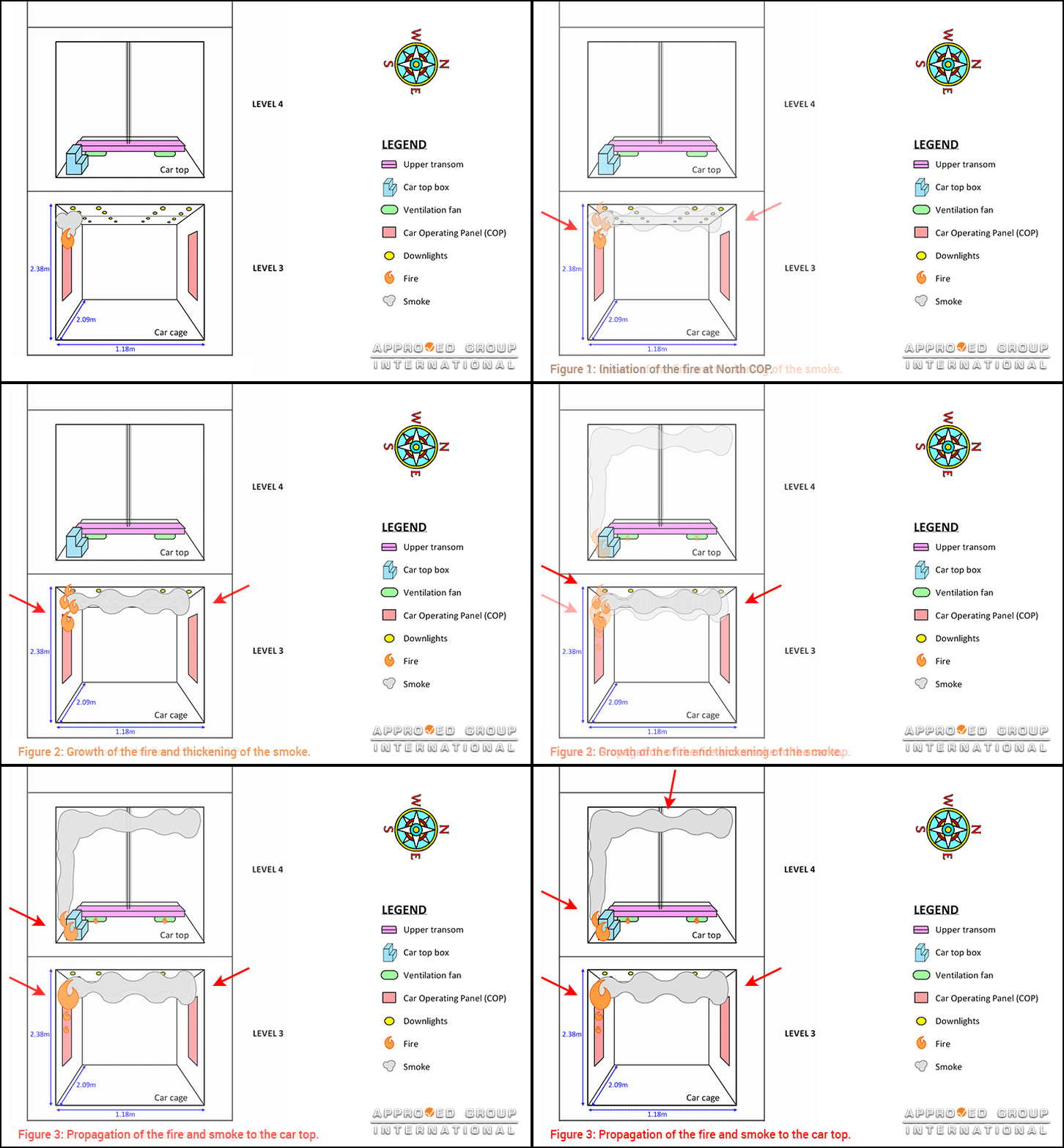
A fire was reported to have commenced within a lift at a residential flat. The first eyewitness discovered the lift stationary at Level 3 with the lift doors…
A fire was reported to have commenced within a lift at a residential flat. The first eyewitness discovered the lift stationary at Level 3 with the lift doors ajar. The fire was observed around the Car Operating Panel (COP) within the car cage of the lift. Subsequently, it was found that there was also fire on the car top. The fire was quickly extinguished by the earliest eyewitnesses. The Fire and Rescue Department (FRD) operation team had arrived fifteen (15) minutes later to inspect the condition. The Team was engaged to determine the origin and possible cause(s) of the fire. The damaged fire-affected lift was examined and documented via photography. Statements were recorded from the earliest eyewitnesses to gather information regarding the circumstances of the fire.
There were no indications of the fire to have commenced due to a lightning strike, hot works, smoking materials, mechanical failure, and electrical failure.
Based on the physical evidence gathered during the on-site investigation, damage analysis and scientific interpretation, witnesses account, and through the process of elimination, the fire was initiated due to human involvement at the area of fire origin. All other possible causes of fire (natural and accidental) had been ruled out.
Keep reading
ArticleForensic Investigation
A fire was reported to have occurred within a premise in Indonesia. The incident was initially noticed by security personnel of the industrial area who then…

ArticleForensic Investigation
A discipline in forensic sciences which concerns in evaluating documents which are disputed in the legal system. The main goal of forensic questioned document…
ArticleForensic Investigation
The Vehicle Identification Number (hereinafter referred to as VIN) is the identifying code for a specific vehicle comprising of 17 alphanumeric characters…
24/7 response
Send us the detail and we will tell you what a proper investigation would need to establish.