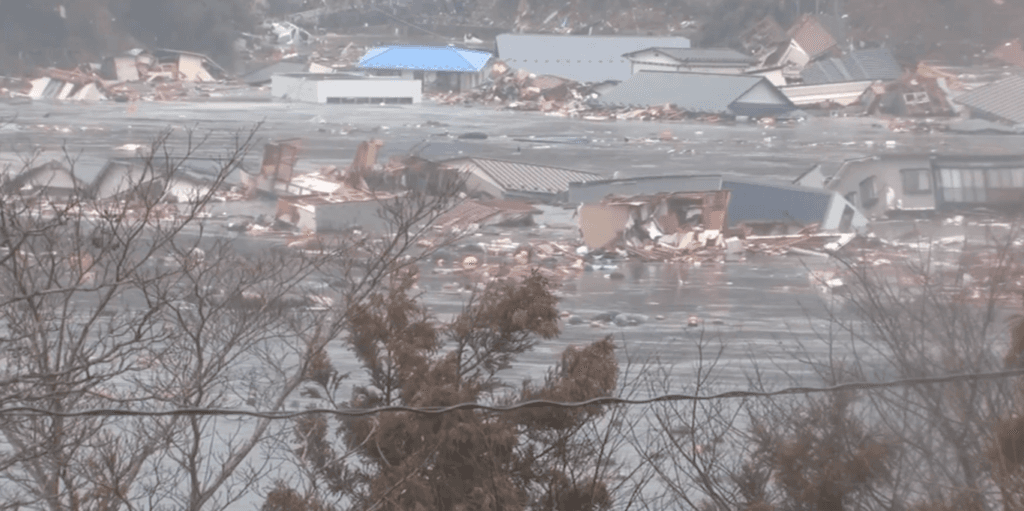
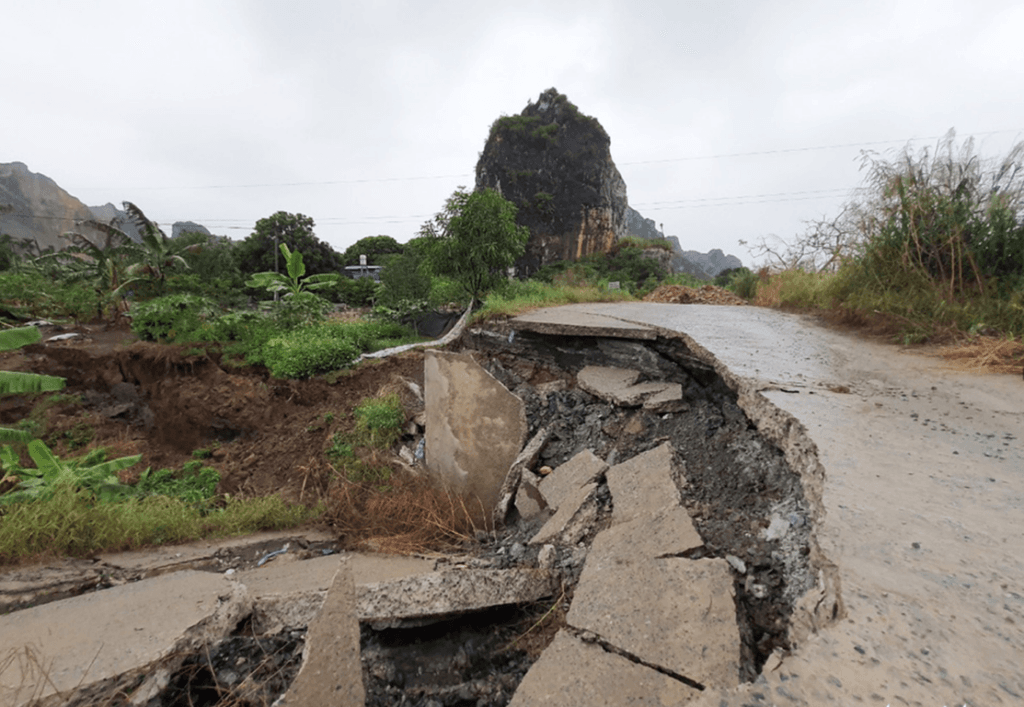
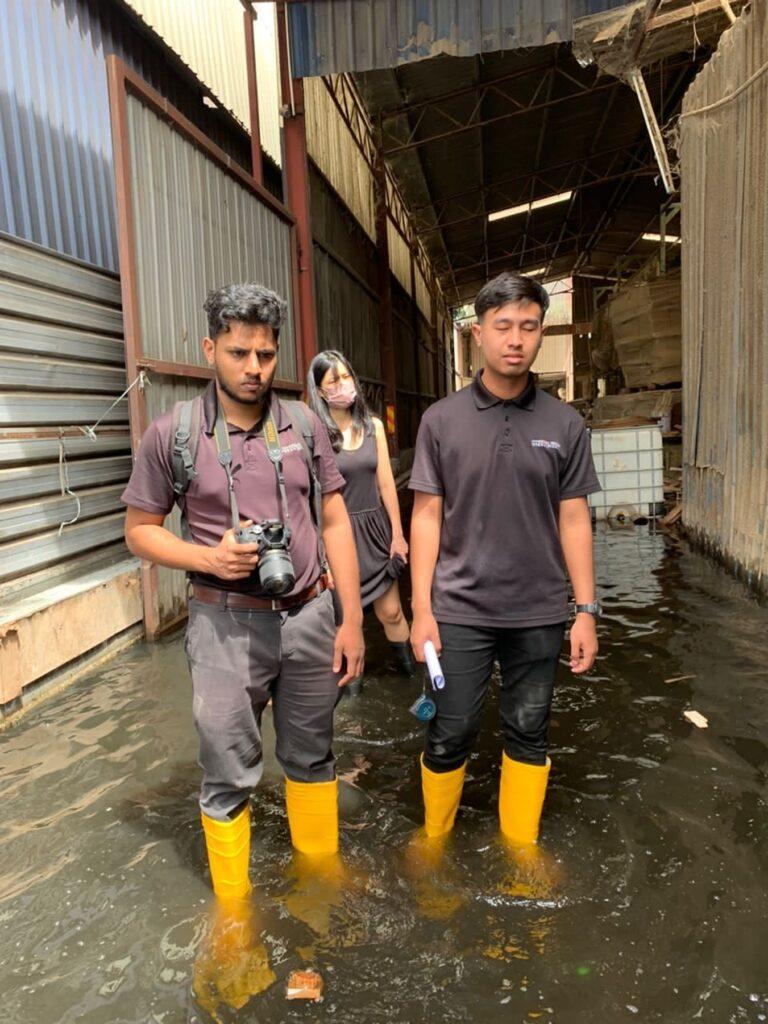
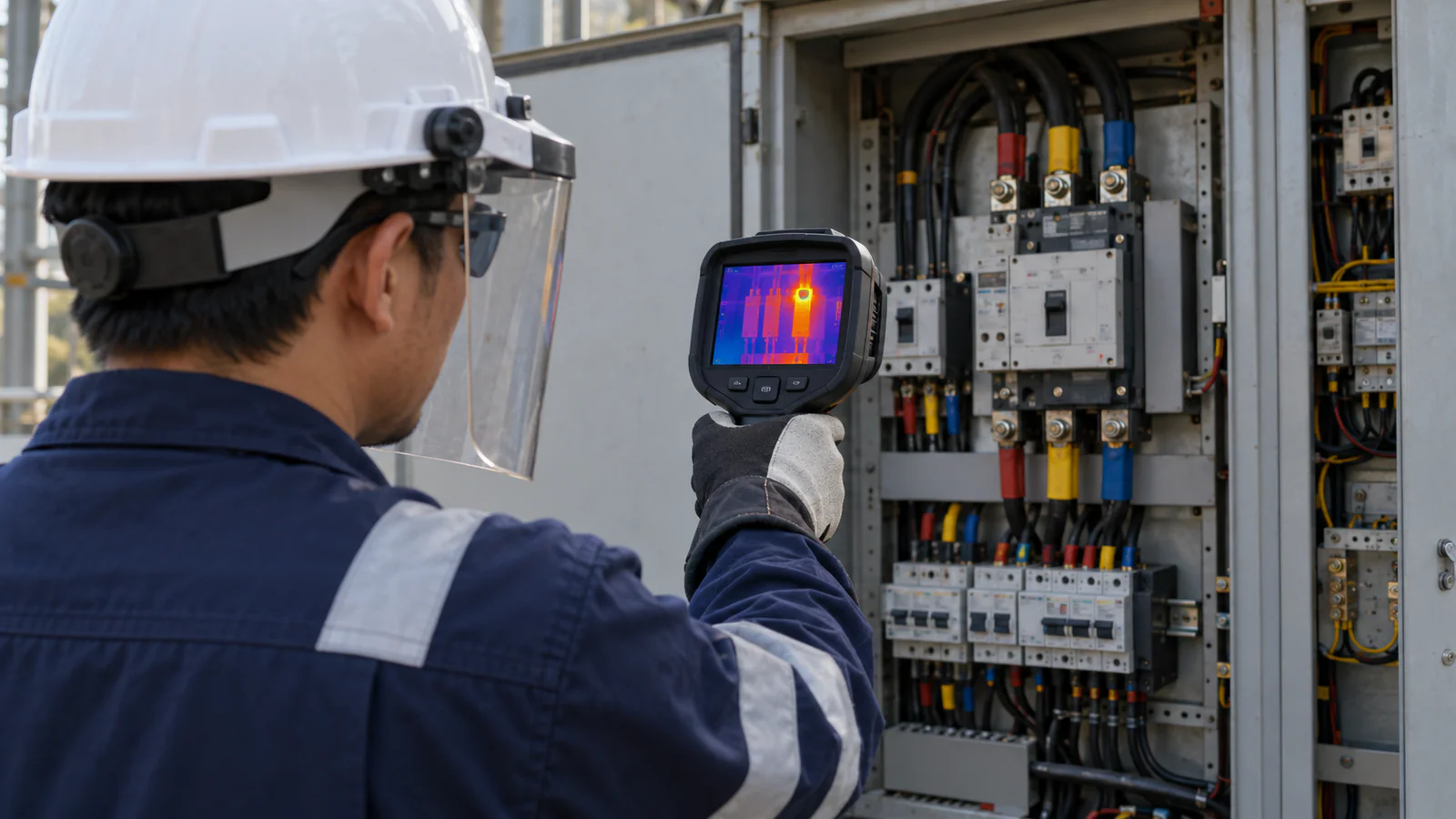
In an era where climate change is no longer a distant threat but a present reality, the importance of resilient infrastructure has never been more pronounced. As extreme weather events become more frequent and intense, the structures we live and work in must be designed not just for the present, but for a future that promises unprecedented challenges. Enter the realm of structural engineering – a discipline that stands at the forefront of creating a resilient world.
The Changing Landscape of Structural Engineering
Traditionally, structural engineering focused on ensuring buildings and infrastructure could withstand expected loads and stresses. However, with the increasing unpredictability of climate events, the goalposts have shifted. Now, it’s not just about withstanding known challenges but anticipating and preparing for new ones.
Rising sea levels, fiercer hurricanes, more frequent floods, and extended droughts are reshaping the way we think about infrastructure. It’s no longer enough for a building to be ‘strong’; it must also be adaptable, flexible, and resilient.
Why Climate Resilience Matters
Economic Implications: The economic cost of climate-related disasters is staggering. According to data from the last decade, global losses from extreme weather events amounted to billions annually. Investing in resilient infrastructure now can save significantly more in disaster recovery later.
Safety and Security: Beyond the economic aspect, there’s the invaluable human element. Resilient structures reduce the risk of injury or death during extreme weather events, ensuring communities can recover more rapidly post-disaster.
Sustainability: Resilient structures often incorporate sustainable materials and practices. This not only reduces their carbon footprint but also ensures they are better equipped to handle the challenges of a changing climate.
AGI: Pioneering a Resilient Future
While AGI is venturing into this domain, the potential to make a significant impact is vast. By leveraging its expertise across various services, AGI is uniquely positioned to offer holistic solutions that address not just structural resilience but also environmental and economic sustainability.
Best Practices in Climate Resilient Structural Engineering
Risk Assessment: Before designing or retrofitting a structure, it’s crucial to assess the specific climate risks of the location. This includes studying historical climate data and future projections.
Innovative Materials: The use of advanced materials, such as high-performance concrete, corrosion-resistant metals, and composites, can enhance a structure’s durability and longevity.
Flexible Design: Instead of rigid structures, the focus is shifting towards designs that can adapt. For instance, buildings that can be easily retrofitted or modular structures that can be adjusted based on changing needs.
Nature-Based Solutions: Incorporating natural elements, like mangroves or wetlands, can act as buffers against flooding or coastal erosion. These solutions not only enhance resilience but also offer ecological benefits.
The Road Ahead
As AGI embarks on this journey of integrating climate resilience into its offerings, the opportunities are immense. By collaborating with stakeholders, staying abreast of the latest research, and continuously innovating, AGI can set new industry benchmarks. In a world where change is the only constant, resilience is our best defence. And in this endeavour, structural engineering is not just a technical discipline but a beacon of hope for a safer, more sustainable future.