
Approved Group International
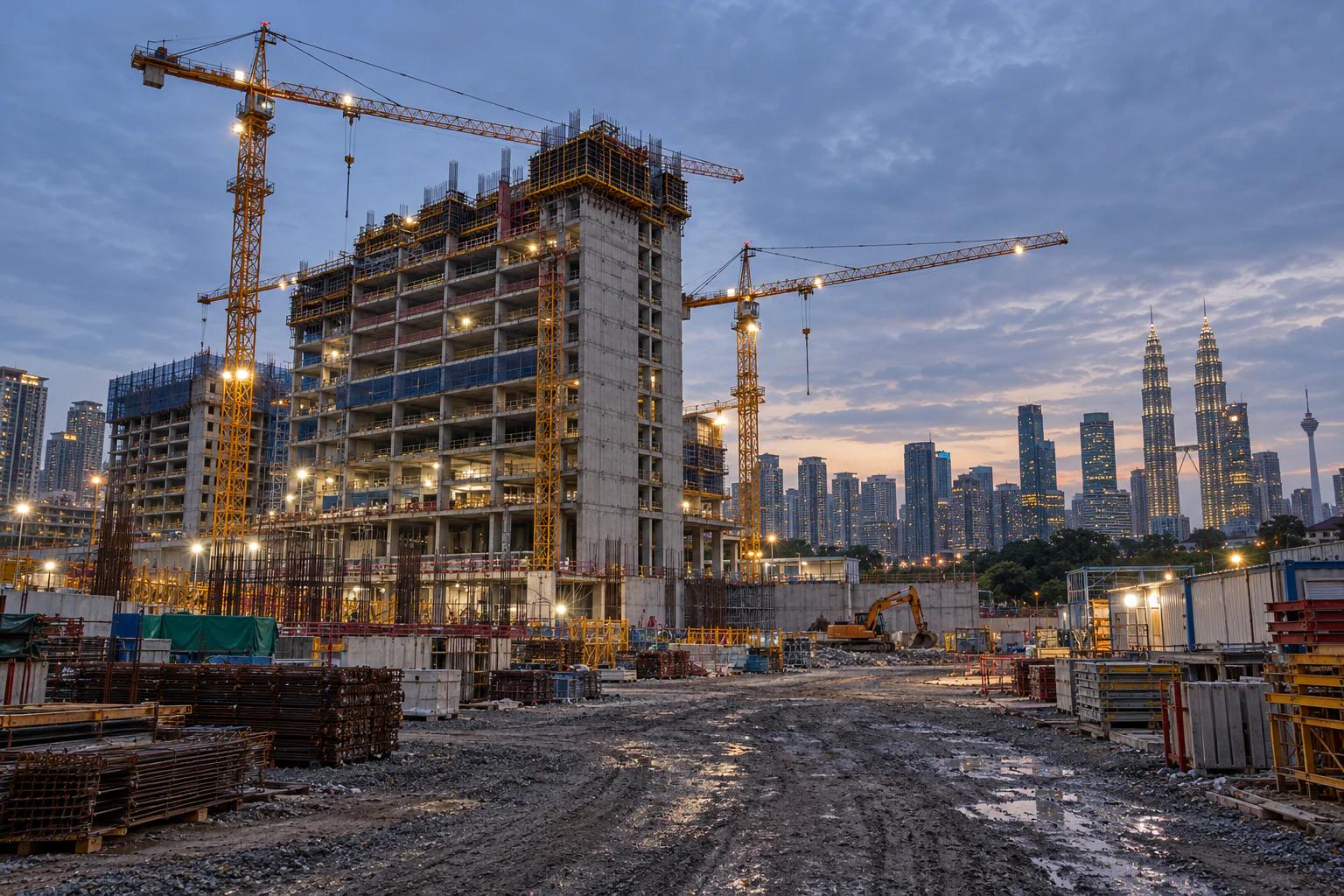
Construction site at dusk with tower cranes around a rising high-rise, the Kuala Lumpur skyline behind

Infrastructure

Construction and Infrastructure Projects

Approved Group International investigates failure, assesses damage and reviews risk on projects under construction. The work covers buildings and structures being erected, the plant and temporary works supporting them, and the civil infrastructure built alongside.

Infrastructure

What we are called to in construction and infrastructure projects

Investigation, damage assessment, restoration and risk assessment on projects under construction: collapse, crane and lifting incidents, fire, flood and defects.

All services

What Fails in Construction and Infrastructure Projects

Water reaches more of what is lost on a site than fire does. Waterproofing is often incomplete. Floor slabs sit exposed. Risers are open to weather before the envelope closes. Stored materials, installed plant and trade work can all be affected before anyone finds the source. Lightning follows a similar path. It reaches site offices, fitted lift installations and the control systems on mobile plant, through power more exposed than a completed building's protection system.

Lifting incidents form their own recurring category. A tower crane failure can originate in the slewing ring, the jib, the counterjib, or the hoisting motor and its drive. Overturning by a mobile or crawler crane raises a separate question, about ground bearing capacity and rigging. Structural collapse during construction is rare. It is disproportionately serious when it occurs. Formwork or falsework failure before concrete has gained strength is one of its more consistent causes. Damage to plant on site, from fire, flood or impact, is a further recurring cluster, separate from the structure itself. Storm and high wind add a smaller but recurring share, particularly to hoardings and signage not yet fixed to their permanent supports.
Fire and Explosion

Fire investigation starts with fact, not design. It examines what was actually present and connected at the time, on the site as it stood. Temporary facilities and site offices are examined alongside permanent services still being commissioned. Wiring faults and overloaded circuits are joined on site by welding, cutting and hot work carried out near combustible formwork and packaging. Mobile plant, excavators, drilling and boring rigs, is investigated for fire origin using the same method applied to any self-propelled machine. Where a suppression or gas discharge system has activated, whether that was a genuine response to fire is often a separate question. Explosion on site is uncommon. Where it occurs, it is usually associated with fuel storage, compressed gas or a confined space rather than the structure under erection.

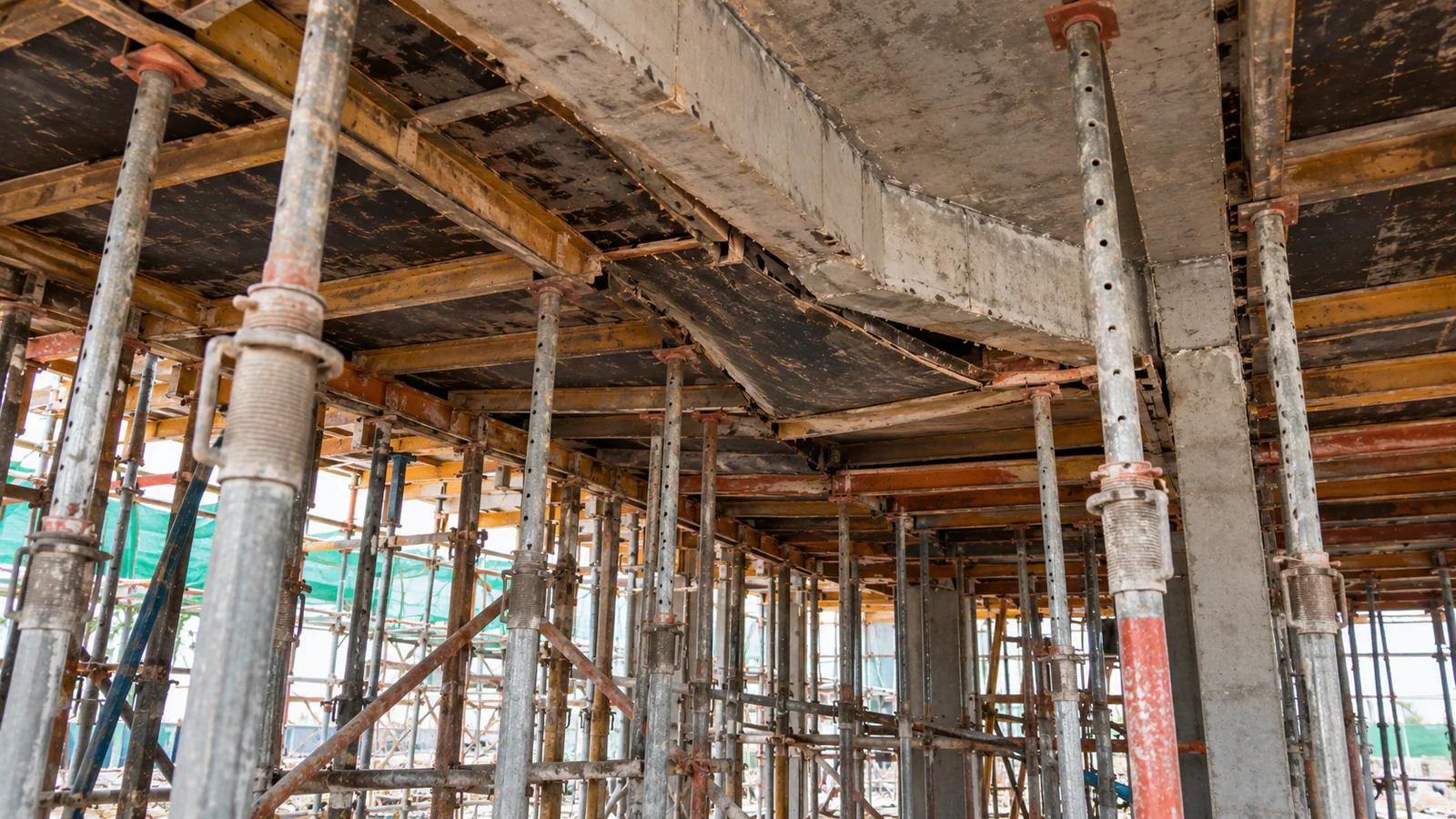
Falsework props and formwork beneath a sagging concrete slab on a construction site
Plate 01Falsework props and formwork beneath a sagging concrete slab on a construction site

Failure Investigation

Crane and lifting plant failure investigation covers the crane's structure, its slewing ring, jib, counterjib and mast connections, the hoisting motor, drive and control system, and the rigging used for the lift. The finding usually turns on whether the cause lies in the equipment, its erection or maintenance, or in how the lift was planned and executed. Structural collapse and formwork or falsework failure investigation examines design, erection sequence, propping, and the condition of the concrete when load was applied, and hands over to civil or geotechnical investigation where a collapse originates in the ground rather than the structure. Plant on site, excavators, drilling rigs and compactors, is investigated for mechanical failure on the same basis as any rotating or static equipment. Where the evidence does not permit a reliable determination, that limitation is stated.

Damage Assessment and Restoration

A damage assessment determines the nature and extent of the damage and the appropriate repair, restoration or replacement scope. Restoration begins once the relevant evidence has been documented, preserved or formally released for work. On a live site, the assessment usually covers several categories at once: stored materials, plant, partially completed structural elements and temporary works, each against its own specification rather than a uniform standard. Mobile plant recovered from flooding or fire is assessed functionally, drives, electronics and hydraulics tested against the equipment's specification, rather than judged on appearance. A structural element affected before it reached design strength is assessed against the strength it should have had at the time of the incident. Its finished specification is a different measure. Where recovery would extend the programme materially, a separate account of that schedule impact usually accompanies the technical finding.

Risk Assessment

A site risk assessment reviews the conditions most likely to produce a loss before the project reaches completion. It covers the condition of cranes and lifting plant. It covers the adequacy of temporary electrical installations and site fire prevention. The same review covers the design assumptions behind formwork, falsework and shoring against what is actually being built, and the condition of excavations, slopes and adjacent structures as the programme progresses. Where fire prevention or lifting plant arrangements have not kept pace with a change in the programme, that gap is usually the most consequential finding.

The Work in This Sector

We investigate. Crane and lifting plant failure, from the slewing ring, jib and counterjib to the hoisting motor and its drive. Structural collapse and formwork or falsework failure before material has gained its design strength. Fire origin on site, whether it starts in a welfare area, a piece of mobile plant, or an electrical riser room being commissioned alongside ongoing works. Lightning and surge investigation covers site power, cranes and fitted lift installations. Where a collapse involves an excavation, slope or embankment rather than the structure, the matter is handed to geotechnical or civil failure investigation.

We assess. Damage to stored materials, plant and machinery, and partially completed structural elements, each against its own specification. Mobile plant recovered from flood or fire is assessed functionally rather than by appearance. Where recovery would materially extend the programme, the schedule impact is set out alongside the technical finding.

We restore. Mobile plant, its drives, electronics and hydraulics, is decontaminated and functionally requalified once released from investigation. Partially completed structures and stored materials are dried and stabilised so work can resume without compounding the original damage.

We survey before a loss. Pre-loss review covers the condition of cranes and lifting plant, the adequacy of temporary electrical installations and site fire prevention, and the assumptions behind formwork, falsework and shoring against what is actually being built.

What Decides These Cases

Whether a crane failure originates in the equipment, its erection or maintenance, or in how a lift was planned and rigged, usually decides where responsibility sits between the plant owner, the erector and the contractor. Whether a collapse traces to design, erection sequence, propping or the ground beneath it decides which discipline leads the investigation. Whether damage occurred before or after an element was formally handed over is often the point a contractor and owner dispute turns on. A schedule impact properly attributable to the incident, rather than to programme slippage that predates it, is usually the finding a delay dispute depends on.

Common questions

Working in construction and infrastructure projects

24/7 response

A loss in construction and infrastructure projects?

Tell us what failed. You will get an engineer who has seen it in this sector, not a general enquiry form.