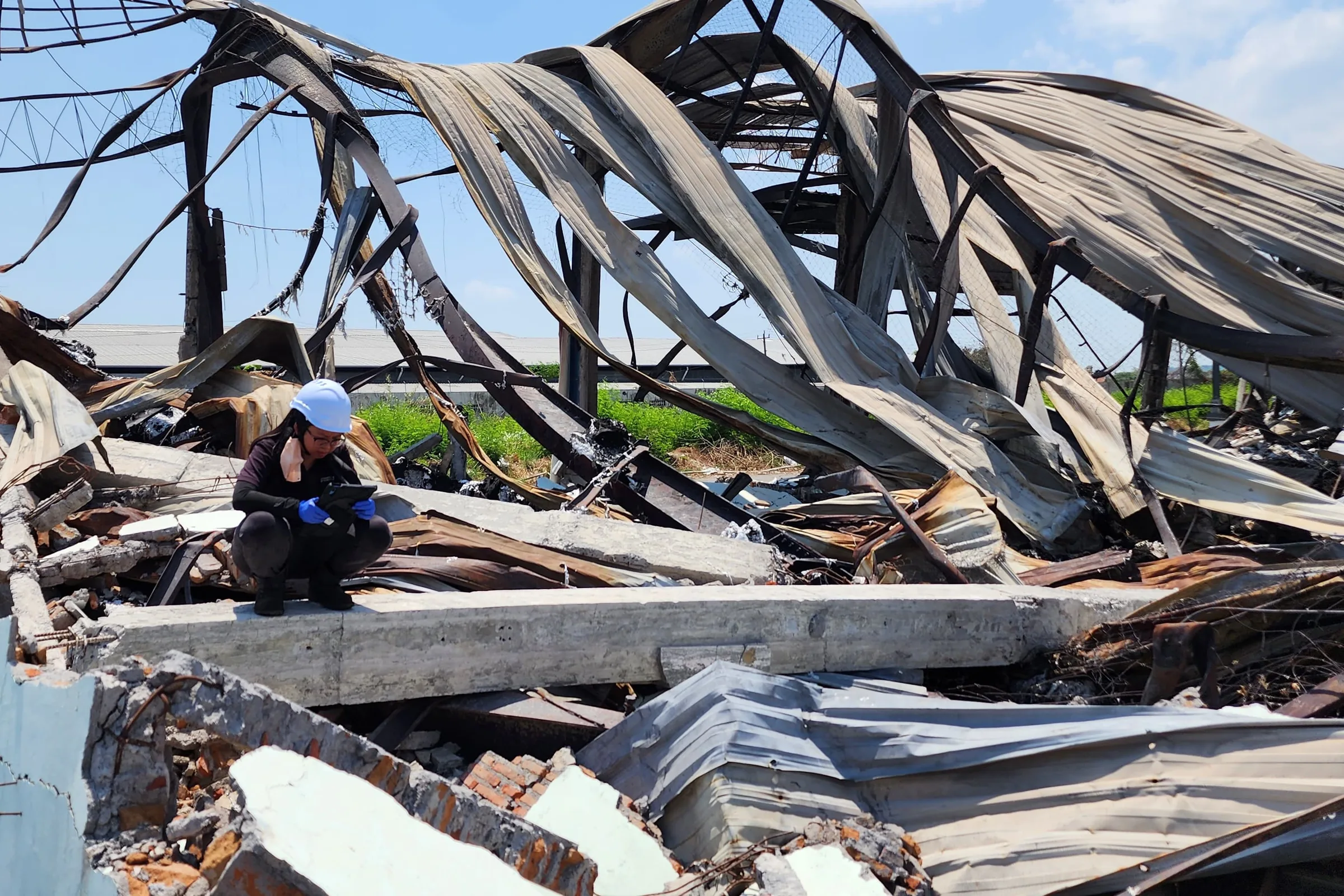
Gas and vapour explosions. Leaked or accumulated gas or process vapour reaching an ignition source within a building, plant room or enclosed space. The leak path is traced as carefully as the point of ignition, since the two together decide where responsibility sits.
Combustible dust explosions. Dust from agricultural, food and process materials deflagrates inside a silo, mill or enclosed handling system when dust concentration, an ignition source and confinement combine. The investigation establishes which of those three elements was actually present, and where, rather than assuming all three from the fact of an explosion.
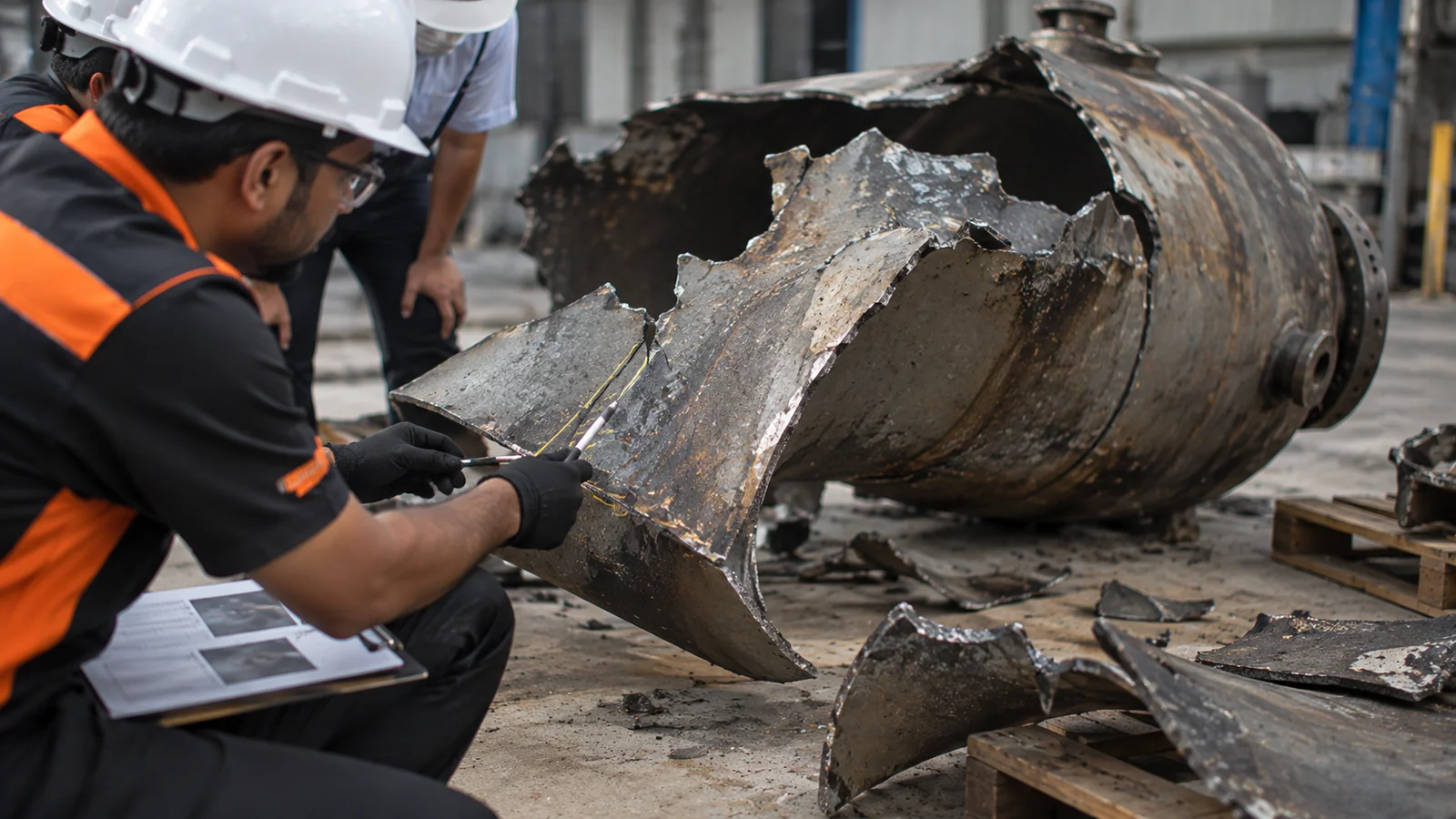
Process and pressure vessel overpressure. Vessels, reactors and process equipment operating outside their design envelope, whether from an upstream supply surge, a control-system fault, or a blocked relief path.
Boiler and steriliser rupture. Steam-raising and process-heating equipment operating under sustained pressure and temperature. A rupture can trace to a mechanical fault in a control component, a blocked line, or a material or weld defect in the vessel itself.
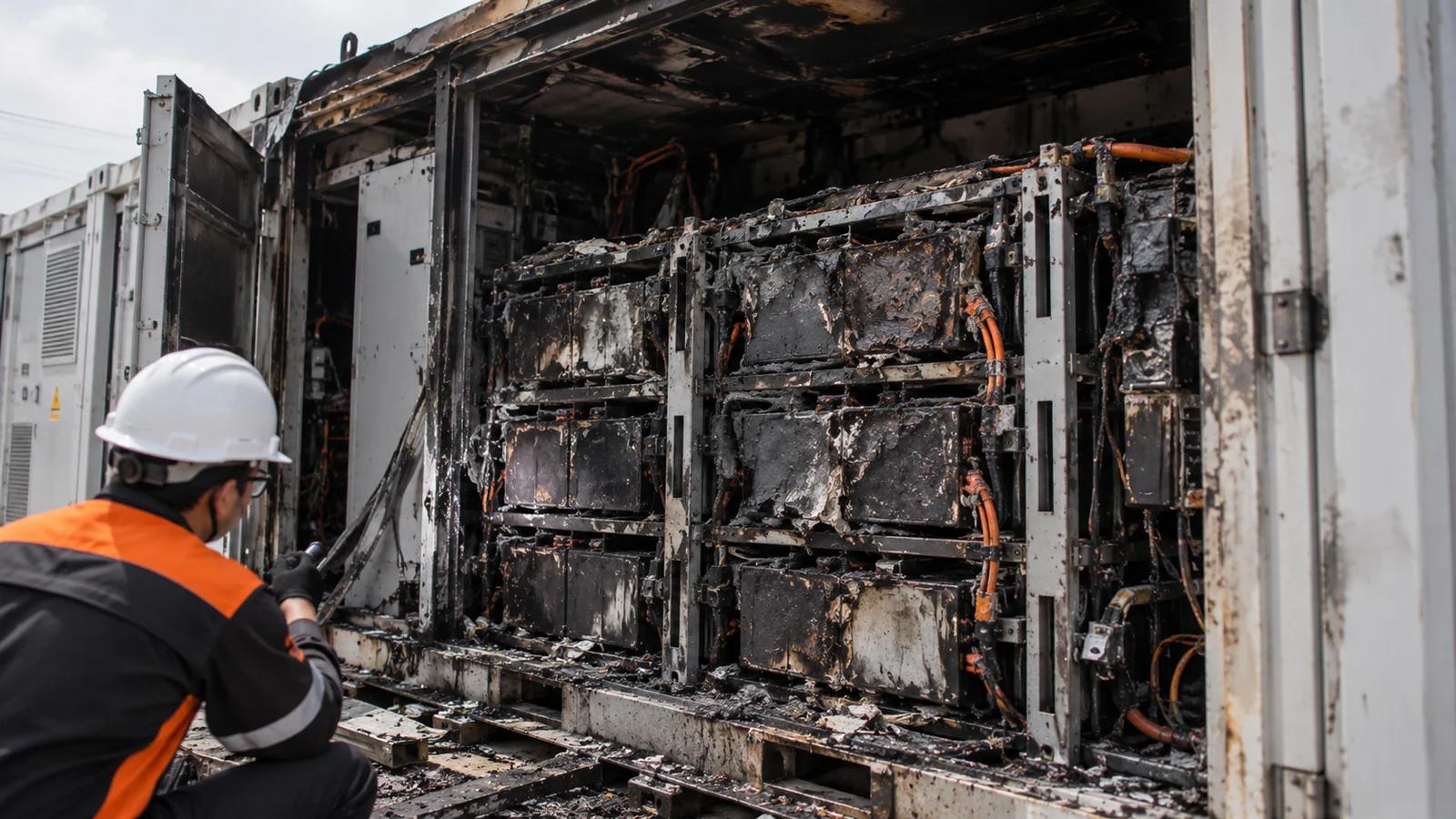
Battery and energy storage. Battery energy storage systems and large battery installations carry a thermal-runaway and off-gas explosion risk distinct from a conventional electrical fault, examined by the same practice that investigates electrical failure more broadly.
Explosion-then-fire versus fire-then-explosion. Whichever event came first shapes where the evidence is found and what it can prove. Sequence is established from the physical evidence, not assumed from which was reported first.