In an afternoon, three (3) alternators for the 3 generators were reported to have failed simultaneously, allegedly due to lightning activity.
·2 min read
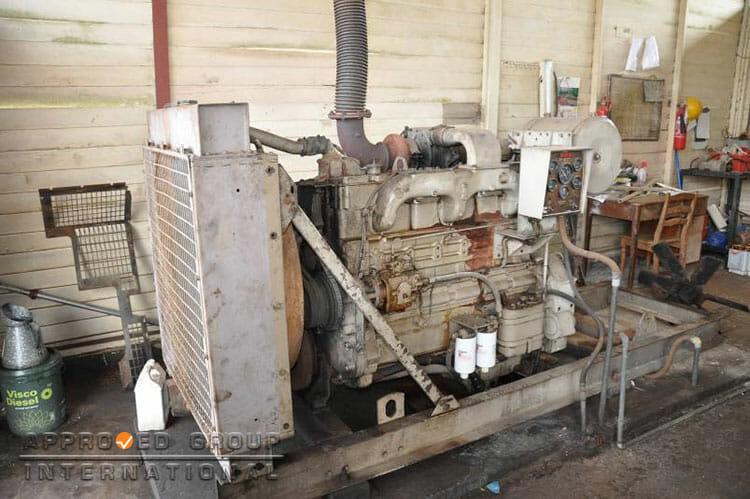
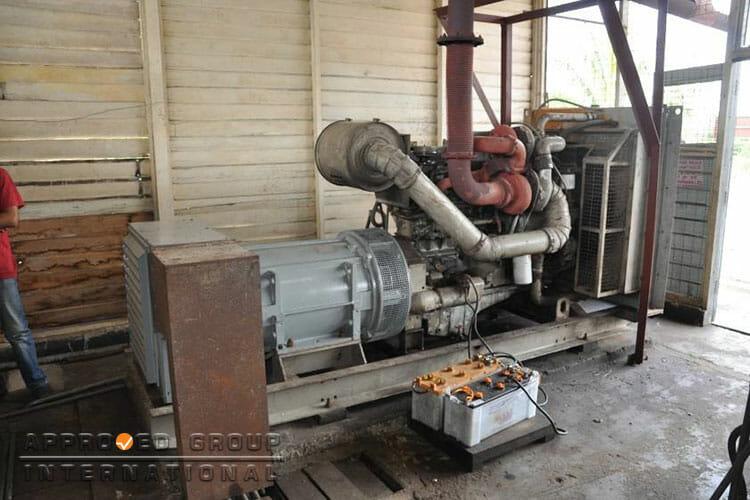
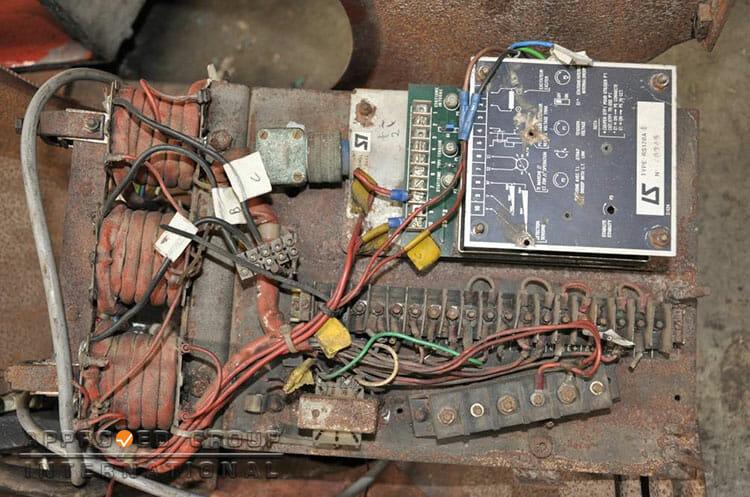
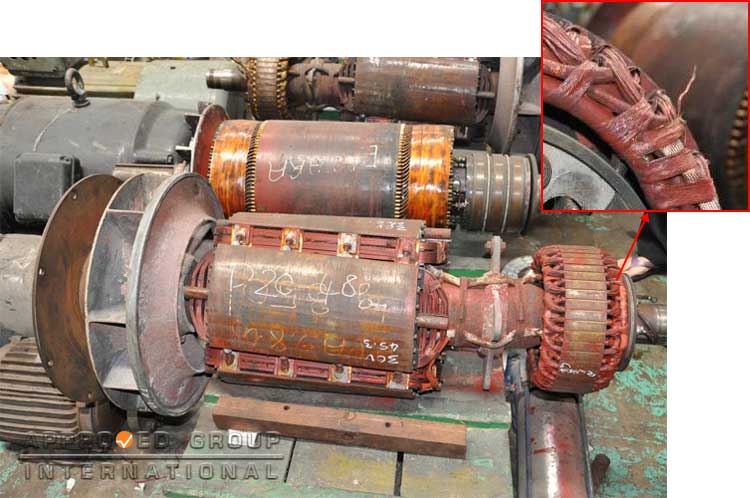
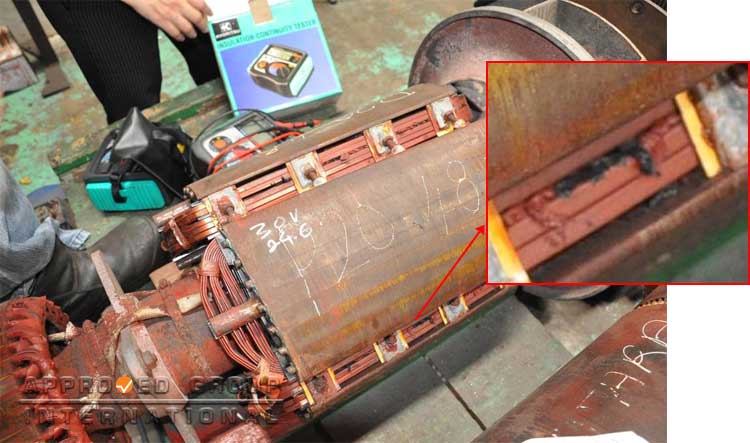
In an afternoon, three (3) alternators for the 3 generators were reported to have failed simultaneously, allegedly due to lightning activity. The reportedly damaged components included the main rotor coil, exciter rotor coil, Automatic Voltage Regulator (AVR), diodes, and bearings. Approved Forensics Sdn Bhd (AFSB) was appointed by the insurers to investigate if the claimed components were indeed damaged by lightning. As the alternators had been sent to the insured’s workshop for repair, the investigation team visited the workshop to inspect the alternators. One (1) alternator had been repaired, whereas the other two (2) were dismantled upon the Team’s arrival at the workshop. The Team first tested the allegedly damaged components for all the three (3) alternators, and found that the AVR and rotating diodes for all the three (3) alternators were damaged, whereas the main rotor coil for one (1) of the alternators and the exciter rotor coil for two (2) of the alternators were faulty.
AVR is sensitive and vulnerable to the current and voltage changes in the circuit. A lightning surge would carry an approximately 30,000A of current which is capable of damaging the AVR. The generated current from the generator is an alternating current (AC) and is converted to direct current (DC) by the diodes prior to being distributed to loads. Any insurgency of current such as a lightning-induced transient would easily damage the diodes that have capacity of 1200V peak reverse voltage and 70A average operating current.
As the AVR functions to regulate the applied field current to the spinning rotor, a defect on the AVR would cause the generated high current to pass through the AVR to the diodes, exciter coil and main rotor coil.
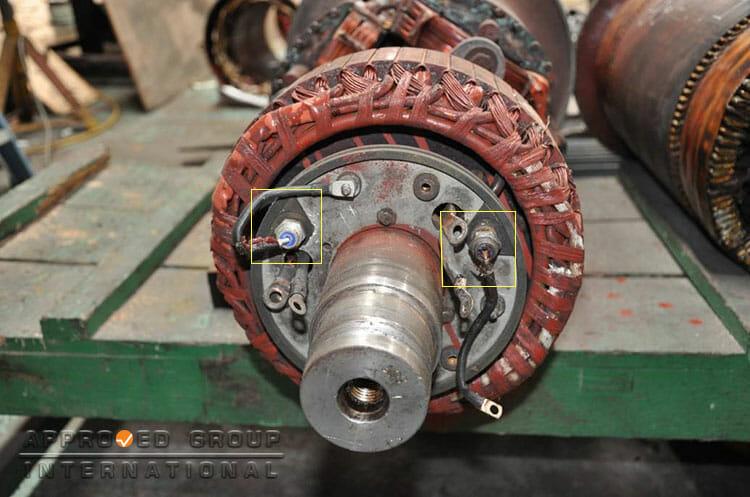
Further examination on the exciter rotor coil and main rotor coil for one (1) of the alternators indicates physical damage due to the high current from the power insurgency. This is evidenced by the broken copper winding wires on exciter rotor coil and the burn mark on main rotor coil.
All the damaged components were connected within a loop which a lightning-induced transient could propagate. Therefore, the investigation team concluded that the faulty components of alternators were damaged due to a lightning-induced transient.
In a morning, a fire was reported to have occurred at one (1) of the production and storage building in the premises of a timber plant in Jakarta, Indonesia.
At about 1740 hours on Sunday, 29 September 2013, a motorcycle (hereinafter referred to as The Motorcycle) driven by Mr. X collided with a motorcar (hereinafter…
The operation for Kiln 3 at a cement plant was stopped at 11.25pm due to red spot (brick failure). Investigation indicates that the air channel pipe was…
By AGI Team··2 min read
Read the article
24/7 response
Does this affect a claim you are handling?
Send us the detail and we will tell you what a proper investigation would need to establish.