
Approved Group International
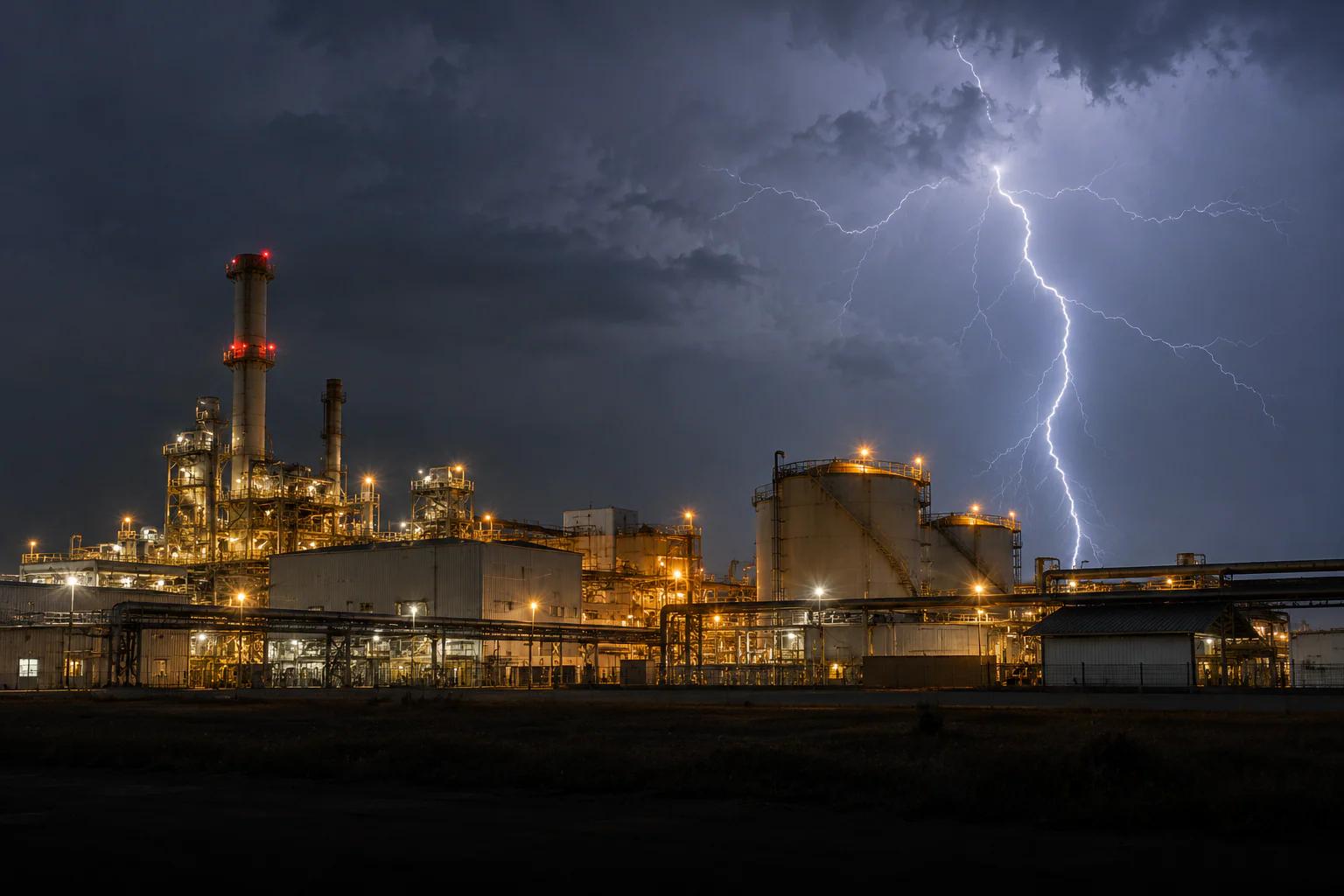
Lightning striking near an industrial plant at night

Forensic Investigation

Lightning Damage Investigation

Lightning damage investigation establishes whether a reported strike explains the damage found on the equipment said to have suffered it.

When to call

  • Equipment has failed during or after a storm, and operations cannot resume until the cause is known.
  • A dispute has opened between a contractor, an equipment vendor and the asset owner.
  • An industrial incident has interrupted a process line during a storm.
  • Before the next storm season.

What you receive

  • Building owners and management corporations instruct this work directly, often before any insurer becomes involved.
  • The engagement produces a component-by-component finding set against the credible-route analysis, the pattern of affected and unaffected…

What Is Lightning Damage Investigation?

It examines a narrower question than a general electrical failure investigation. A general investigation asks what failed and why, considering every plausible mechanism. This one starts from a specific proposition: that lightning or a related surge produced the damage described. A reported lightning event does not, by itself, establish that lightning caused the damage. The investigation instead asks whether a credible route existed for lightning current or an induced surge to reach each affected component, and whether the pattern of affected and unaffected equipment is consistent with that route. Recorded lightning activity, where it exists, is checked against whether a strike falls close enough in time and location to matter. Only once those questions are answered does the finding turn to which components the evidence genuinely attributes to lightning, and which point to something else.
How We Investigate

Secure and record the scene. The condition of every affected component is documented, together with the building's lightning protection system, earthing arrangement and surge protection devices, before anything is moved or repaired.

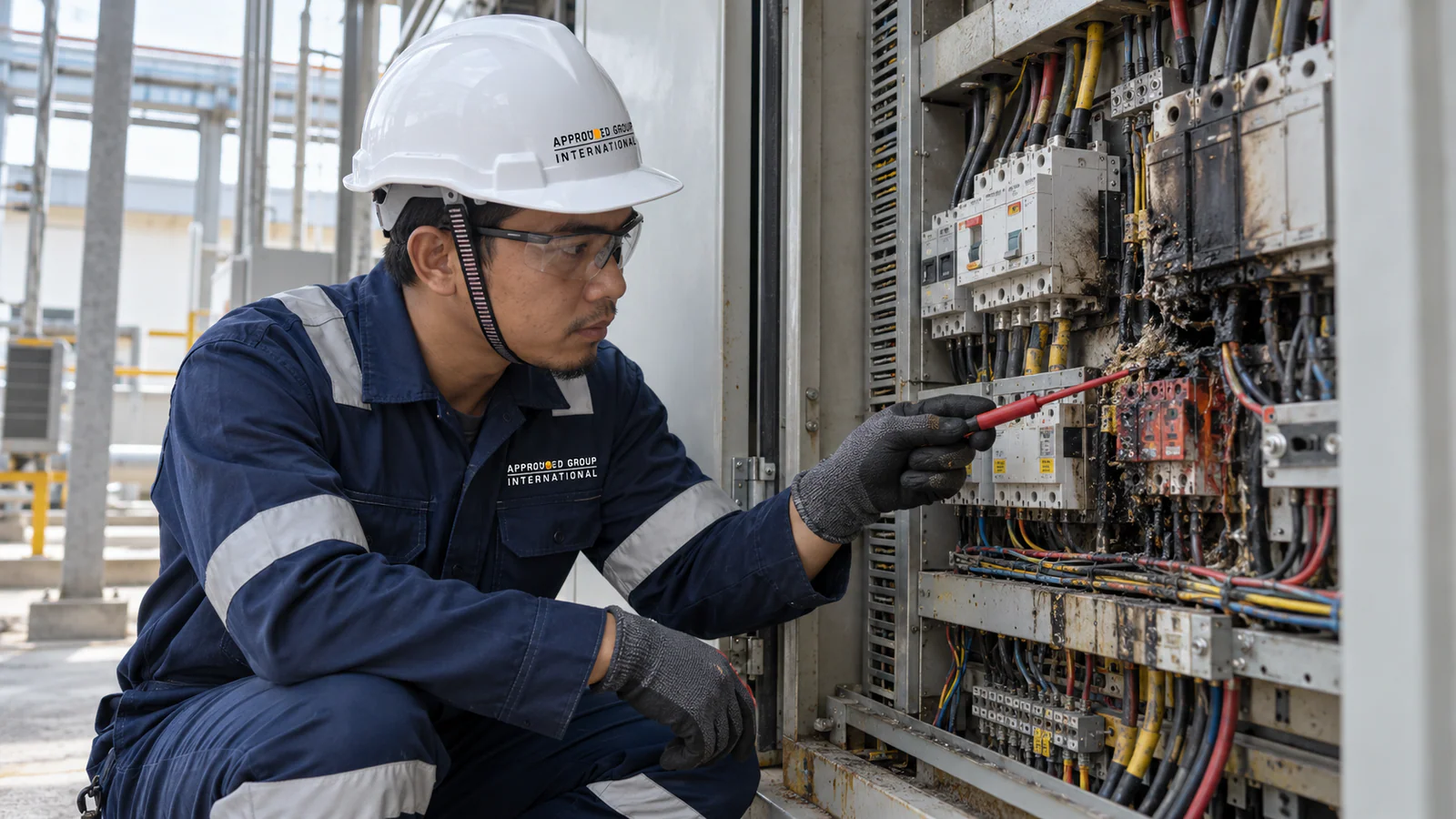
Trace the credible route. The electrical path is examined from the point closest to the reported strike or surge entry through to each affected component, to establish whether current or an induced surge could plausibly have travelled that path.

Read the pattern of affected and unaffected equipment. Which components show damage and which do not, and whether that pattern is consistent with the route traced, is often as informative as the condition of any single item.

Check recorded lightning activity. Where lightning detection network data exists for the site and period, it is obtained and compared against the date, time and location the loss is said to have occurred.

Test consistency. The damage pattern must be consistent with a technically credible surge path. Where it is not, alternative causes, ageing insulation, a supply fault, a prior repair or water ingress among them, are considered.

Examine components where testing is warranted. Boards, relays, inverters and control cards are examined for the signature a surge characteristically leaves, and swap-tested against known-good units where a vendor supports joint testing. Where the evidence permits, the remaining cause or contributing causes are reported; where it does not permit a reliable determination, that limitation is stated.

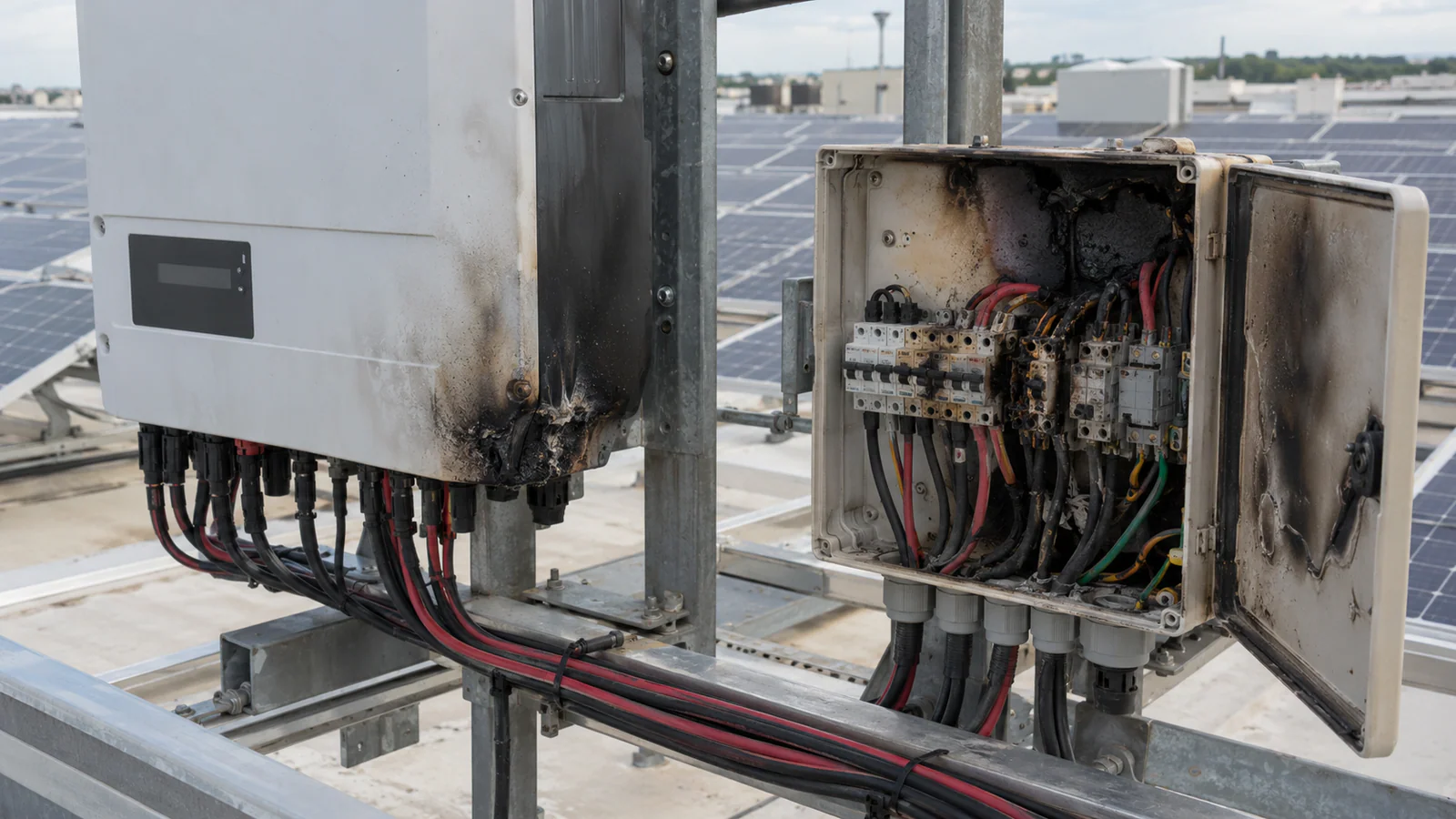
Surge-damaged inverter and combiner box on a rooftop solar installation
Plate 01Surge-damaged inverter and combiner box on a rooftop solar installation

What We Investigate

Lift and escalator controls. Controller panels, inverter drives, motherboards and group cards, typically reported within hours of a storm, while the surrounding evidence is still largely intact.

Solar arrays and inverters. String inverters and combiner-box electronics on rooftop and ground-mount installations, where earthing and surge protection condition often decide whether a nearby strike reached the equipment at all.

Telecommunications towers. Transmission hardware and tower-top electronics, exposed to both a direct strike on the structure and an induced surge carried along feeder or data cabling.

Lightning protection systems and earthing. Air terminals, down-conductors, earthing networks and surge arrestors, assessed for their condition and adequacy against the event described.

Industrial control systems. Programmable controllers, drives and control panels on process plant, where the credible-route analysis usually carries the most weight in the finding.

Plant and vehicles in open yards. Machinery and vehicles left exposed during a storm, examined for direct-strike and induced-surge damage to onboard electronics.

What Decides These Cases

Whether a credible route exists. The path lightning current or an induced surge would need to have taken, from the point of entry to the affected component, either holds together against the electrical layout and the earthing in place, or it does not.

Whether the pattern of damage fits. Equipment affected and equipment untouched on the same installation either forms a pattern consistent with the route traced, or it points somewhere else.

What recorded lightning activity shows, where it exists. Detection network data can place a strike close to the site and time described, place it further away than the account allows, or simply not be available for the period in question.

Whether the alternative explanations hold up. Ageing insulation, a supply-side fault, a prior repair or water ingress can each produce symptoms that resemble surge damage, and each is tested before a lightning finding stands.

AGI engineer tracing wiring in a switchboard during a lightning damage investigation
Plate 02AGI engineer tracing wiring in a switchboard during a lightning damage investigation

Common questions

About lightning damage investigation

The questions that come up before an instruction, answered plainly.

24/7 response

Protect the evidence first

Restrict access, change nothing, and call. Most of what decides a case is still on site in the first few days.

Emergency line open at all hours, across every office.